People with intellectual disability, their support people and health care workers should watch these videos to learn about Millie’s genetic testing journey and informed consent.
Introduction to Millie’s journey
You can click on the picture to jump to each step
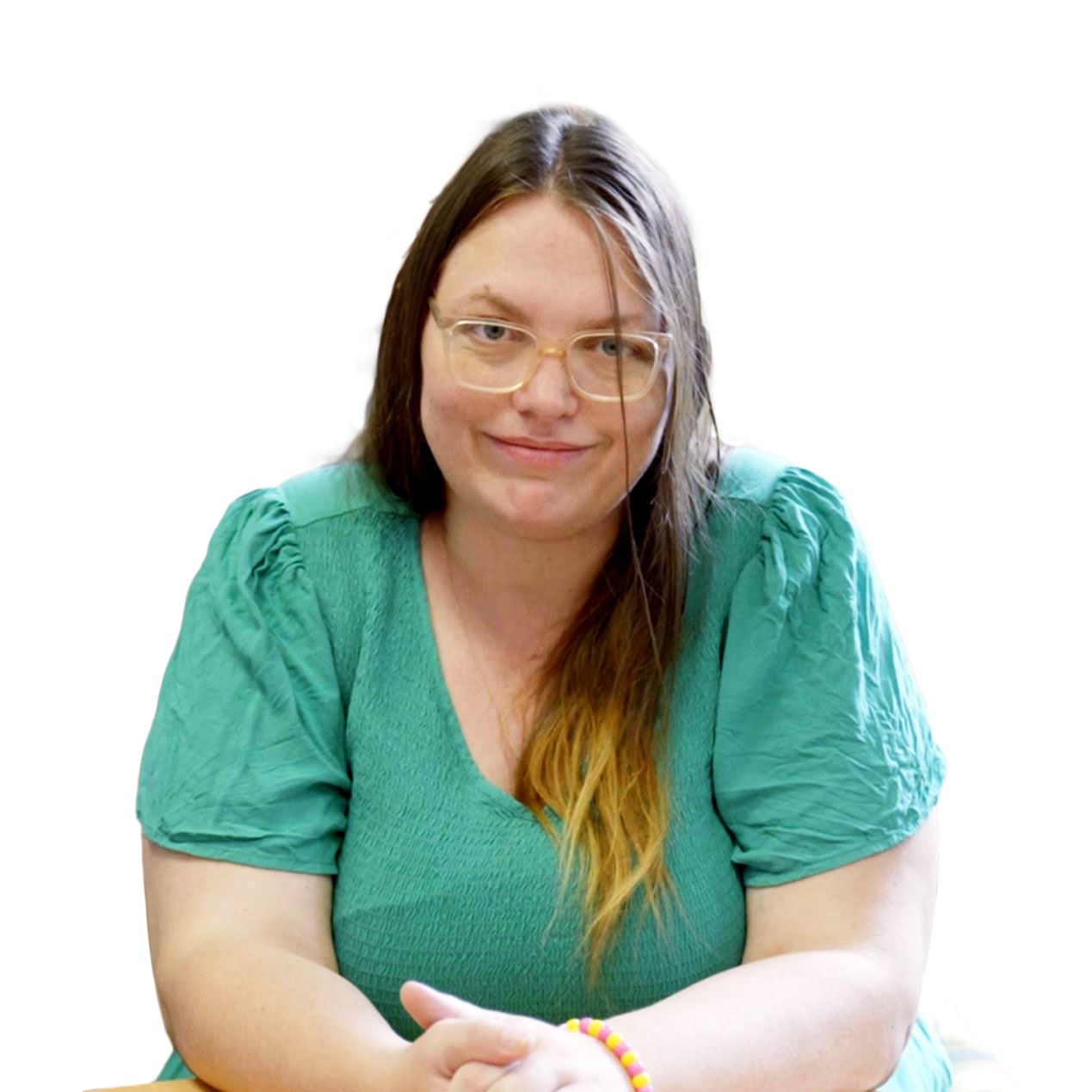
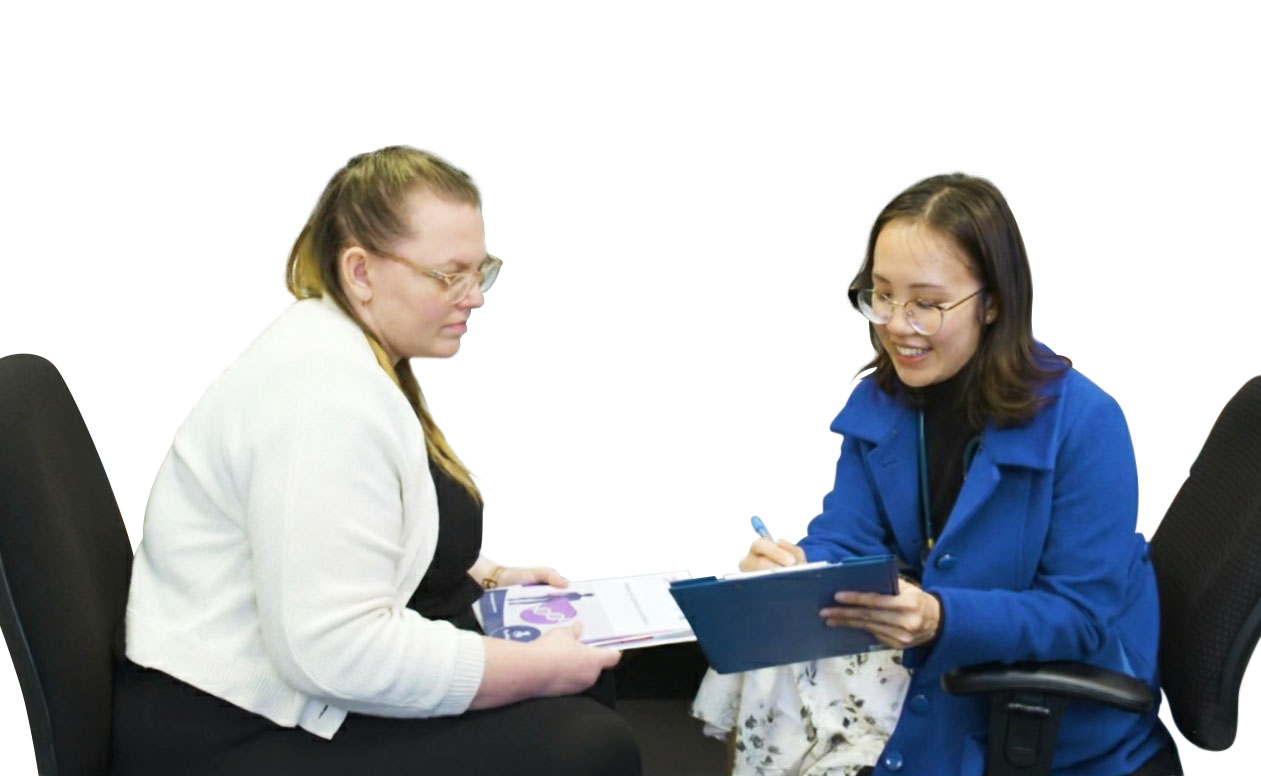
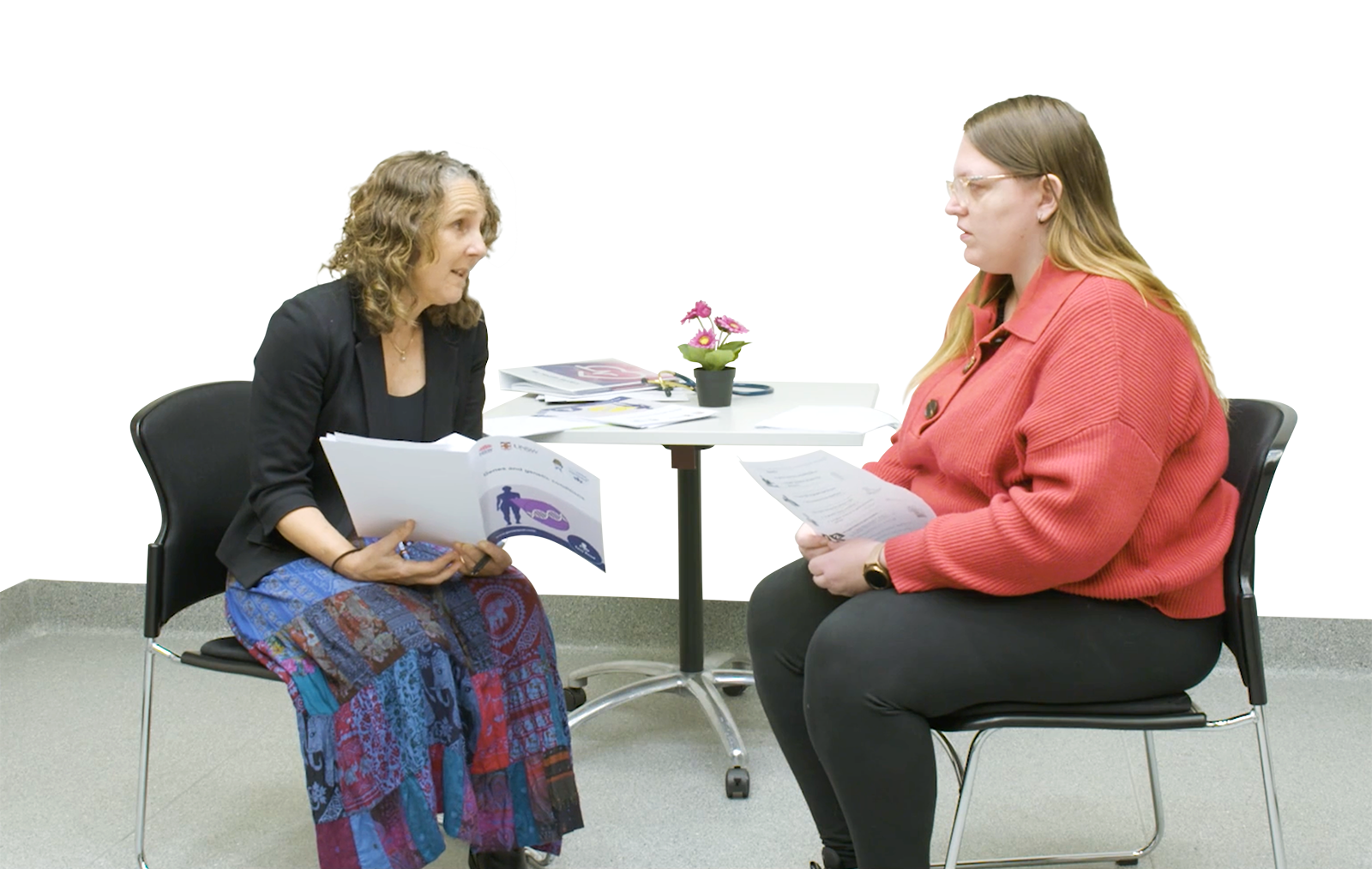

Narrator: “In this video, Millie talks about her journey with getting a genetic test.”
Millie: “Hi. My name is Millie. I’m 30 years old. I live in my own home. I have a dog and I am single at the moment. I enjoy the beach, cooking and taking my dog for walks.
I have some health conditions and I also have an intellectual disability.
My doctor’s name is Sarah. She supports me with my health. She answers my questions. When I see Dr Sarah, we talk about genetic testing. To see if it can help me.
Then I make a choice if I want to have genetic testing or not. If I say yes, my next appointment will be with a genetic counsellor and her name is Claire.
I can call Claire before the appointment to ask any questions that I might have. For example: what happens during the appointment with the genetic doctor?
Claire and I meet and we also talk about test results. There are four kinds of test results. Claire tells me the good things about genetic testing. She explains the four possible test results. Claire gives me clear information. She gives me time to think and this helps me make the right choice for me. This is called informed consent. And that means that I can understand and choose what’s best for me.
Sometimes I need extra support. My sister Christina supports me. She supported me to make my choice.
Next, I decide if I want to get tested and if I do, I will wait for the results and this can take a few months.
Claire explains she’s available to talk while I wait for the results. When the test results come back, Claire will call me to make an appointment. At the appointment we talk about my results. My sister Christina will be there to support me.
Claire uses plain English. She gives me time to think and I can ask as many questions as I like. She supports me because the test results can bring up some mixed feelings.
Claire writes to Dr Sarah to let her know about my test results. When I see Dr Sarah next, we’ll talk again. We’ll also talk about what supports I can get. And this helps me get the best health care.”
Narrator: “GeneEQUAL is proudly funded by New South Wales Health. We thank the clients with intellectual disability that helped create these resources together. We also thank the health care workers, advisors and experts for their wisdom and guidance.
This video was co-produced with people with intellectual disability. We asked them about their thoughts and what they liked. They want genetic health care services to be inclusive, person-centred and respectful.
GeneEQUAL team members are in this video.
Do you want to know more? For more videos, information and Easy Read resources, go to the Centre for Genetics Education website or scan this code with your phone.
For GeneEQUAL contact details, video series and Easy Read resources, go to the GeneEQUAL website or scan this code with your phone.”
You can follow Millie's genetic health care journey through the next videos. This can help you learn about what a genetic health care journey might look like.
Millie goes to see her doctor
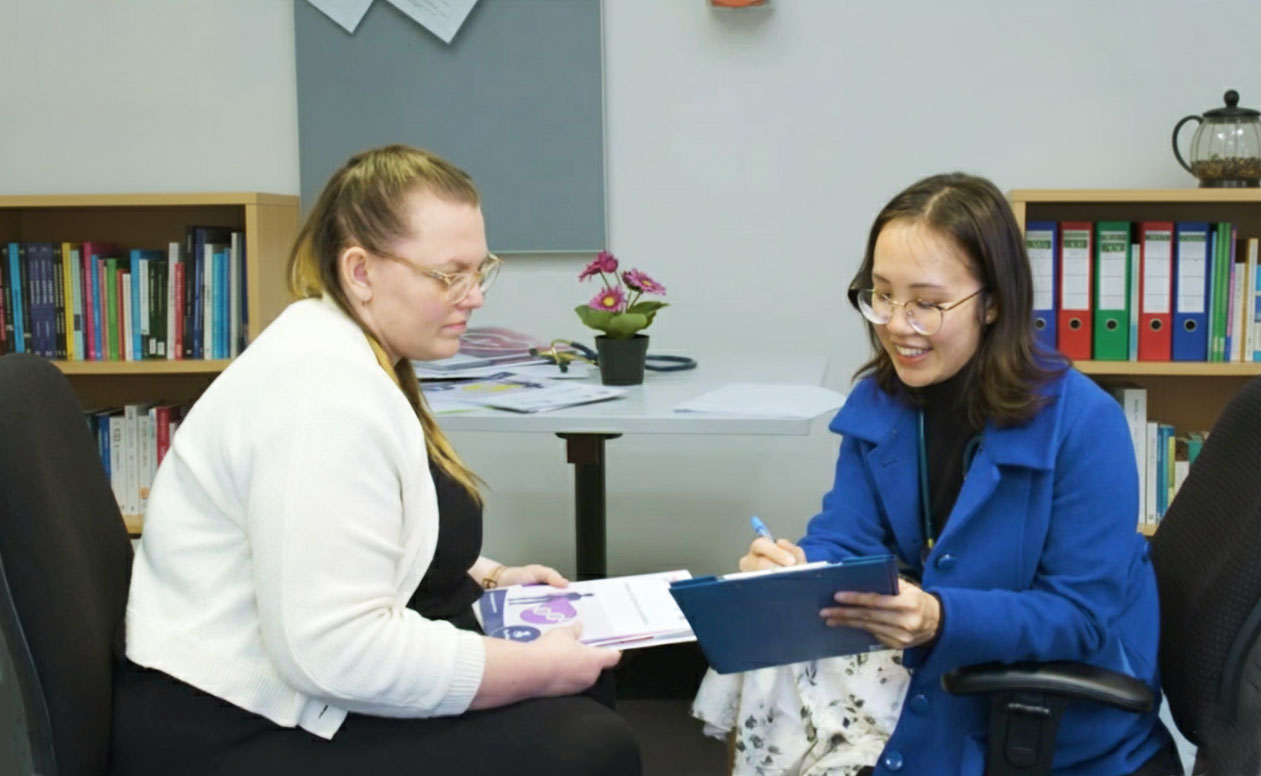
The first step is Millie goes to see her doctor.
Millie’s usual doctor is Dr Sarah.
Millie talks to Dr Sarah about
- her health and
- why she has her medical condition.
Dr Sarah explains that genetic testing might be helpful.
You can read more about Millie talking with Dr Sarah in the booklet: Millie’s genetic health care story: Before a genetic test.
Millie makes a choice
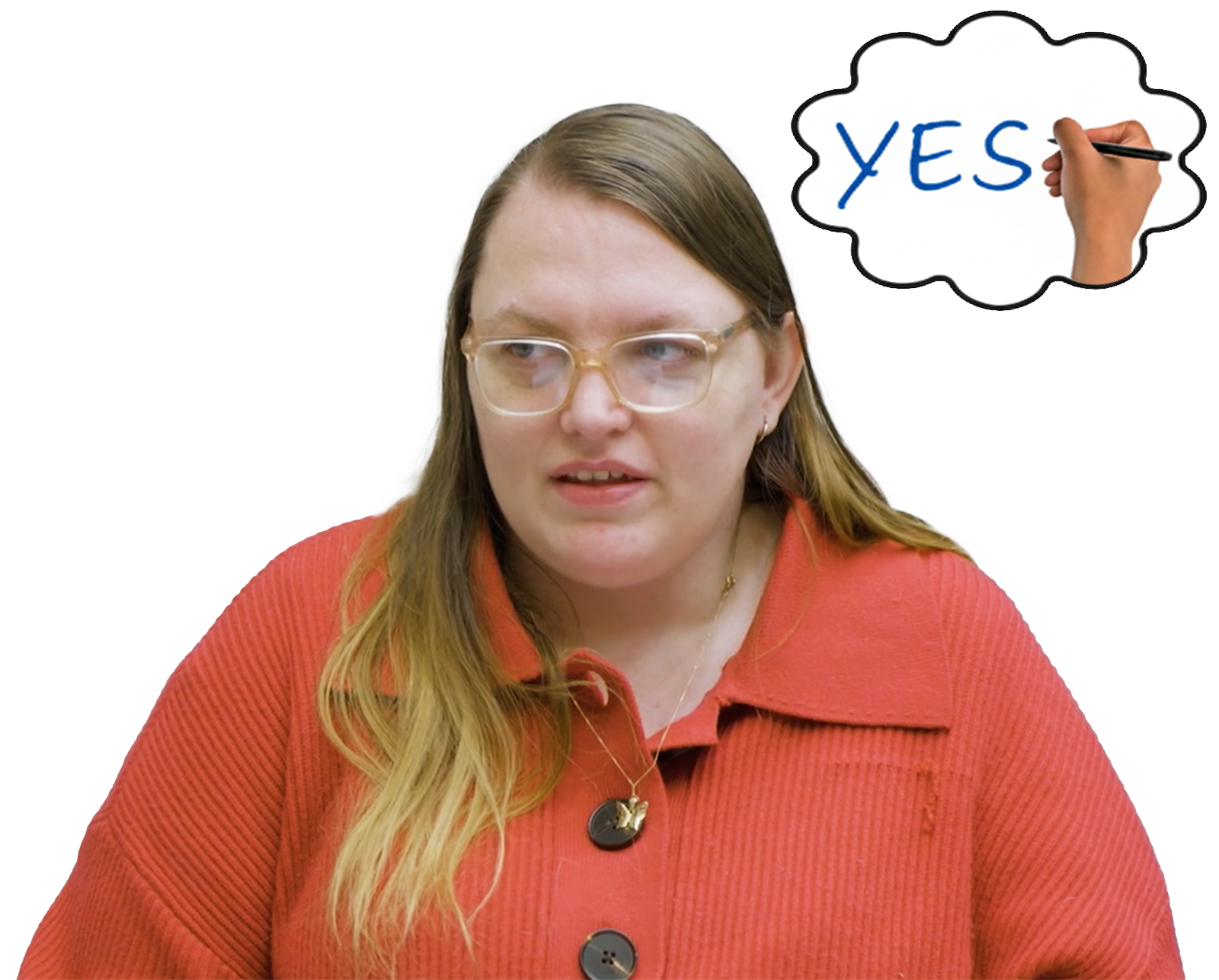
The second step is Millie decides if she wants to find out more about genetic testing.
She makes this choice after talking to Dr Sarah.
There is no right or wrong choice.
Dr Sarah refers Millie to see a specialist
- to talk more about a genetic test.
Millie sees a specialist
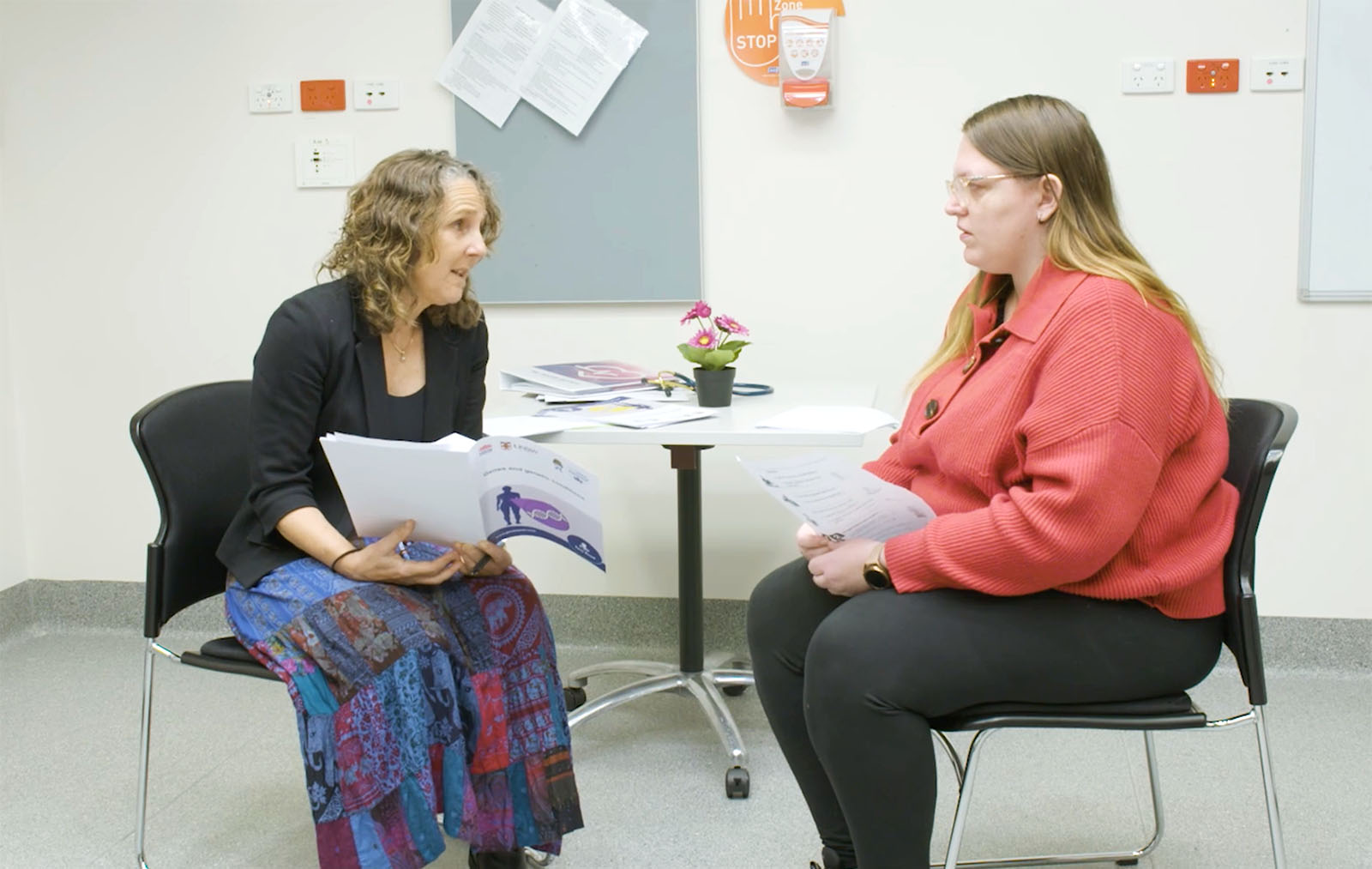
The third step is Millie sees a specialist.
The genetic specialist is named Claire.
Claire talks to Millie about
- genetic testing
- whether it is something Millie wants to do.
Claire supports Millie to make a choice that is right for her.
This is called consent.
You can watch these videos to see genetic testing consent that is accessible, inclusive, and respectful.
Part 1
Transcript
Narrator: "In this video, Millie meets with a specialist named Claire. Claire explains what genetic testing is."
Millie: "Thank you, Claire. I found that discussion that we had really helpful. It was great to talk through the reasons why I might or might not have a test."
Claire: "And it seemed like it was helpful for you to write some things down so that you can take them away with you too."
Millie: "That was very helpful. Thank you."
Claire: "Good. So what I'm hearing from you is that you're thinking you would like to go ahead and have a genetic test to try and understand more about your health condition, why you've got the health condition and to see if you've got a genetic condition and if knowing about that might help the sort of treatment that you're getting. Have I got that right?"
Millie: "Yeah."
Claire: "Yeah, okay. So, I guess there are a few more things to just go through together. But one of the important things is to be aware that you don't have to make a decision today. Okay? You're welcome to go home and think about it and make a decision in the future. Okay?"
Millie: "Okay."
Claire: "Are you happy to continue now? Is there anything I can do to help you feel a little less nervous?"
Millie: "I'm okay to continue. I know that it's important to... I just need to listen. I'm okay to continue. Yeah."
Claire: "Alright but please stop me at any time. Alright? The most important thing is that you feel comfortable, and that you know, you get the information you need to be able to make a decision that you feel comfortable with."
Millie: "Thank you."
Claire: "Alright. So, this is the consent form for genetic testing that we use for everyone. But we've also got the fact sheets to go along with that and we can go through both of them today. So you can also take that home so if you want to talk to friends and family at home before you make a final decision, that's fine too. So, as I mentioned earlier, there are four possible results for this type of genetic testing. Just to help me check that I’ve explained them well enough, can you tell me what you remember about the possible results?"
Millie: "Yeah. So, result one. You mentioned that I might find out why I have my health condition. We might find out why. (Result 2) We might not find a reason. And three, we might find something that... we do not understand right now. And four, we might find something that we were not looking for."
Claire: "Yeah. So, that last one could happen with any of the other three results too. Okay? With this form, there are some more things for us to go through. But I'm aware that we've been talking for a while now. Would you like a little break before we go on?"
Millie: "Yeah, that would be great."
Claire: "Okay."
Millie: "A break sounds good."
Claire: "Okay."
Narrator: "GeneEQUAL is proudly funded by New South Wales Health. We thank the clients with intellectual disability that helped create these resources together. We also thank the health care workers, advisors and experts for their wisdom and guidance.
This video was co-produced with people with intellectual disability. We asked them about their thoughts and what they liked. They want genetic health care services to be inclusive, person-centred and respectful.
GeneEQUAL team members are in this video.
Do you want to know more? For more videos, information and Easy Read resources, go to the Centre for Genetics Education website or scan this code with your phone.
For GeneEQUAL contact details, video series and Easy Read resources, go to the GeneEQUAL website or scan this code with your phone."
Part 2
Transcript
Narrator: "In this video, Claire explains to Millie important things to know about genetic tests. This helps Millie make her own choice about genetic testing."
Claire: "Happy to continue?"
Millie: "Yeah."
Claire: "Okay. So the next point on the form here is to let you know that this genetic test is not a general health check. So it's still really important that you have your regular health checks."
Millie: "Yes. I see Dr Sarah every year."
Claire: "Great. That's good. Next point here is that this type of genetic test can sometimes find out information about how people in a family are related. So at the moment, we're only testing you, so we'll only find out information about you, okay? Sometimes we offer testing to other family members too. And very rarely that sort of test can show us that people in the family are not related by blood. Okay? But for now, we're only testing you, so we're only going to get information about you. And if we go to think about offering other people in the family testing, say, your parents, we'll talk to you more about that at that time, okay?"
Millie: "Yep."
Claire: "The next point here is that in the future, we may know more about genetic tests. We may have different genetic tests or we may be able to interpret what we find in this one better or differently. So, this test is using the information that we know now, but that can change in the future."
Millie: "Okay."
Claire: "Next importantly, the test result is confidential. Alright? So, I just share the result with you and you decide who you would like to also have that result. So is this someone else you think you'd like…."
Millie: "Yeah, I think… Dr Sarah and my sister Christina."
Claire: "Okay. Great. I'll pop those down. If there was ever a reason to let anyone else know your result, I'd talk to you first. Okay?"
Millie: "Okay."
Claire: "Alright. So, the next point here is how we plan to share the results with you. So would you like to come back here to the clinic to get the result?"
Millie: "Yes, I'd like to be here."
Claire: "Okay. Alright. So what I'll do is I'll phone you when I know the result's coming back, and we'll organise an appointment then."
Millie: "Great, thank you."
Claire: "The other thing that I usually suggest is that people think about whether they bring someone with them to that appointment. Is there someone you would like to bring?"
Millie: "Yeah, I'll bring my sister."
Claire: "Yeah, great. Okay. So, the last point on the form is a bit about insurance. Some people have questions about what the test might mean for particular types of insurance. Are you thinking of getting life insurance or any type of..."
Millie: "No. No, that's okay. No questions about that from me."
Claire: "Okay. Alright. We're almost there. Can I just check you feel I've explained things well enough for you? Have you got any questions that you can think of now?"
Millie: "No. No questions."
Claire: "Alright. Alright. How are you feeling about what you've heard today? Do you want some more time to think about things or do you feel..."
Millie: "Yeah, I think I'll take some more time to have a think about everything. The extra information that was given today."
Claire: "Sure, that sounds like a good plan. How about if I give you a call, say, in two days time, and then if you thought of more questions to ask me, or if you feel like you've made a decision? As I said before, the most important thing is that you feel comfortable with this decision."
Millie: "Thank you."
Claire: "Alright. We'll talk soon."
Narrator: "GeneEQUAL is proudly funded by New South Wales Health. We thank the clients with intellectual disability that helped create these resources together. We also thank the health care workers, advisors and experts for their wisdom and guidance.
This video was co-produced with people with intellectual disability. We asked them about their thoughts and what they liked. They want genetic health care services to be inclusive, person-centred and respectful.
GeneEQUAL team members are in this video.
Do you want to know more? For more videos, information and Easy Read resources, go to the Centre for Genetics Education website or scan this code with your phone.
For GeneEQUAL contact details, video series and Easy Read resources, go to the GeneEQUAL website or scan this code with your phone."
Millie makes another choice
After talking to Claire about genetic testing
- Millie decides she wants to get a genetic test.
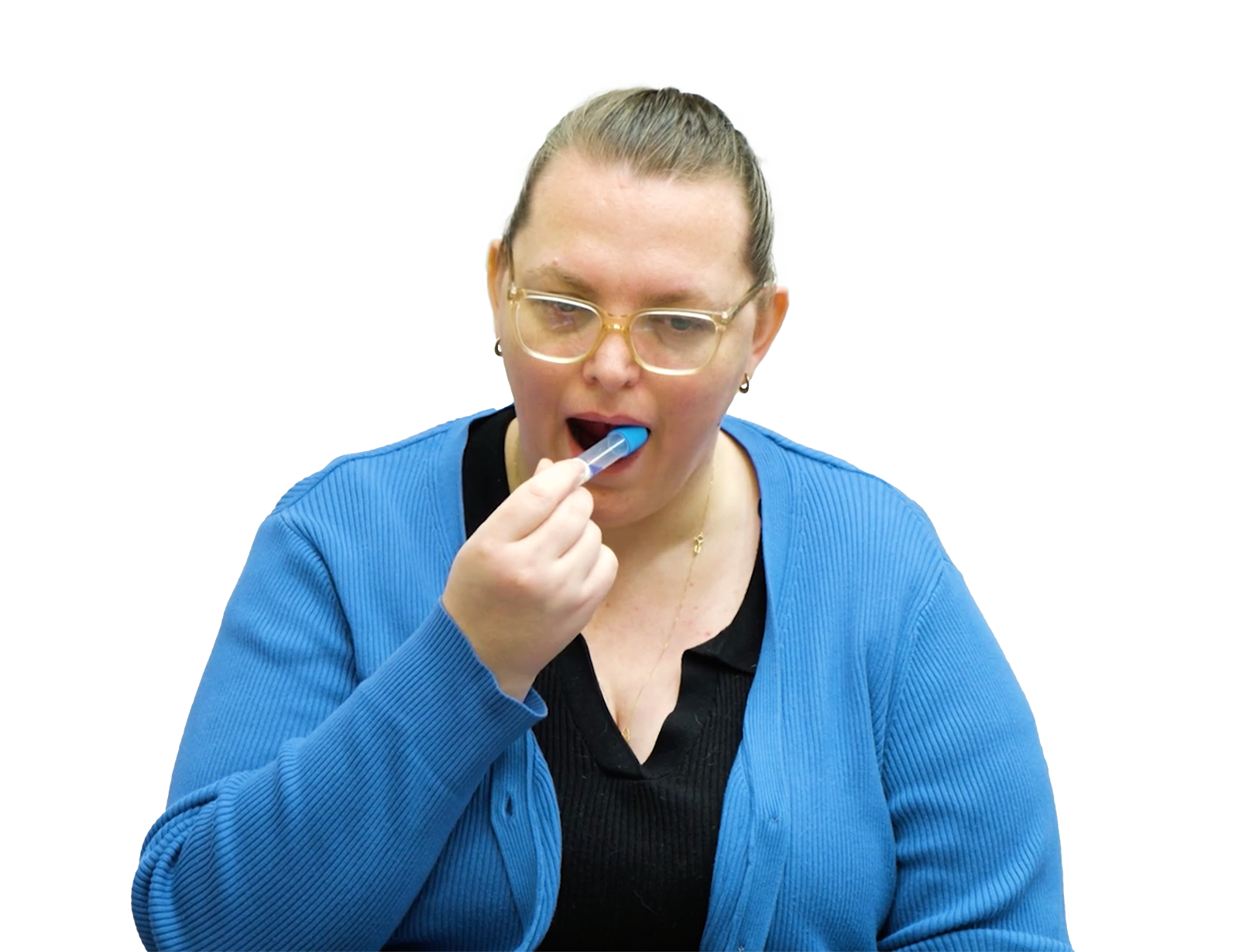
She does a mouth swab genetic test.
Watch this video to see Millie collect a mouth swab.
Narrator: "In this video, Claire helps Millie collect a mouth swab for genetic testing."
Claire: "So Millie, you happy to go ahead with the genetic testing?"
Millie: "Yeah."
Claire: "Okay. So, have you had anything to eat or drink in the last hour?"
Millie: "No."
Claire: "Good. Now, as we talked about, the test can be done on a saliva sample. So a spit sample. And this is the kit that we talked about. So see the spongy tip here. So what I'm going to ask you to do is you put that into your mouth and just go round and round in circles to get as much saliva as you can from your cheeks and maybe down the side your teeth. And backwards and forwards, just like it shows you here in these pictures. Are you happy to do that yourself?"
Millie: "Yeah."
Claire: "Okay. So if I hand you the little swab. Here. So it's just that spongy bit."
Millie: "Feels a bit funny."
Claire: "That's great. Great. So now, this goes off to the lab. Alright, so I'll give you a call like we organised once the results are back, and we'll book an appointment. Have you got any questions for me?"
Millie: "I just want to check if I can have my appointment on Monday morning?"
Claire: "Sure, sure. I'll make a note of that. Monday morning. Terrific. The other thing is sometimes when people are waiting for the result, they feel a bit nervous or think of other questions. So please know that you can call me or email me if you have any questions or want to ask me anything."
Millie: "Thank you. If I have any worries, I'll give you a call."
Claire: "Great and I'll also write a letter to Dr Sarah so she knows that you've had this test, and we'll let her know when the results come back."
Millie: "Thank you."
Narrator: "GeneEQUAL is proudly funded by New South Wales Health. We thank the clients with intellectual disability that helped create these resources together. We also thank the health care workers, advisors and experts for their wisdom and guidance.
This video was co-produced with people with intellectual disability. We asked them about their thoughts and what they liked. They want genetic health care services to be inclusive, person-centred and respectful.
GeneEQUAL team members are in this video.
Do you want to know more? For more videos, information and Easy Read resources, go to the Centre for Genetics Education website or scan this code with your phone.
For GeneEQUAL contact details, video series and Easy Read resources, go to the GeneEQUAL website or scan this code with your phone."
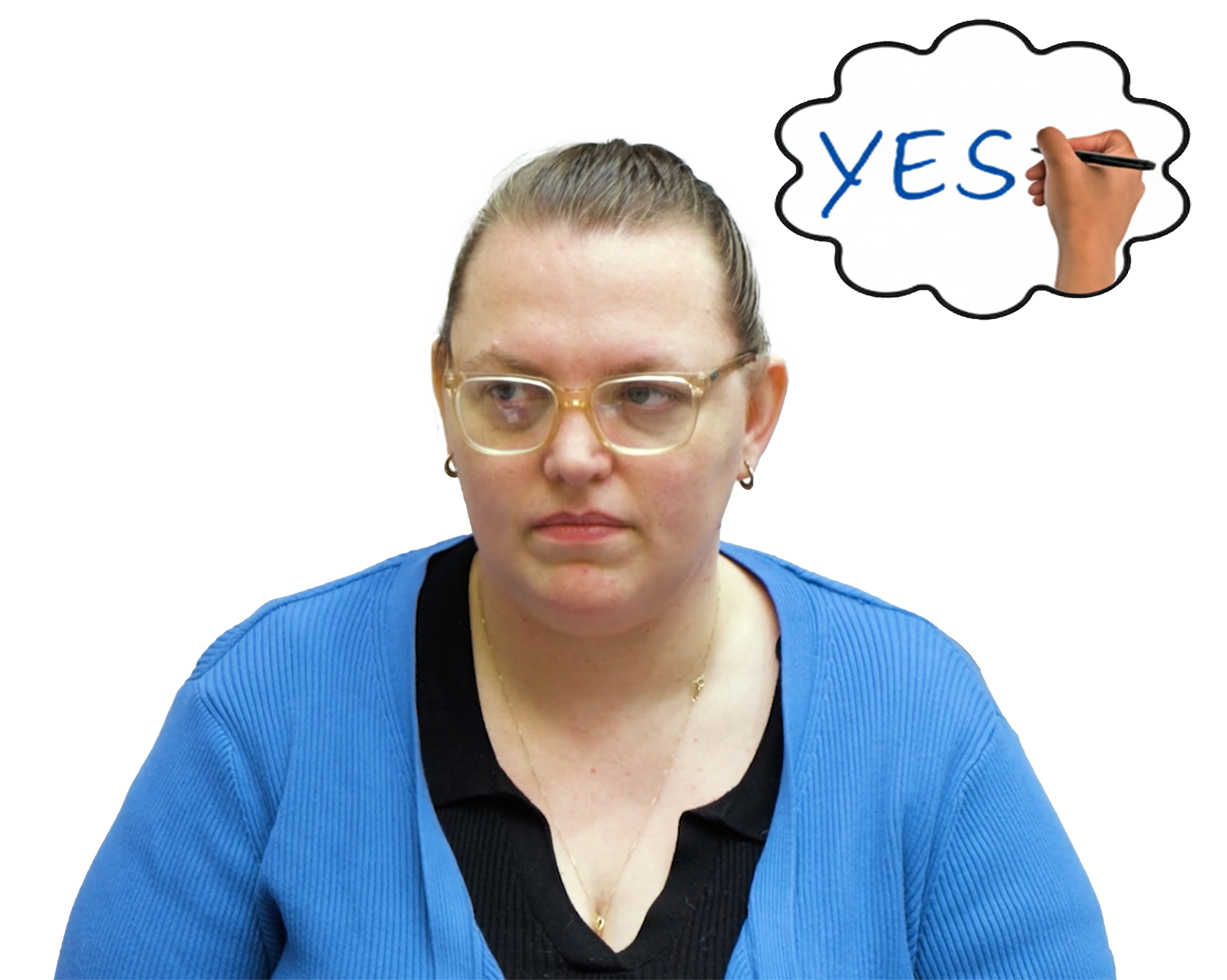
Millie chose to get a genetic test.
But people can choose different things, such as
- yes, I want to find out more.
- no, I do not want to find out more right now.
- I’m not sure right now, I need more time.
- I want more information to make a choice.
All these choices are okay.
There is no right or wrong choice.
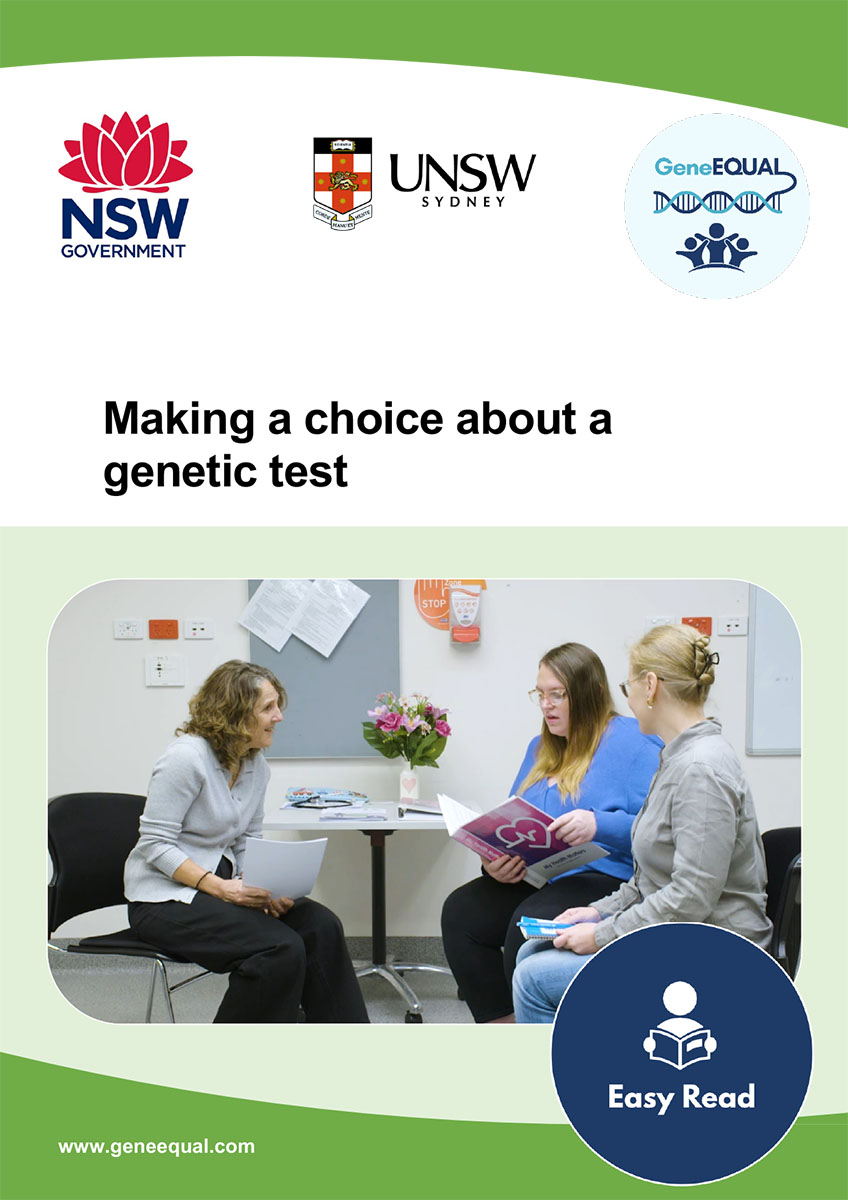
You can read more about Millie making a choice in the booklet: Making a choice about a genetic test.

Millie waits for the result
Millie waits for her genetic test result.
Claire told her that this can take some time.
Millie gets support while she is waiting for the result.
For example, she can talk to her
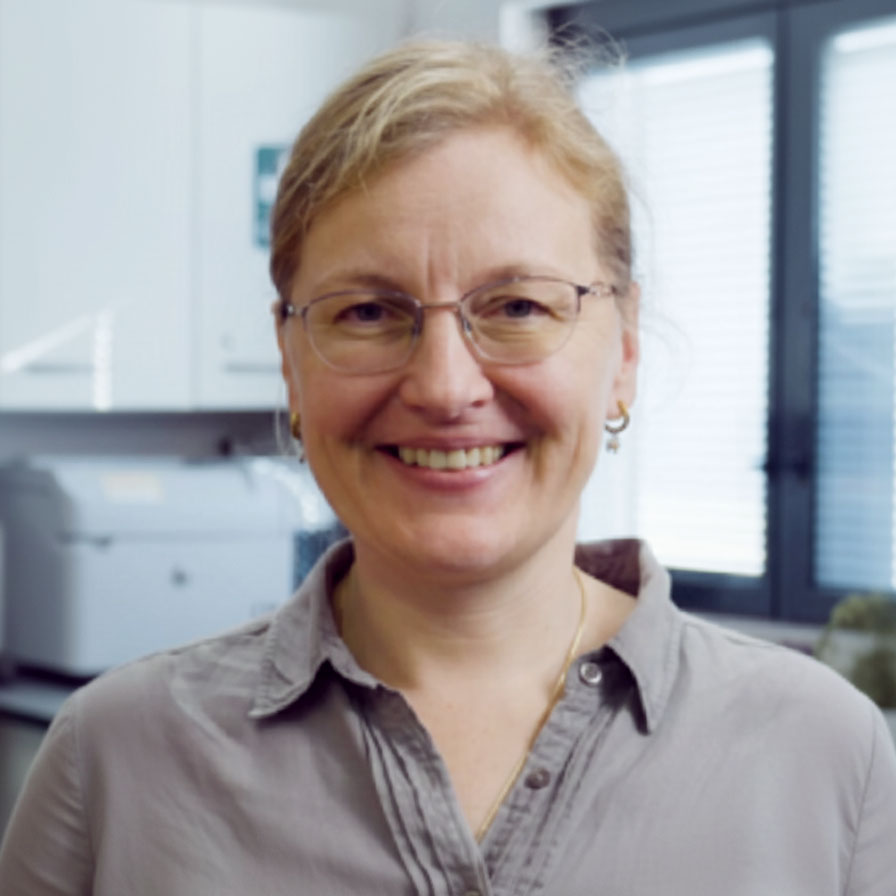
- sister Christina
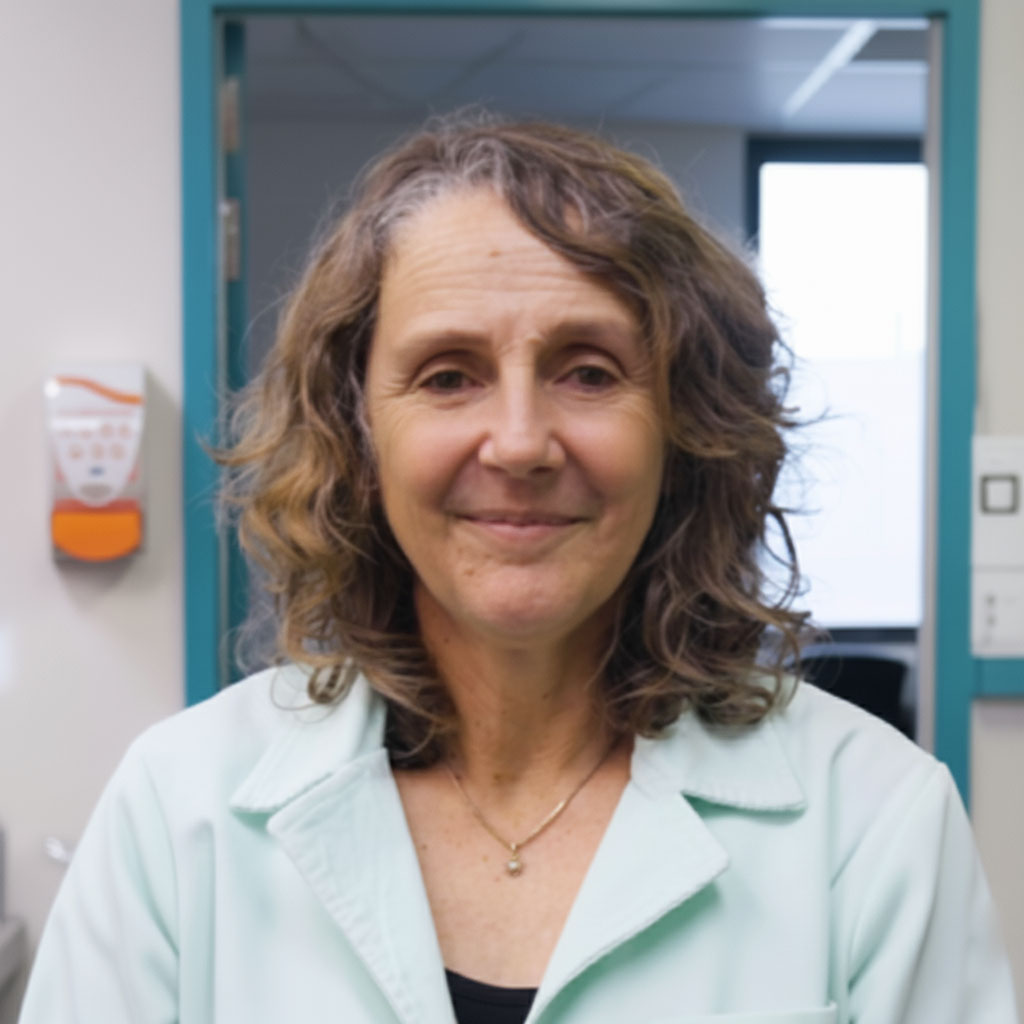
- specialist Claire
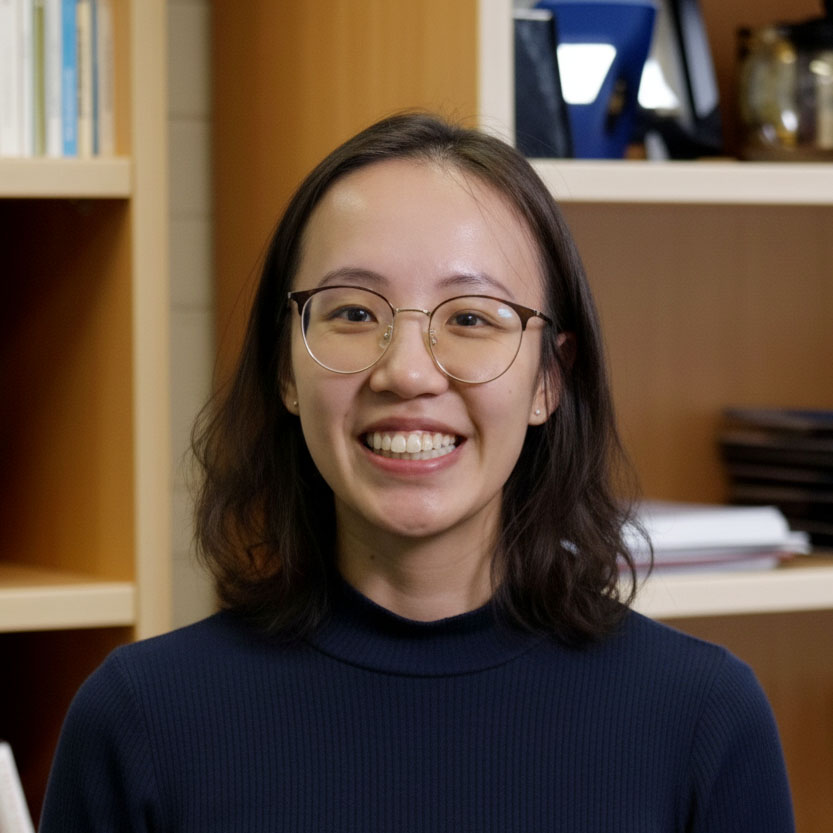
- doctor Sarah
- or other support people.
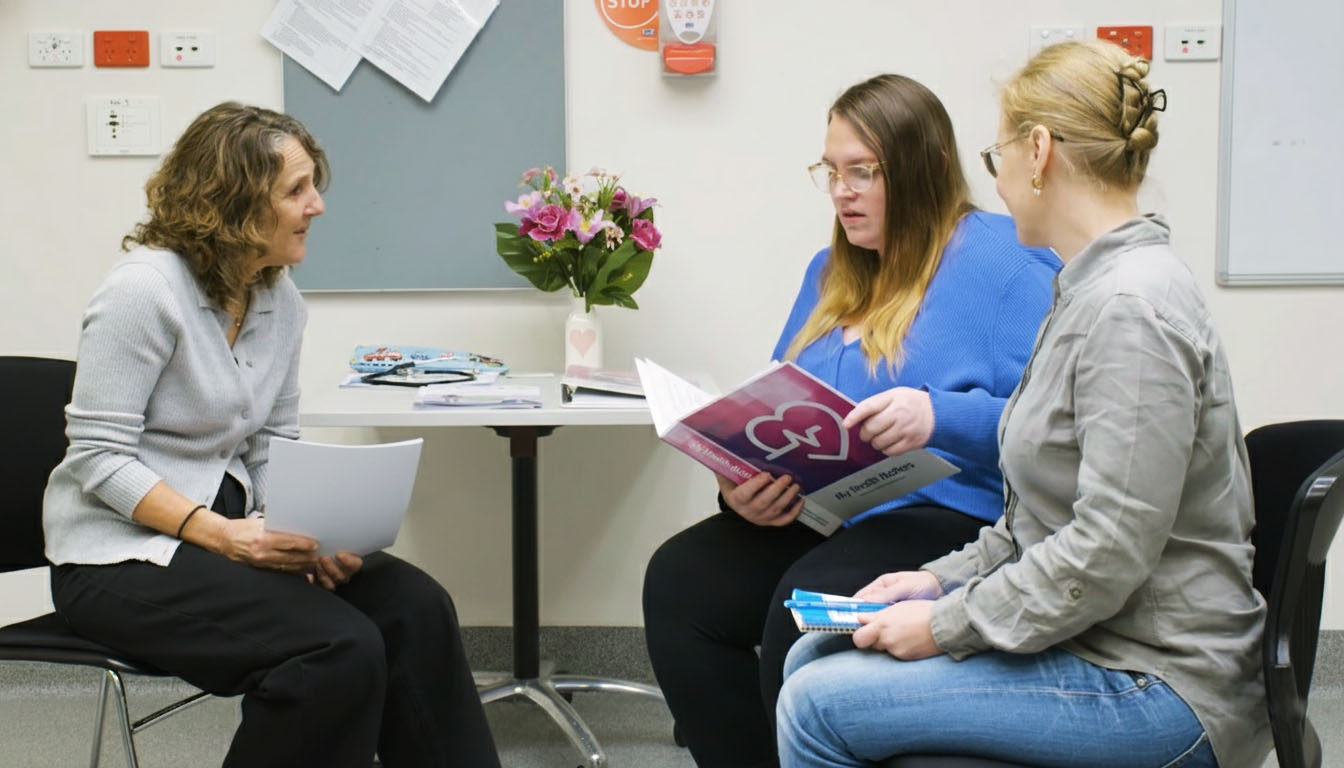
Millie gets her genetic test result.
Millie meets her specialist Claire again.
She wanted to bring her support person, Christina, who is her sister.
Watch this video about their result appointment.
Narrator: "In this video, Millie meets with Claire, the specialist, to talk about Millie's genetic test result. Millie's sister, Christina, is there to support her."
Claire: "Millie, thank you for coming in today. Just so I can check that I've explained what this appointment's about, can you tell me what you're expecting today?"
Millie: "Yeah. I'm expecting to get my genetic testing results back."
Claire: "Yeah. You look nervous."
Millie: "I'm feeling..."
Claire: "Yeah. Feeling nervous? It's completely your choice, whether you get it back today. You don't have to."
Millie: "I do want my results back but yeah, I'm just feeling nervous about it."
Claire: "I think that's completely natural. Most people feel nervous when they're getting a health result back. But we'll go at your pace. Okay? We're not in a rush. We can take our time. And you just stop me any time, okay? And ask me questions."
Millie: "Thanks Claire."
Claire: "That's okay. Now, I can see you're prepared and you've got your four possible results sheet there."
Millie: "I've been thinking about what results I might get. It's been making me nervous."
Claire: "Sure. Okay. Well, let's look at your result together. Okay?"
Narrator: "GeneEQUAL is proudly funded by New South Wales Health. We thank the clients with intellectual disability that helped create these resources together. We also thank the health care workers, advisors and experts for their wisdom and guidance.
This video was co-produced with people with intellectual disability. We asked them about their thoughts and what they liked. They want genetic health care services to be inclusive, person-centred and respectful.
GeneEQUAL team members are in this video.
Do you want to know more? For more videos, information and Easy Read resources, go to the Centre for Genetics Education website or scan this code with your phone.
For GeneEQUAL contact details, video series and Easy Read resources, go to the GeneEQUAL website or scan this code with your phone."
There are four possible results of Millie's genetic test. These videos show the possible results.
Result 1 The genetic test finds a reason why Millie has her health condition.
Narrator: "In this video, Millie's genetic test finds a gene change that explains her health condition. Claire, the specialist, explains what this means. This is one of the possible results of a genetic test."
Claire: "So Millie, the result shows that they found a change in a gene that explains your health condition."
Millie: "Oh. Okay."
Claire: "Okay? So, that's big news."
Millie: "Yeah."
Claire: "Are you okay for me to keep going? Or would you like to have a little break?"
Millie: "Yeah. Yeah. Keep going."
Claire: "You sure?"
Millie: "Thank you. Yeah."
Claire: "Alright. Okay. I know this is big news. It's natural to feel the way you are feeling now. Alright? You just stop me at any time. We're not in a rush. We can take as long as you want. Okay? So what I've done is I've got some information about the condition. And we can go through that together now. Alright? So it's in Easy Read... How are you feeling?"
Millie: "I'm not quite sure to be honest."
Christina: "I'm sure you have a lot of thoughts and questions."
Millie: "Yeah, I just feel so different. Did I do something wrong?"
Claire: "Oh, Millie. No. No. You didn't do anything wrong. This is not anybody's fault. Alright? It's not your fault. Not your mum or dad's fault. This genetic change doesn't change anything about who you are. Alright? You're still Millie. You just know some extra information about yourself now. Okay?"
Millie: "Yeah."
Claire: "We all have changes in our genes. This happens to be a change that causes your health condition. Okay?"
Millie: "Alright."
Claire: "So, if it's helpful, we can go through and talk a little bit more about it. And I guess it would be good to know how you're feeling about it and what we can do to support you. Because it's big news to hear."
Millie: "Yeah."
Claire: "So this is a really rare condition and not many people will have heard of it which can be difficult. Some people find it helpful to connect with other people with the same or similar genetic conditions. Is that something that you think might be helpful?"
Millie: "I think... I think I'd like to. What do you think Christina?"
Christina: "It's completely up to you Millie."
Millie: "Okay. Okay, I will."
Claire: "Well, what I can do is I can give you the information, and then you can decide what you do with it. Okay? And I've got that information here for you. Now, support groups are not for everybody. Some people find them really helpful. But not everybody so it's completely up to you. But I can show you how, how to make contact with them, and give you that information. You know, it's a big thing to get a genetic diagnosis. And I guess I just want to make sure that you're feeling okay."
Millie: "Yeah."
Claire: "Would you be happy if I call you in a week?"
Millie: "Yeah, that would be good."
Claire: "Alright. And the other thing I wanted to check. Are you still seeing your counsellor?"
Millie: "Yeah. Yeah."
Claire: "Okay. Because this would be a good thing to talk through with her. Alright?"
Millie: "Yeah."
Claire: "Often it really does affect people and it's a good thing to be able to just sort of work through with other people. So I'll call you in a week, but if you need to talk to me before then, you just give me a call."
Millie: "Thank you."
Claire: "Alright? Okay. And you can take this with you."
Millie: "Thanks."
Claire: "Okay."
Narrator: "GeneEQUAL is proudly funded by New South Wales Health. We thank the clients with intellectual disability that helped create these resources together. We also thank the health care workers, advisors and experts for their wisdom and guidance.
This video was co-produced with people with intellectual disability. We asked them about their thoughts and what they liked. They want genetic health care services to be inclusive, person-centred and respectful.
GeneEQUAL team members are in this video.
Do you want to know more? For more videos, information and Easy Read resources, go to the Centre for Genetics Education website or scan this code with your phone.
For GeneEQUAL contact details, video series and Easy Read resources, go to the GeneEQUAL website or scan this code with your phone."
Result 2 The genetic test does not find a reason why Millie has her health condition.
Narrator: "In this video, Millie's genetic test does not find a gene change that explains her health condition. Claire, the specialist, explains what this means. This is one of the possible results of a genetic test."
Claire: "So Millie, the result shows that they did not find a gene change that causes your health condition."
Millie: "I see."
Claire: "How are you feeling about that?"
Millie: "I wanted an answer but I don't know."
Claire: "It's disappointing?"
Millie: "I'm disappointed. Yeah."
Claire: "Yeah. I think that's a completely understandable reaction. People deal with this information in different ways. One of the things with genetics is that in the future, we might find an answer. So if you like, we could organise to see you again in a couple of years, say two years time, and see if you want to think about having genetic testing again."
Millie: "I think that's a good idea."
Claire: "Okay. Alright. So I can write to your GP and suggest that so that she can do that referral for us. In the meantime, I've got a copy of your result and unfortunately the way that the laboratory writes the reports is quite scientific. It's quite complicated language. So I've got an Easy Read version of it for you. Which you can take with you."
Millie: "Thank you."
Claire: "If you've got any questions, you think of things, please just give me a call."
Millie: "Thank you."
Claire: "Alright."
Narrator: "GeneEQUAL is proudly funded by New South Wales Health. We thank the clients with intellectual disability that helped create these resources together. We also thank the health care workers, advisors and experts for their wisdom and guidance.
This video was co-produced with people with intellectual disability. We asked them about their thoughts and what they liked. They want genetic health care services to be inclusive, person-centred and respectful.
GeneEQUAL team members are in this video.
Do you want to know more? For more videos, information and Easy Read resources, go to the Centre for Genetics Education website or scan this code with your phone.
For GeneEQUAL contact details, video series and Easy Read resources, go to the GeneEQUAL website or scan this code with your phone."
Result 3 The genetic test finds something uncertain.
Narrator: "In this video, Millie's genetic test finds something uncertain. Claire, the specialist, explains what this means. This is one of the possible results of a genetic test."
Claire: "So Millie, the result showed something that we don't understand."
Millie: "What does that mean?"
Claire: "So it means they found a change in the gene, but they don't know if it affects how well the gene works. Okay? So we all have changes in our genes. They make us who we are. Sometimes changes affect how a gene works and cause a health condition. The change that we've found here, we don't know whether it causes a health condition or not."
Millie: "Okay. I guess doctors don't know everything about genes yet."
Claire: "And the thing is that they're learning all the time. So genetics is changing all the time. So even though we don't understand this gene change at the moment, in a couple of years, say two years time, we may know more and there may be more tests available."
Millie: "Okay, that gives me hope."
Claire: "Yeah. I guess the thing to say is that one in three people who we test come back with that gene change, that's called a variant of uncertain significance. So if you remember in our four possible results, that was a result number three."
Millie: "Yeah."
Claire: "So what we could do is plan to see you again in say two years time, if you want to do that. And so I could write to Dr Sarah, and suggest that we do that. How are you feeling?"
Millie: "Yeah. I'm feeling disappointed, but I do remember you mentioned that this could be a possible outcome."
Claire: "Yeah, yeah. I can understand it being disappointing. You were really hoping for an answer, weren't you?"
Millie: "Yeah."
Claire: "Yeah. Okay. I guess it... This doesn't change the fact that you've still got your health condition. It just means that we haven't found a genetic cause."
Millie: "Okay."
Claire: "We found something that's maybe we may understand in the future. So the way the lab describe it is as a variant of uncertain significance, which just means that we don't understand it at this stage. I've got the report here, but it's written in quite scientific language. So I've got an Easy Read version that you can take home with you. Okay?"
Millie: "Great. Thank you."
Claire: "That's alright. How are you feeling?"
Millie: "Yeah."
Claire: "Are you still seeing a counsellor?"
Millie: "Yeah. Yeah, I'm still seeing her, and she's good."
Claire: "Okay, well, this might be a good thing to go through and talk with her about."
Millie: "Yeah. Alright."
Claire: "Okay, so we have a plan. I'll write to your doctor, and suggest that you might like to see us in two years time. And I'll give you this Easy Read report to take home. But in the meantime, if anything changes with your health or if you have any questions or want to ask me anything, please contact me, okay?"
Millie: "Thank you Claire."
Claire: "Okay. Alright, well, you take that with you."
Millie: "Good."
Narrator: "GeneEQUAL is proudly funded by New South Wales Health. We thank the clients with intellectual disability that helped create these resources together. We also thank the health care workers, advisors and experts for their wisdom and guidance.
This video was co-produced with people with intellectual disability. We asked them about their thoughts and what they liked. They want genetic health care services to be inclusive, person-centred and respectful.
GeneEQUAL team members are in this video.
Do you want to know more? For more videos, information and Easy Read resources, go to the Centre for Genetics Education website or scan this code with your phone.
For GeneEQUAL contact details, video series and Easy Read resources, go to the GeneEQUAL website or scan this code with your phone."
Result 4 The genetic test finds something they were not expecting.
Narrator: "Trigger warning. This video is not real, but it can remind people of their experiences. It shows people talking about cancer. It can be difficult to watch the video. Take a break at any time if you need to. If you need support after this video, you can call Lifeline on 13 11 14.
In this video, Millie's genetic test finds something they were not expecting. Claire, the specialist, explains what this means. This is one of the possible results of a genetic test."
Claire: "So Millie, the result shows that they did not find an answer for why you have your health condition."
Millie: "Okay."
Claire: "But they did find something else. So do you remember when we looked at the four possible results for genetic testing?"
Millie: "Yeah."
Claire: "And there was that fourth result where we could find a change in a gene that we weren't looking for, but it's important for you to know for your health?"
Millie: "Yeah."
Claire: "Do you remember that? So, this gene change that they found is one of those results. So result number four. So what they found is a change in a gene called the BRCA1 gene. And this is a really important piece of information for you to have for your health. So the gene change means that that BRCA1 gene isn't as good at protecting you from cancer."
Millie: "Does that mean I have cancer or I'll get cancer?"
Claire: "So, no, we don't think you have cancer. Although I completely understand why you would think that, given that I just said the word cancer. No, this is a genetic test that's found a change in a gene that is helping protect your body from cancer. Okay? So the good thing about finding this result is that we can make sure that you get some health checks to try and prevent you from getting cancer. Do you want to have a little break? Now, I know this is not the news you were expecting today. Let's just take a moment. You... Do you want to take a few deep breaths in? I know it's a shock."
Millie: "Okay, I can go on."
Claire: "Alright. So, as I said, the good thing about knowing about this gene change is that we can make sure that you get all the health checks that you need. So what I've done is I've actually talked to a doctor who specialises in cancer genetics so that you can see her and she can tell you the health checks that you need to get. Does that sound okay?"
Millie: "Yeah. When will I see them?"
Claire: "You can actually see them on Thursday."
Millie: "I remember you mention it's... like the family can get it, it can be... It can run through the family. Well, what about my family?"
Claire: "And that's true. That's true. So it is important information for the whole family. And we can certainly talk about the possibility of testing, but we might do that at another appointment. For now, how about we concentrate on you, and then I can help you to share that information with your family, okay? But first of all, let's look after you. So, we've got the appointment we can book for Thursday. And I guess the most important thing is this has been a shock. And the next few days will probably be, you know, a bit tough as you wait for that appointment. So I can see you've got lovely Christina with you. You'll be around the next few days?"
Christina: "I'll be there every step of the way."
Claire: "Okay. And other family?"
Millie: "Yeah. I've got friends. I've got family."
Claire: "Yeah. Alright. I think it's probably important that you talk, you know, express your feelings. Talk about how you're feeling. And let your friends and family look after you. Because, you know, you're quite likely to feel not so great the next few days. It can be a tough few days waiting."
Millie: "Yeah."
Claire: "Alright? But as I said, the positive thing is that this knowing about this gene change means that we can get the health checks that that you need. Okay. Yep?"
Millie: "Alright."
Claire: "So have you got questions for me?"
Millie: "No. I think that's it."
Claire: "Alright. So I'll give you a call on Thursday. But, you know, if you need to talk to me before then, you know how to contact me so you can call."
Millie: "Thank you."
Claire: "But we'll talk on Thursday, okay?"
Millie: "Thank you Claire."
Claire: "Alright."
Narrator: "GeneEQUAL is proudly funded by New South Wales Health. We thank the clients with intellectual disability that helped create these resources together. We also thank the health care workers, advisors and experts for their wisdom and guidance.
This video was co-produced with people with intellectual disability. We asked them about their thoughts and what they liked. They want genetic health care services to be inclusive, person-centred and respectful.
GeneEQUAL team members are in this video.
Do you want to know more? For more videos, information and Easy Read resources, go to the Centre for Genetics Education website or scan this code with your phone.
For GeneEQUAL contact details, video series and Easy Read resources, go to the GeneEQUAL website or scan this code with your phone."
Millie goes back to see Dr Sarah.
You can read more about Millie getting a genetic test and results in the booklet: Millie’s genetic health care story: Getting a genetic test.
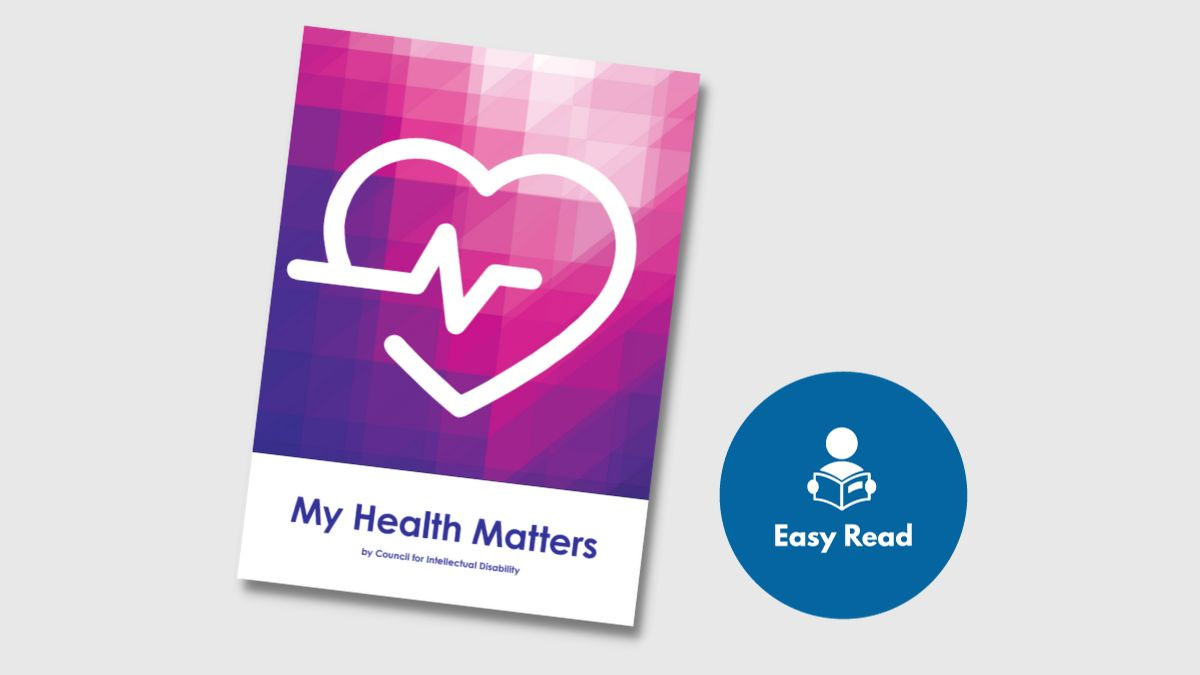
In some of the videos, Millie uses a My Health Matters folder.
This was made by the Council for Intellectual Disability (CID) as part of a project funded by the Australian Government Department of Social Services.
Some of the pictures in the videos are from Photosymbols.
Millie’s journey with genetic health care was accessible, inclusive, and respectful.
However, some people do not have this experience.
The next video shows what would have happened if Millie saw a different doctor
- who was not accessible, inclusive, or respectful.
This is not what should happen.
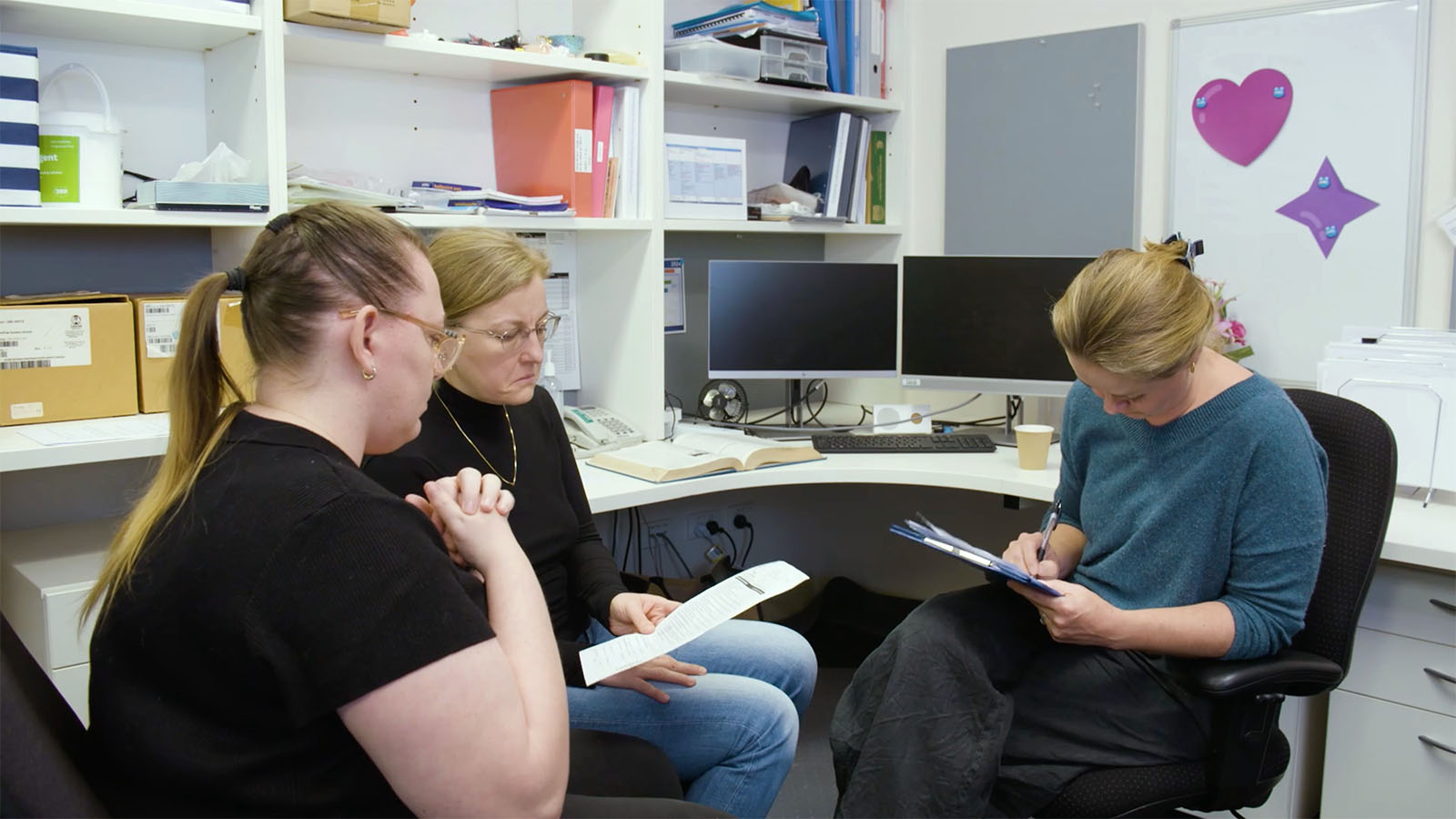

Millie sees a doctor who needs to do better
This video shows Millie seeing a doctor who needs to be more
- accessible
- inclusive
- respectful.
This video is made up
- but based on people’s real experiences.
It can be difficult to watch.
The health care professional
- uses negative words
- needs to be more respectful
- should give more support.
Narrator: "Trigger warning. This video is not real, but it can remind people of their experiences. It shows someone having a bad health experience. It can be difficult to watch the video. Take a break at any time if you need to. If you need support after this video, you can call Lifeline on 13 11 14.
In this video, we see health care that needs to be improved. Millie and her sister Christina see a specialist about genetic testing."
Specialist: "Okay, great. Thanks for coming in today. Now, I've got a referral here from your doctor for genetic testing. I've read the referral and I agree. It could be a medical disorder. This all seems very reasonable. It could be a genetic condition and that could have reproductive implications, or you know, it could have treatment implications. So, it's just a simple blood test. That's the good news. But we do have to go through this consent form. The lab won't do the test without the consent form, so I'm going to go through that with you now. Is that okay? Do you normally sign your own form?"
Millie: "Yes."
Specialist: "Okay. Great. So, it's Millie. Okay, so now I put my name. You're a mature minor. Okay, so it says me... I've discussed with you the reason for conducting the proposed genetic test. And the genetic test is exome sequencing. I've informed this patient and their guardian of the nature of possible results, limitations and material risks of the proposed genetic test. As confirmed on this form by this patient/guardian. This patient/guardian has been offered additional written information and a reference to online resources about the genetic testing. So, I will email you some information. Sorry, I didn't bring it with me, but that's alright. So genetic testing... then I'll just write in the name of your disorder... Type of genetic test? It's a diagnostic test. A genetic test performed on a person to identify a specific genetic condition. Interpreter? No. And then I... I think I sign here. Okay. Alright. So, the next bit is it goes through a whole lot of really important points. I understand and acknowledge. So, if you guys could just have a look through that. I'll be writing a blood form. Okay.”
Specialist: "Let me know if any questions or anything. We'll need two vials of EDTA blood."
Millie: "It's quite difficult to understand."
Specialist: "Any bits you want to go through?"
Millie: "Umm... no."
Specialist: "Great. Like I said, I'll email you some more information. So there's no cost. That's really important. It'll just be covered by the hospital and a copy to your GP? Would that work? Yep. Okay, fab. Gone through all of those bits?"
Christina: "Sort of. It's really hard to understand."
Specialist: "Yeah. Did you have more questions?"
Millie: "No."
Specialist: "Okay, great. So, the next bit is release of genetic testing results. Please check yes or no. My test results can be shared with relevant health practitioners involved in the care of my family members bracket genetic relatives. Does that sound okay? Yep? Tick. Great. If I can't be contacted, details of my child's... Oh sorry, my test results can be released to a nominated individual? Yep. Great. Please provide contact details for an appropriate person. Who do you want me to write here?"
Christina: "Yeah."
Specialist: "Yep? Okay, fab. Can you just fill in your contact... your name there? And then your phone number there? Brilliant. Thank you so much for coming in today. Really appreciate it. Easy. Nearly there. Okay. Fabulous. So, adult mature minor. Consent person with capacity. I consent to genetic testing as discussed with... Oh, I need to write my name again. And great. So, just here if you sign there? No, sorry. Just there. Just there. That's it. Perfect. Excellent. We are done. So, thank you so much. This is your blood form. So, if you can go and see the blood collectors, if you go up to the front, they will show you where the blood collectors are. You just go there and have your bloods done and then we'll give you a call when the test's back. Any questions?"
Millie: "Um... no."
Specialist: "Excellent. Great."
Narrator: "GeneEQUAL is proudly funded by New South Wales Health. We thank the clients with intellectual disability that helped create these resources together. We also thank the health care workers, advisors and experts for their wisdom and guidance.
This video was co-produced with people with intellectual disability. We asked them about their thoughts and what they liked. They want genetic health care services to be inclusive, person-centred and respectful.
GeneEQUAL team members are in this video.
Do you want to know more? For more videos, information and Easy Read resources, go to the Centre for Genetics Education website or scan this code with your phone.
For GeneEQUAL contact details, video series and Easy Read resources, go to the GeneEQUAL website or scan this code with your phone."