Easy Read
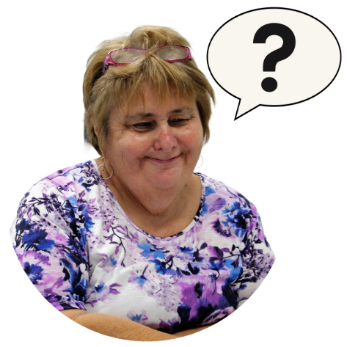
What is intellectual disability?
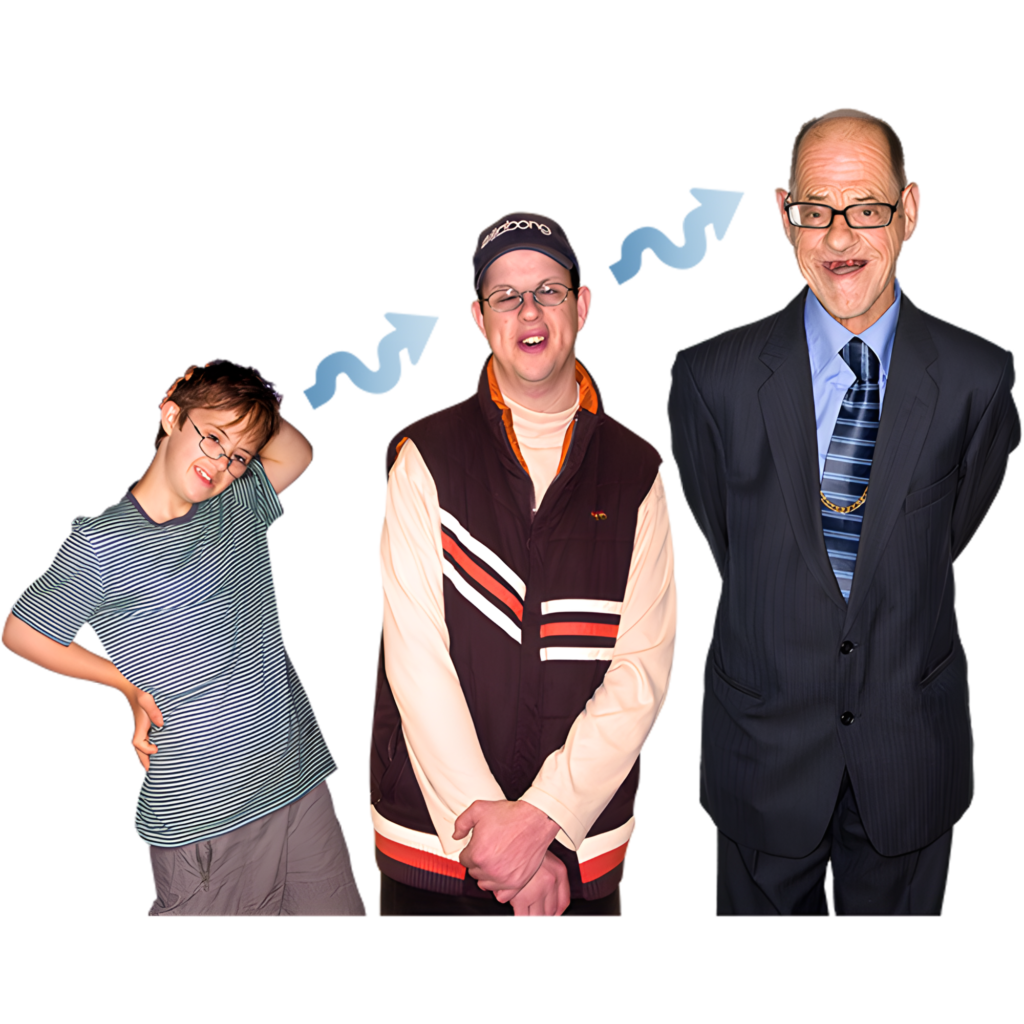
Intellectual disability is a lifelong condition
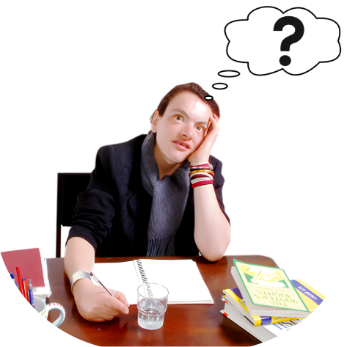
It slows down our learning
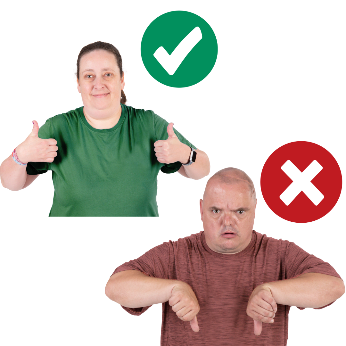
It affects our skills and behaviours
- in good and bad ways
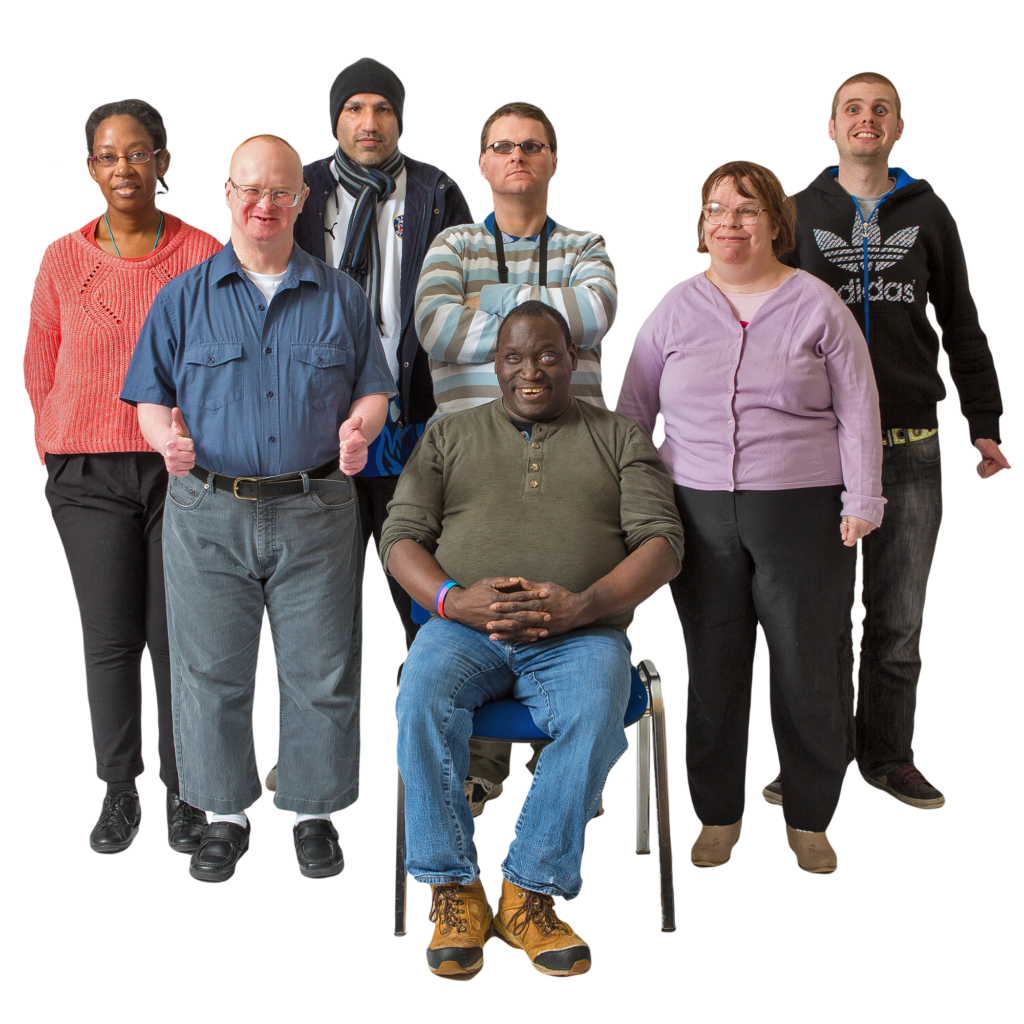
It affects our day to day lives
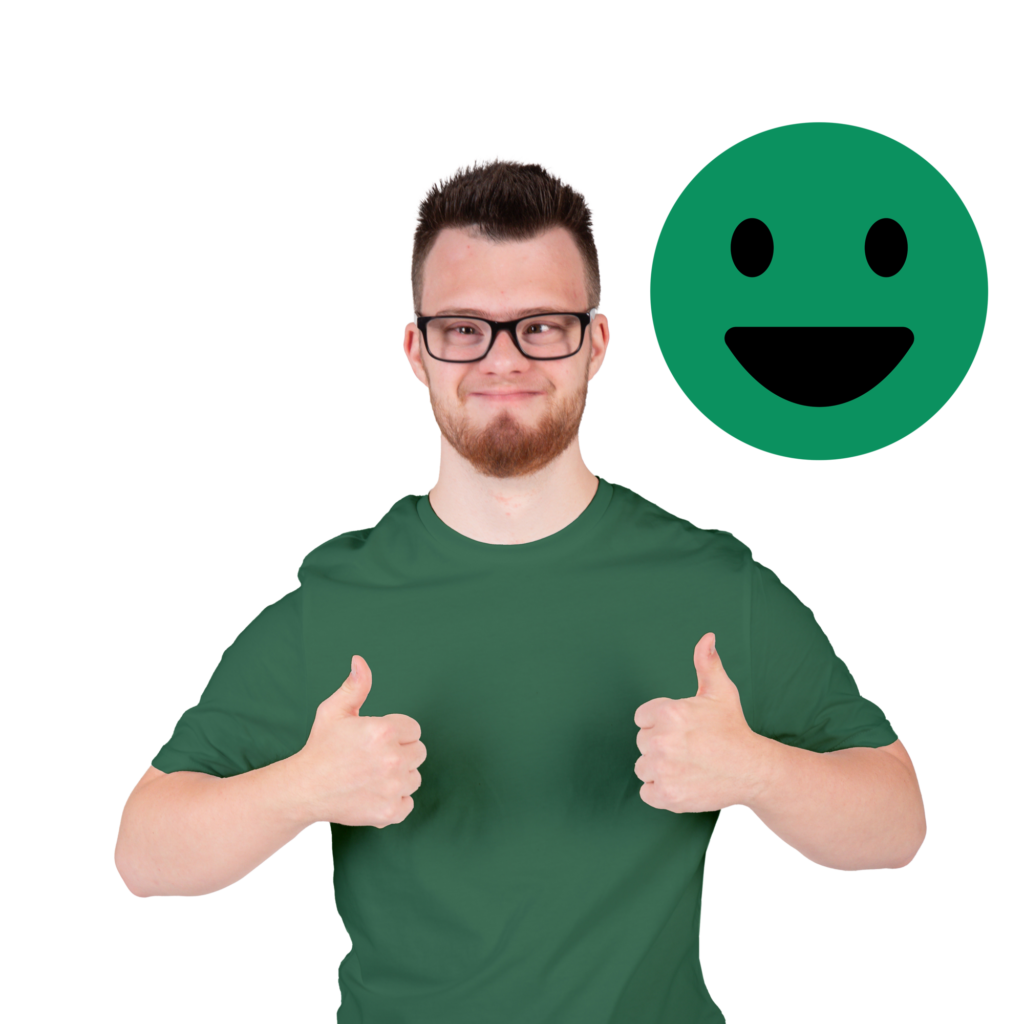
With the right support we live successful lives
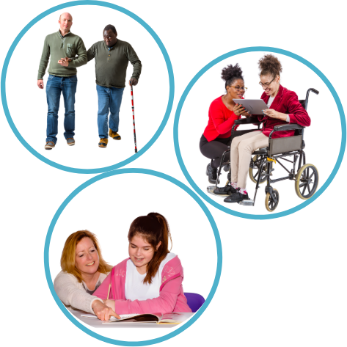
We can have different support needs
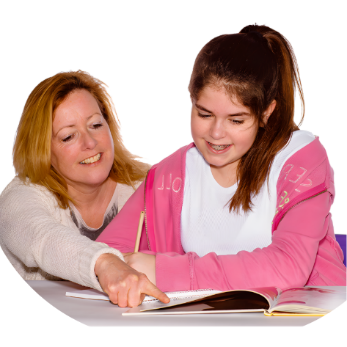
Some people need a little support
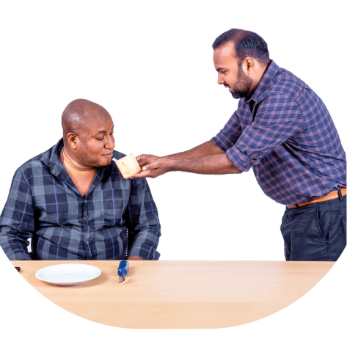
Others need more support
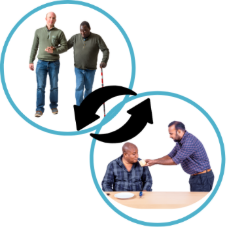
Support needs can also change
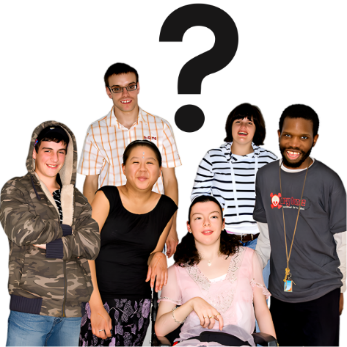
Intellectual disability is often invisible
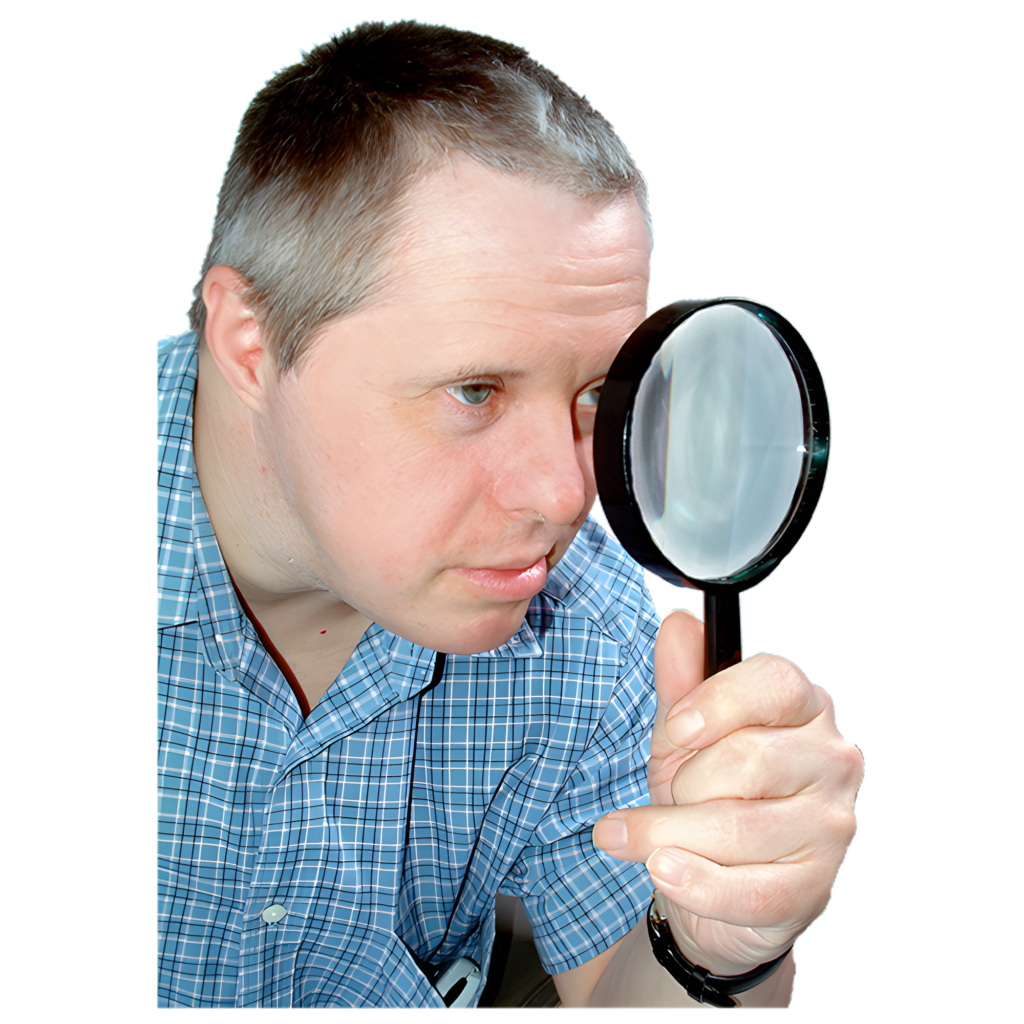
People cannot always tell by looking at us
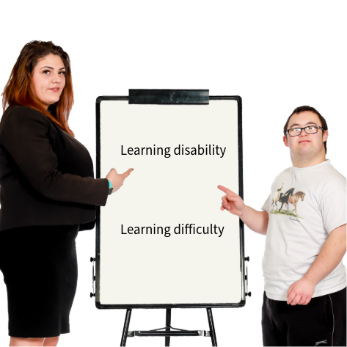
There are different names for intellectual disability
For example learning disability
Or learning difficulty
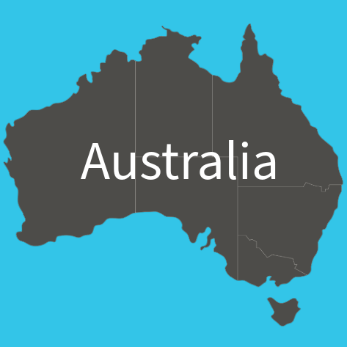
It depends on the country you live in
We use intellectual disability in Australia
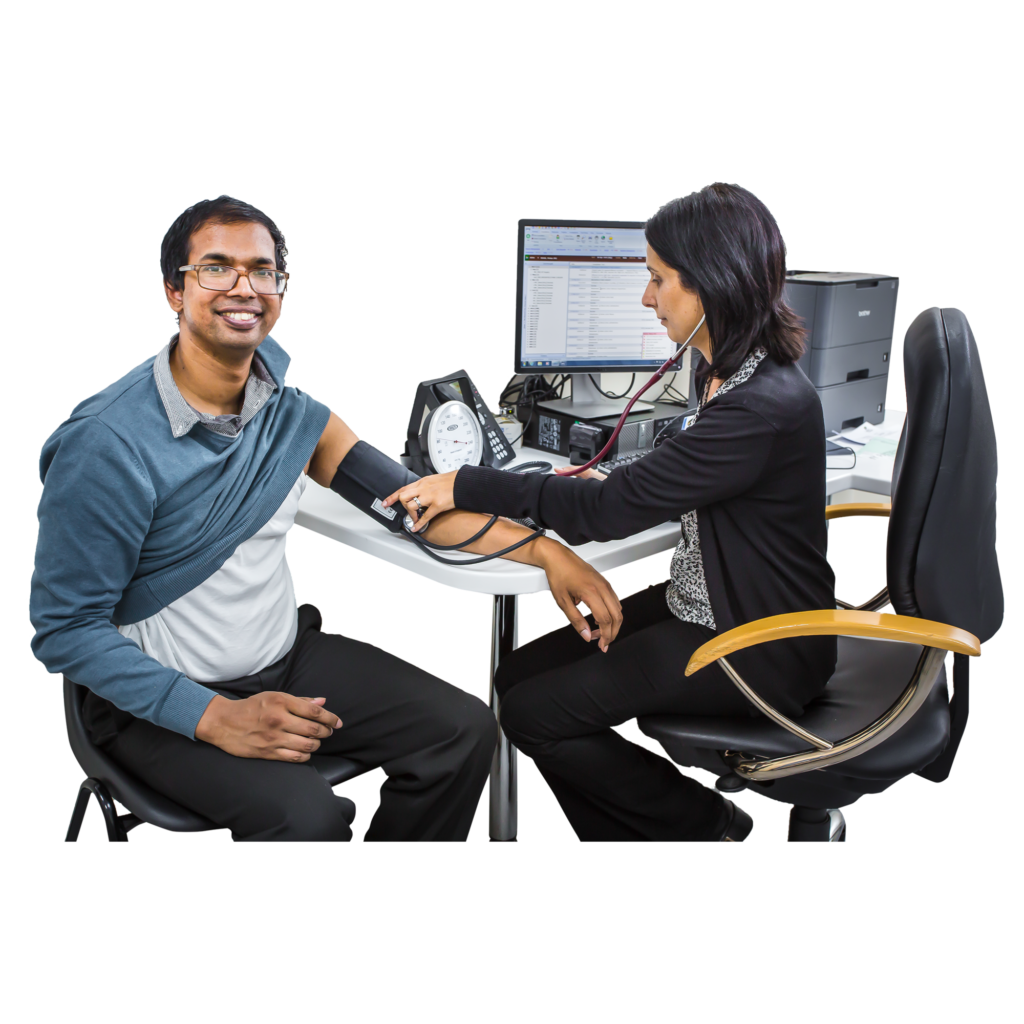
Health
Many of us have other health conditions too
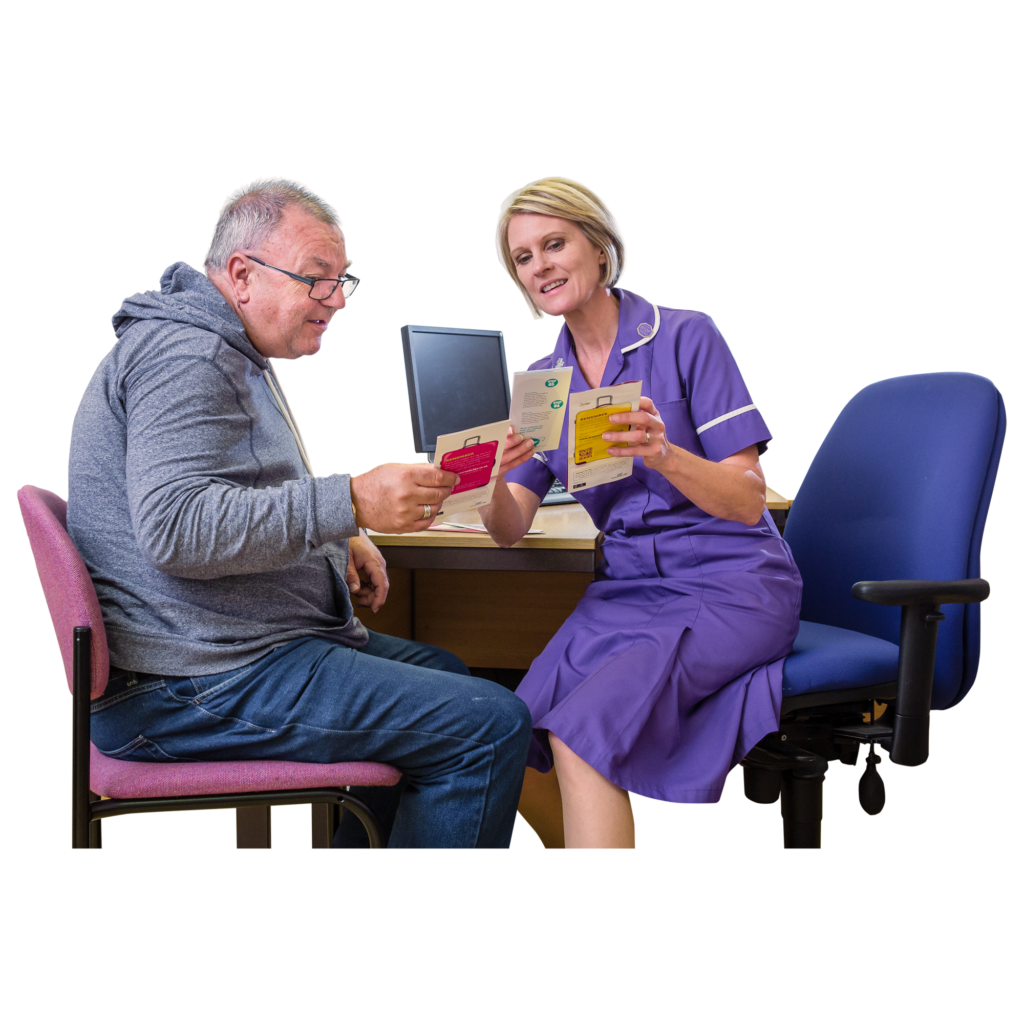
It is important to have regular health check ups
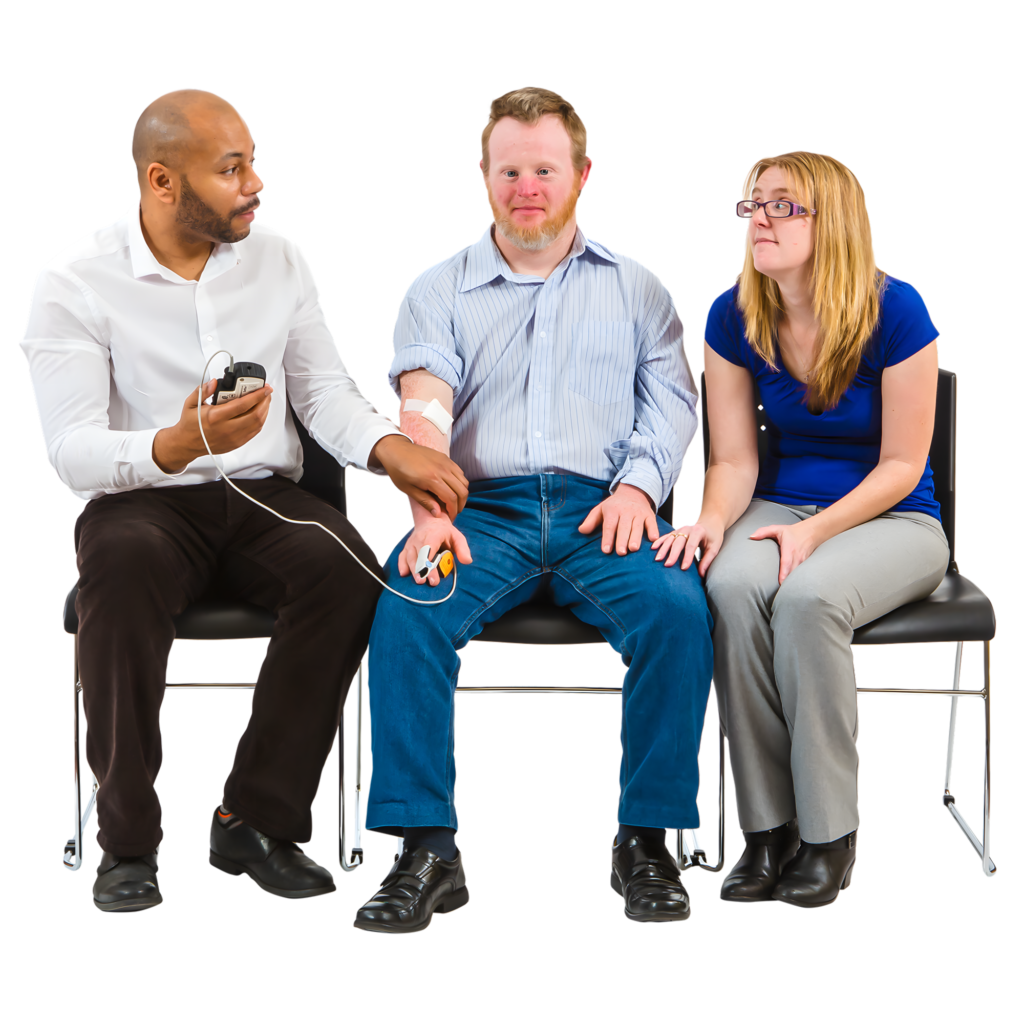
We can learn to take care of our health
- with the right support
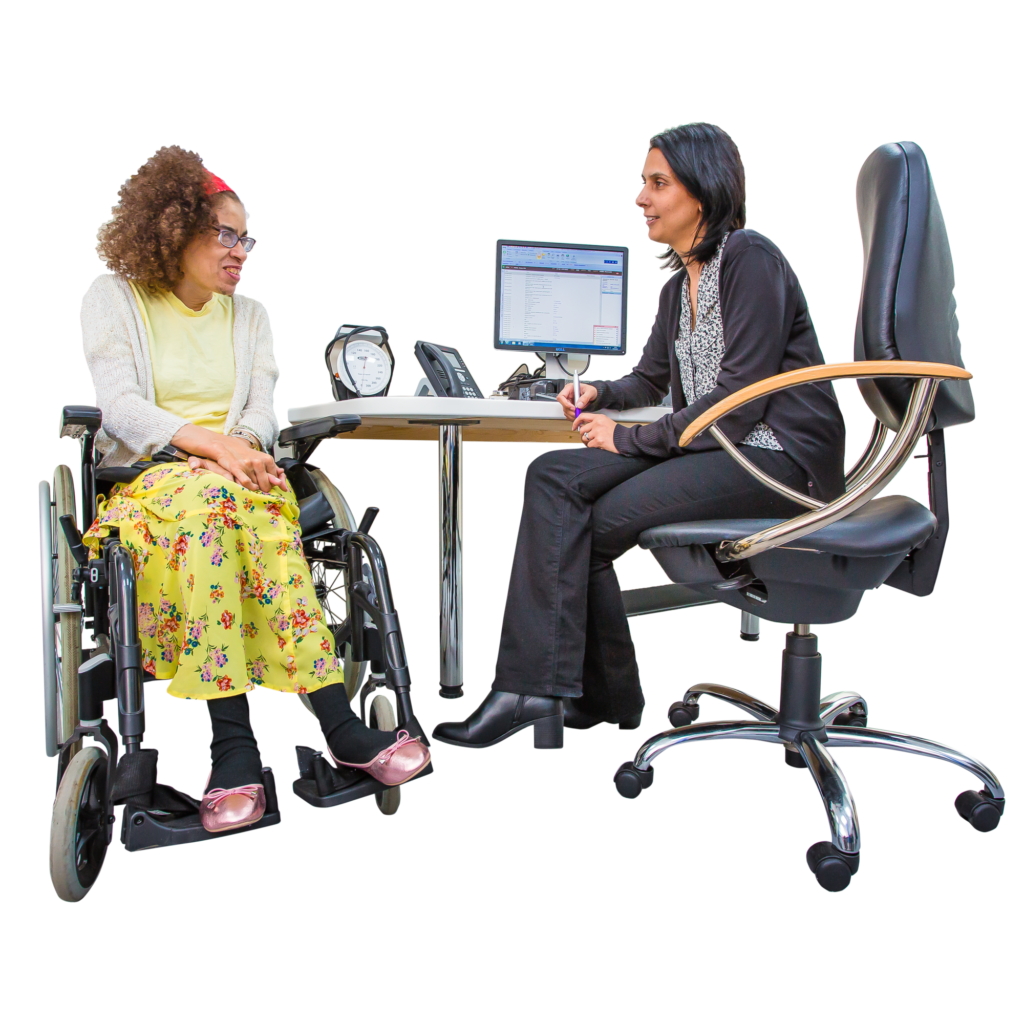
It can be difficult to cope with and focus on
- our disability and health needs at the same time
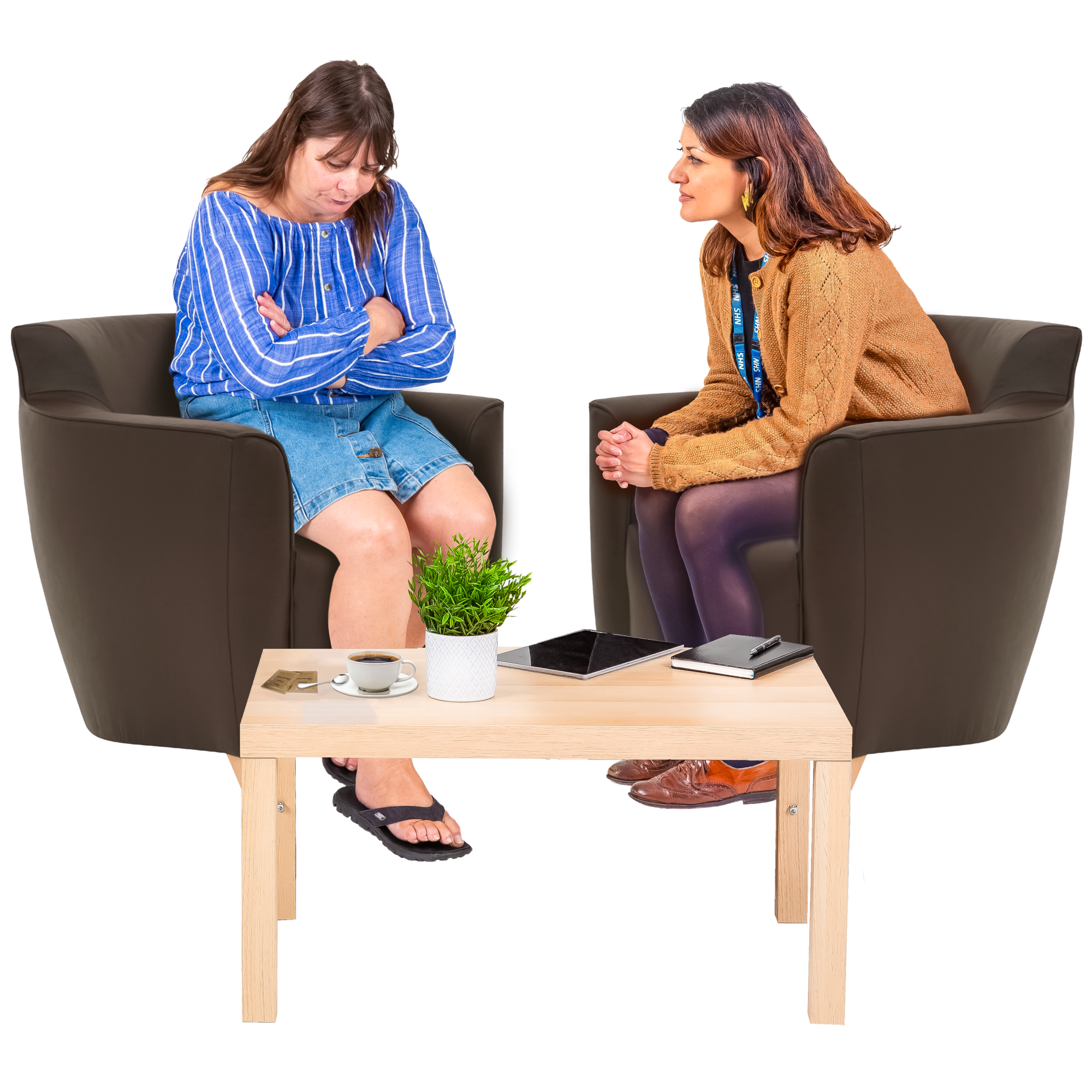
These struggles to deal with health care and disability needs
- can start mental health issues.
This is because it can cause stress and anxiety.
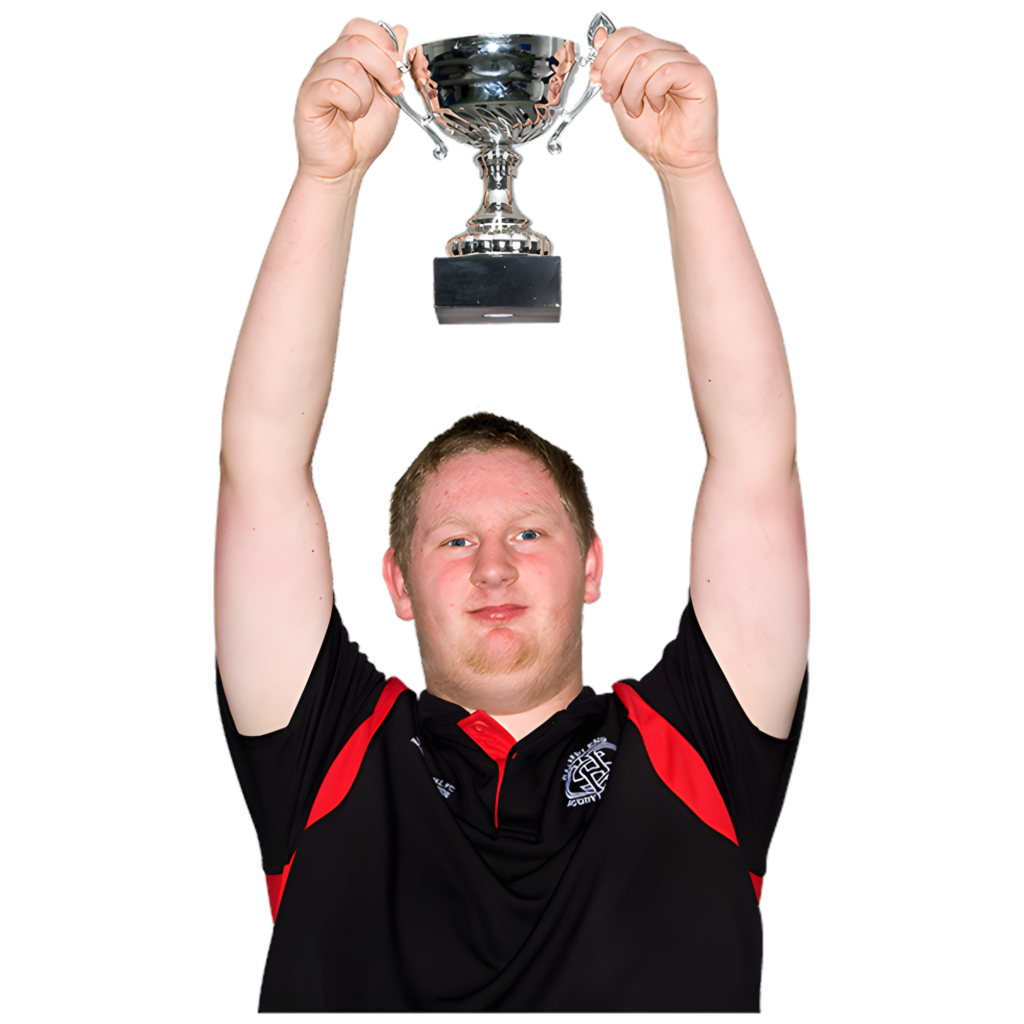
Our success can be seen
We can succeed in many areas of life.
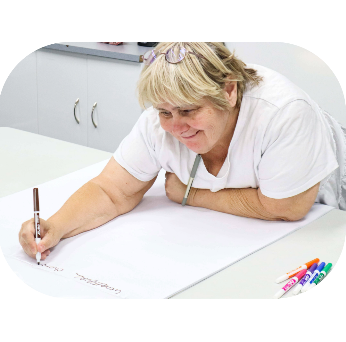
For example many of us can:
- study and do well at school
- get jobs and very good careers
- start and run sucessful businesses
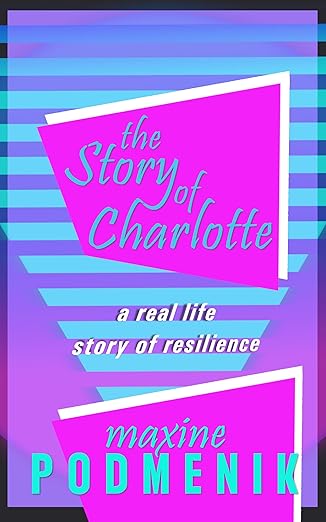
Maxine said: “I have a business by writing my book
and have sold 36 copies already.”
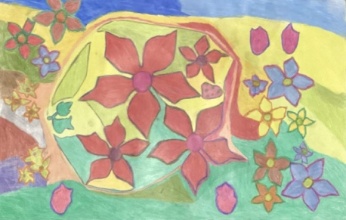
“I have a business with my drawing and different types
of artwork. I have already sold 29 products.” Mark
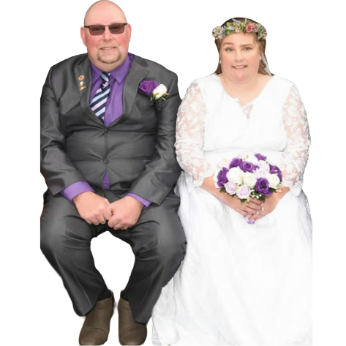
Many of us
- can get married
Tammy said: “I love being married to my husband and
my husband is a great support to me.”
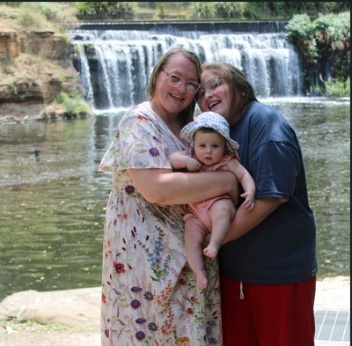
Many of us
- raise children
“I am a proud mum of 2 beautiful and kind loving children.” Skie
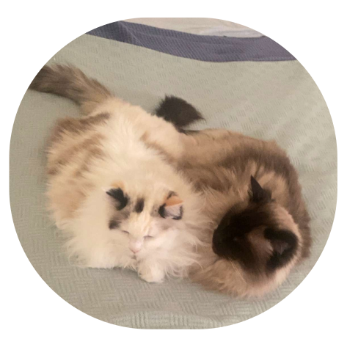
Many of us
- live by ourselves
Larissa said: “Proud to be living by myself and two ragdoll cats.”
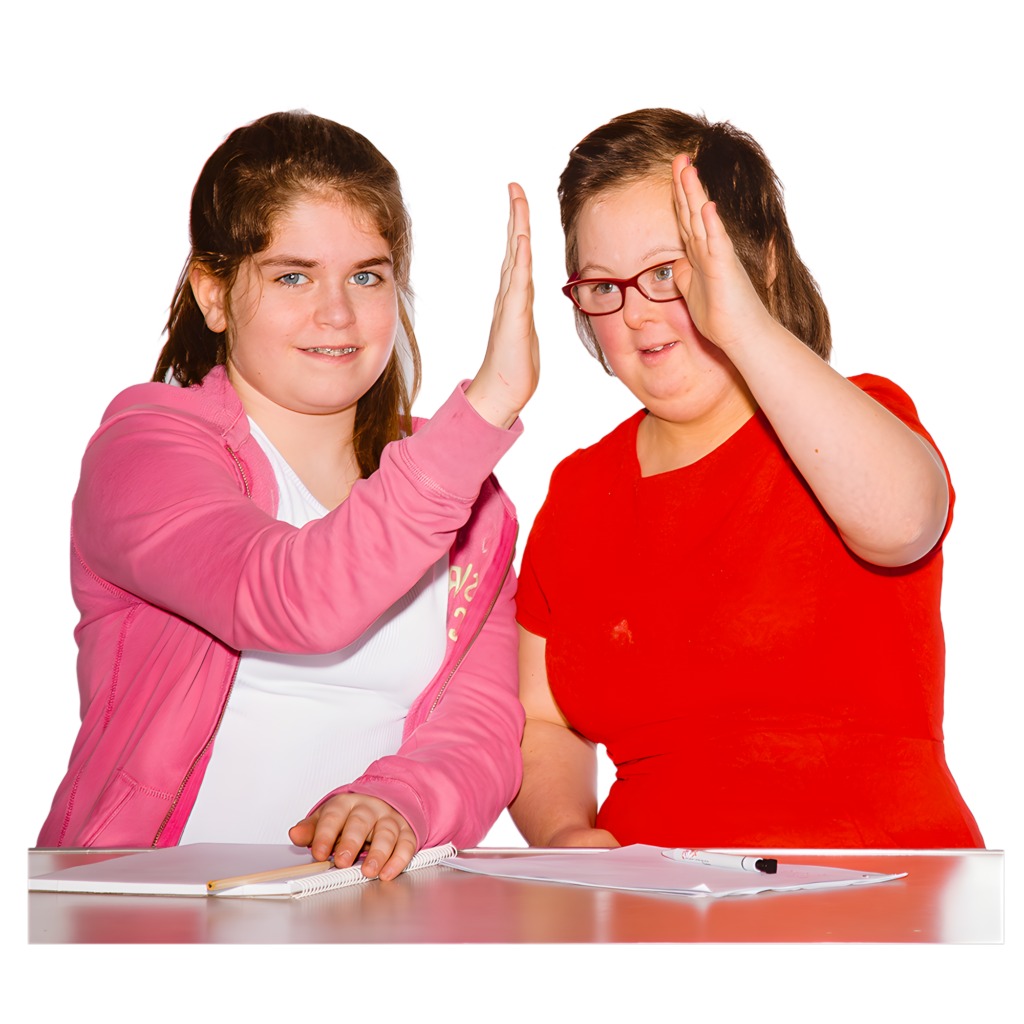
Many of us
- prove people wrong when given chances
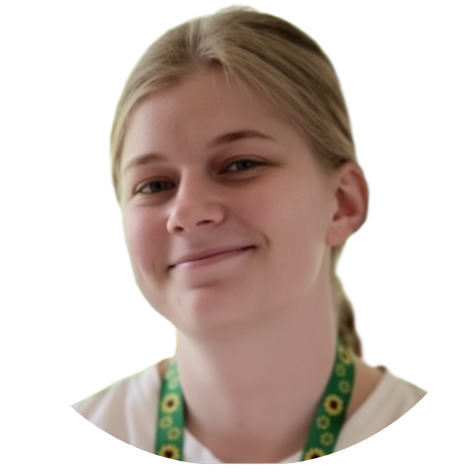
Sam: “I always wanted to be a teacher but thought my disability made it impossible,
But now I co-teach future and current teachers at university.”
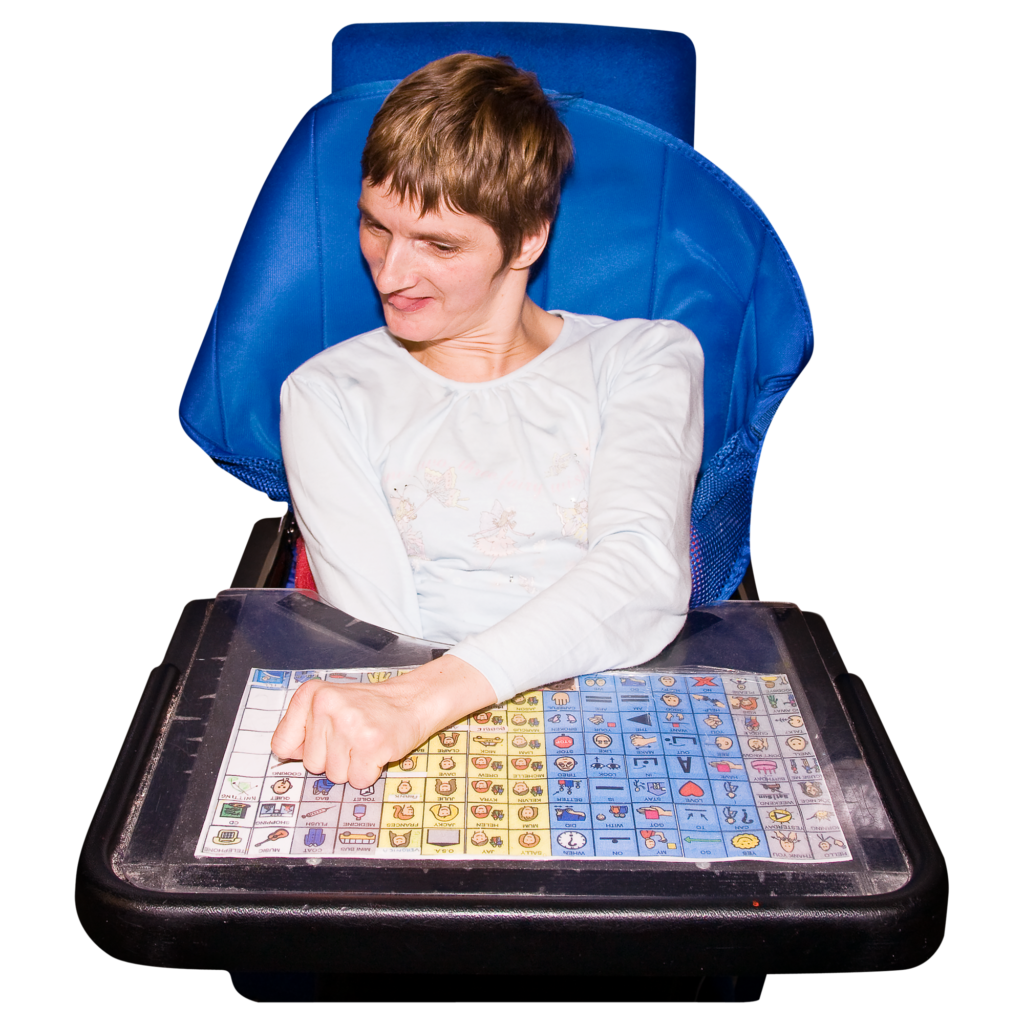
Many of us
- communicate without words
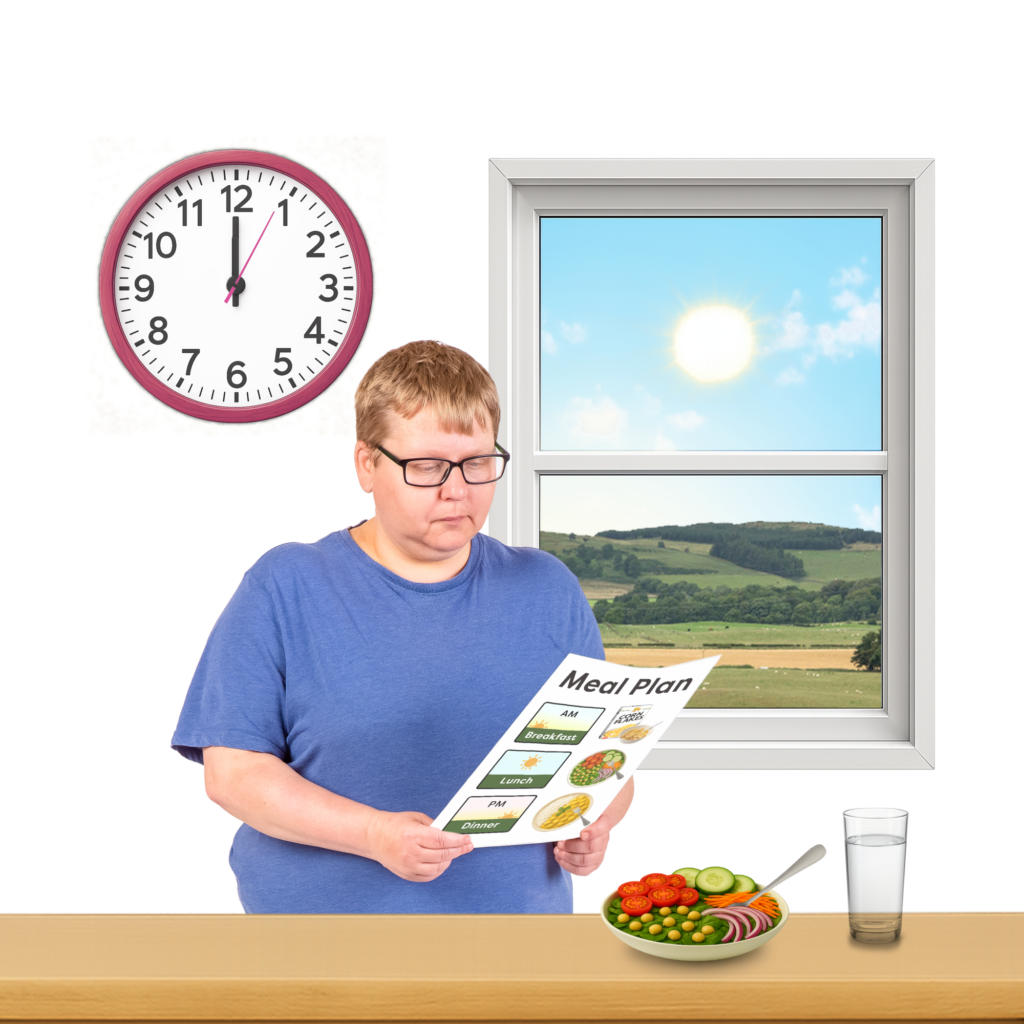
We can do many everyday things
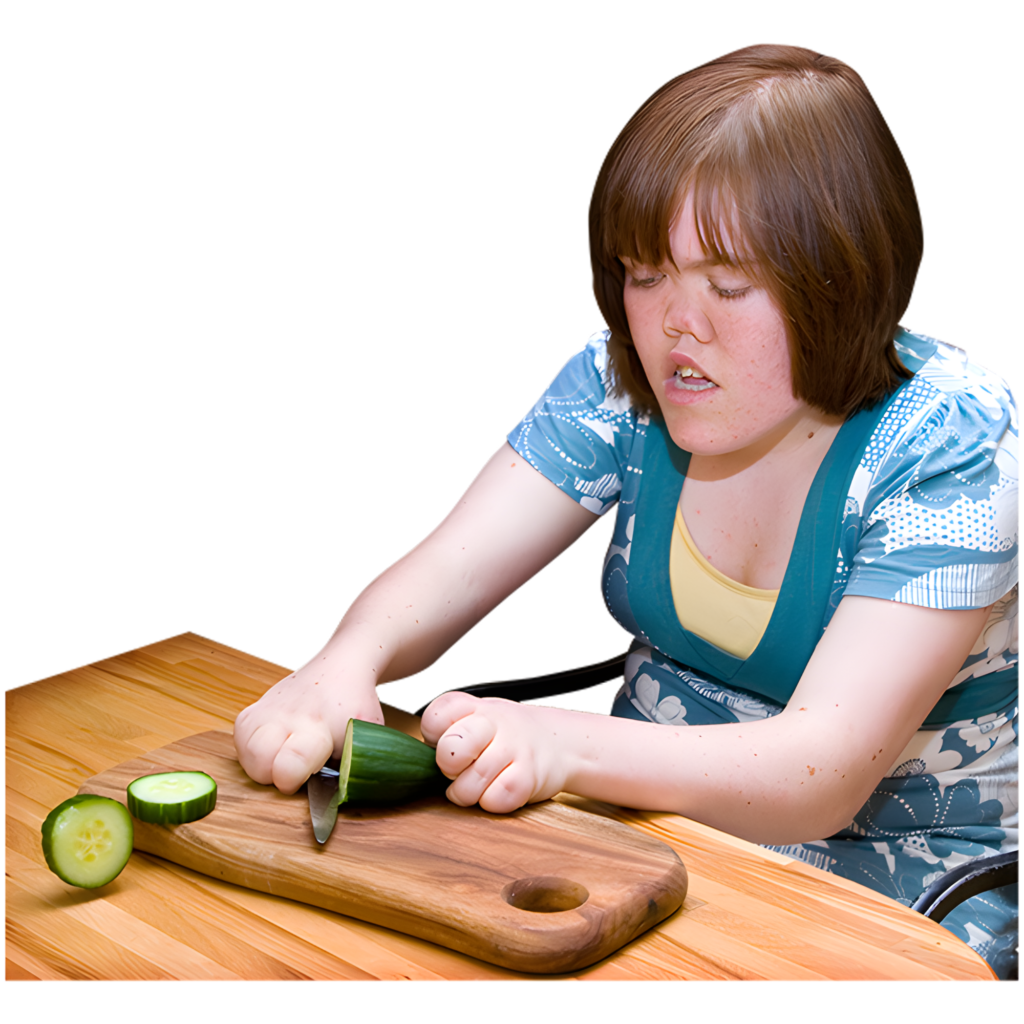
We
- shop for ourselves and our family
- cook
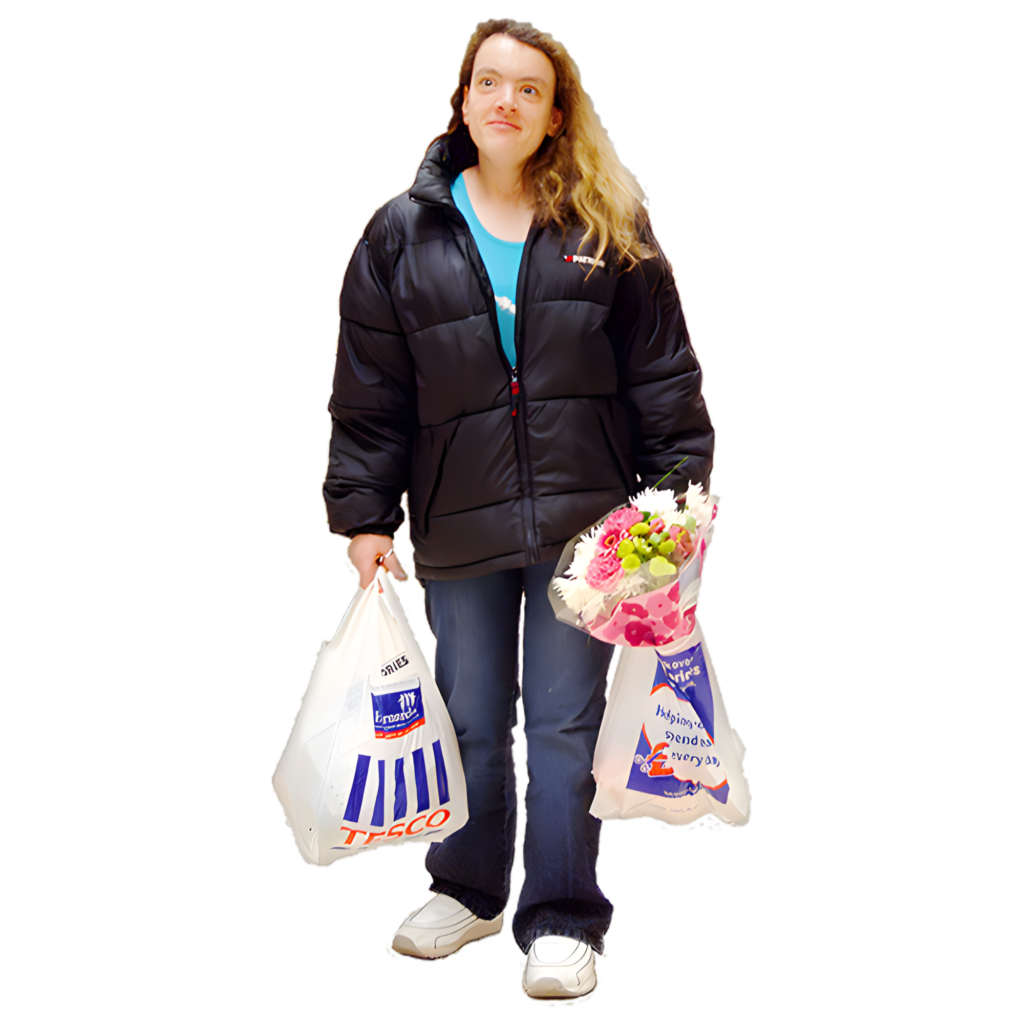
- travel
- work
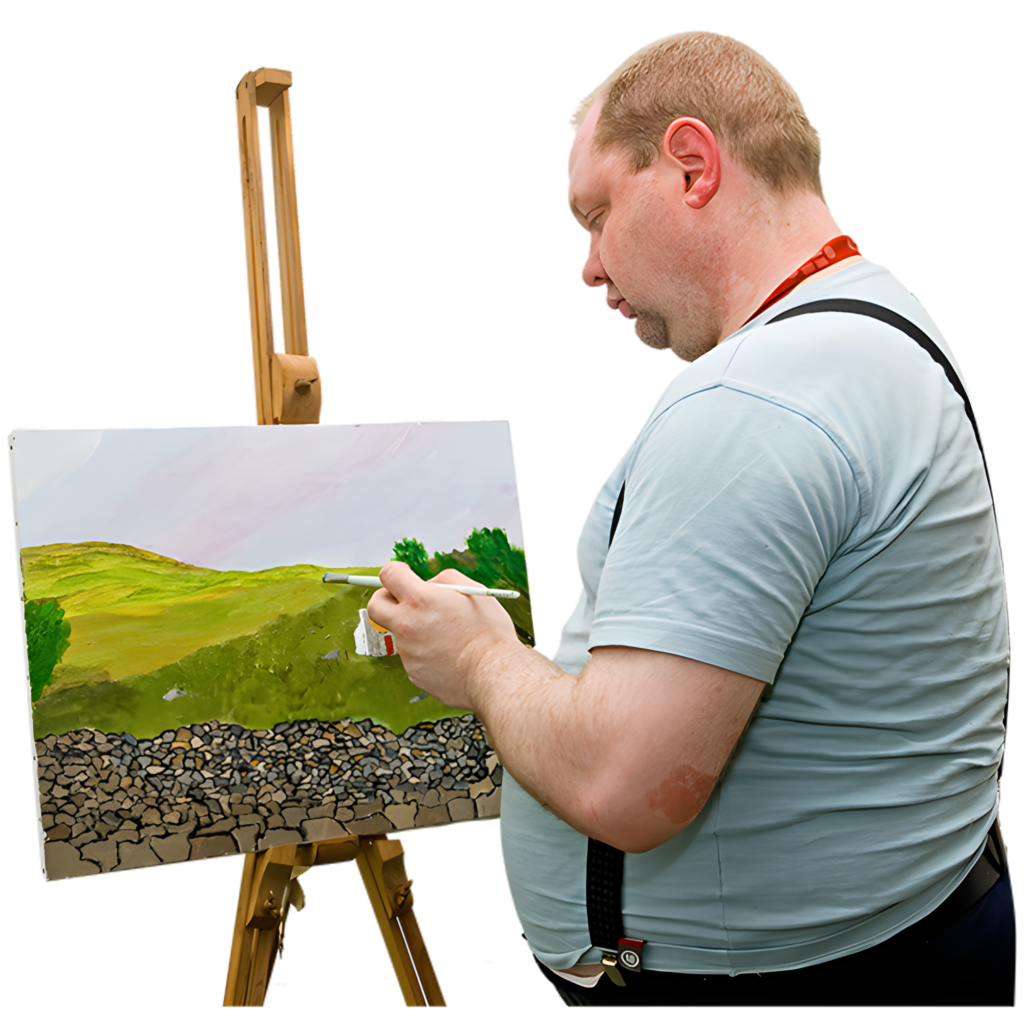
- study
- enjoy hobbies
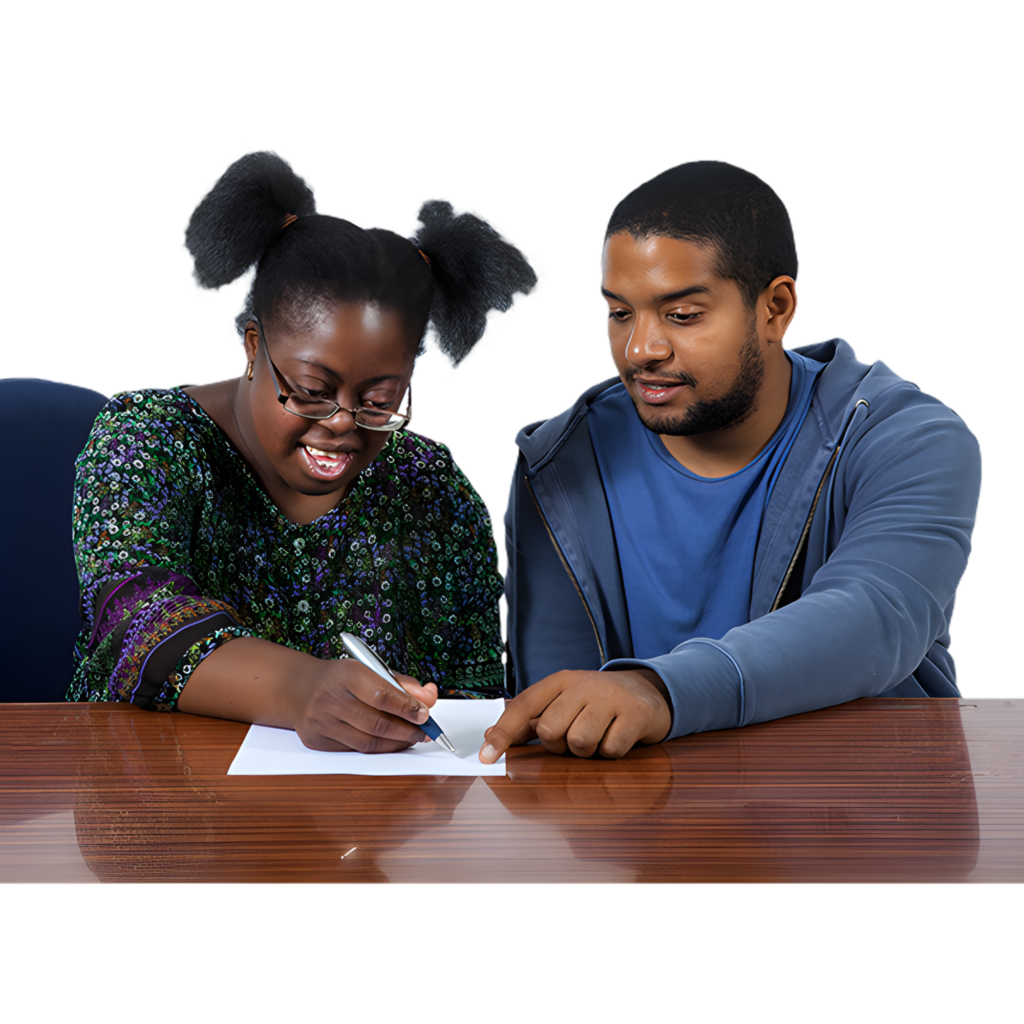
We can have different ways to learn
We may need more time to learn new things
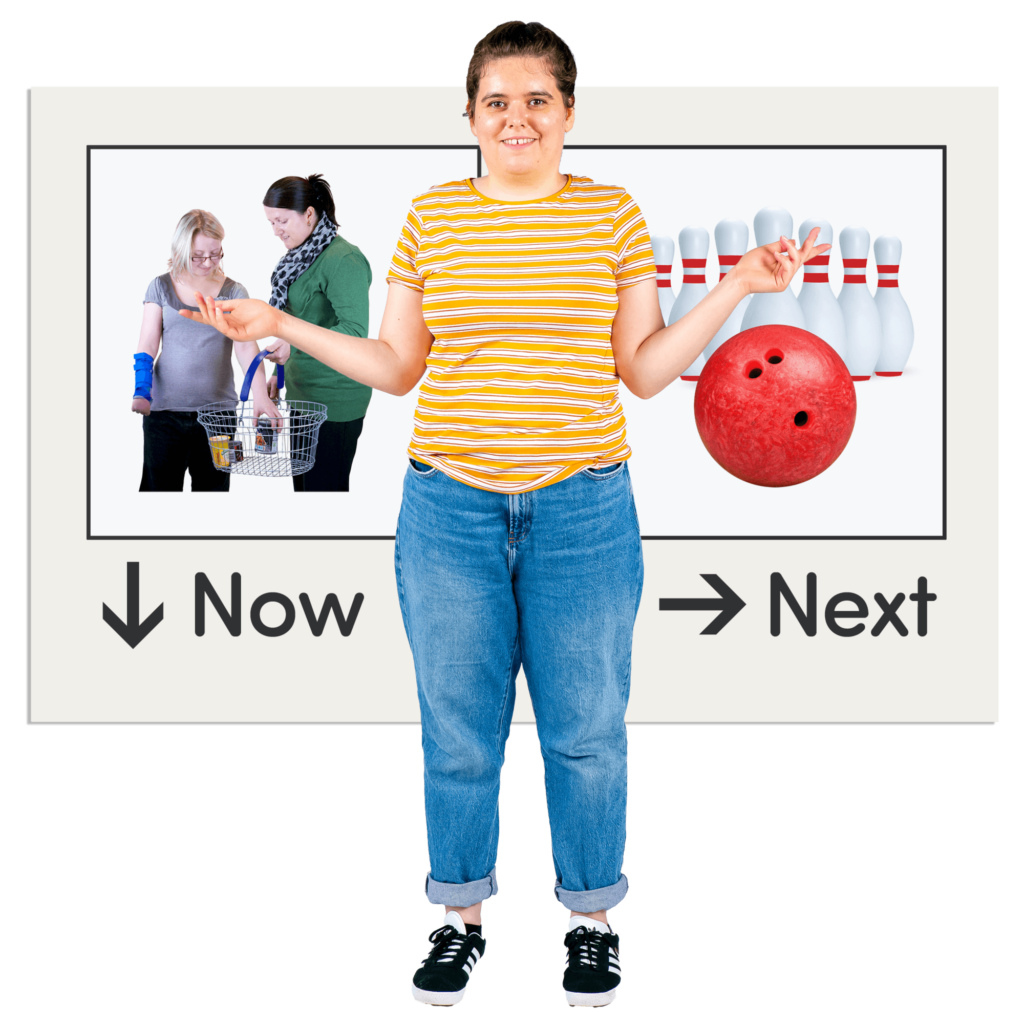
We can make choices about our daily life
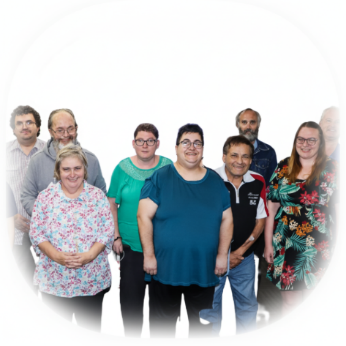
Success can look different for everyone.
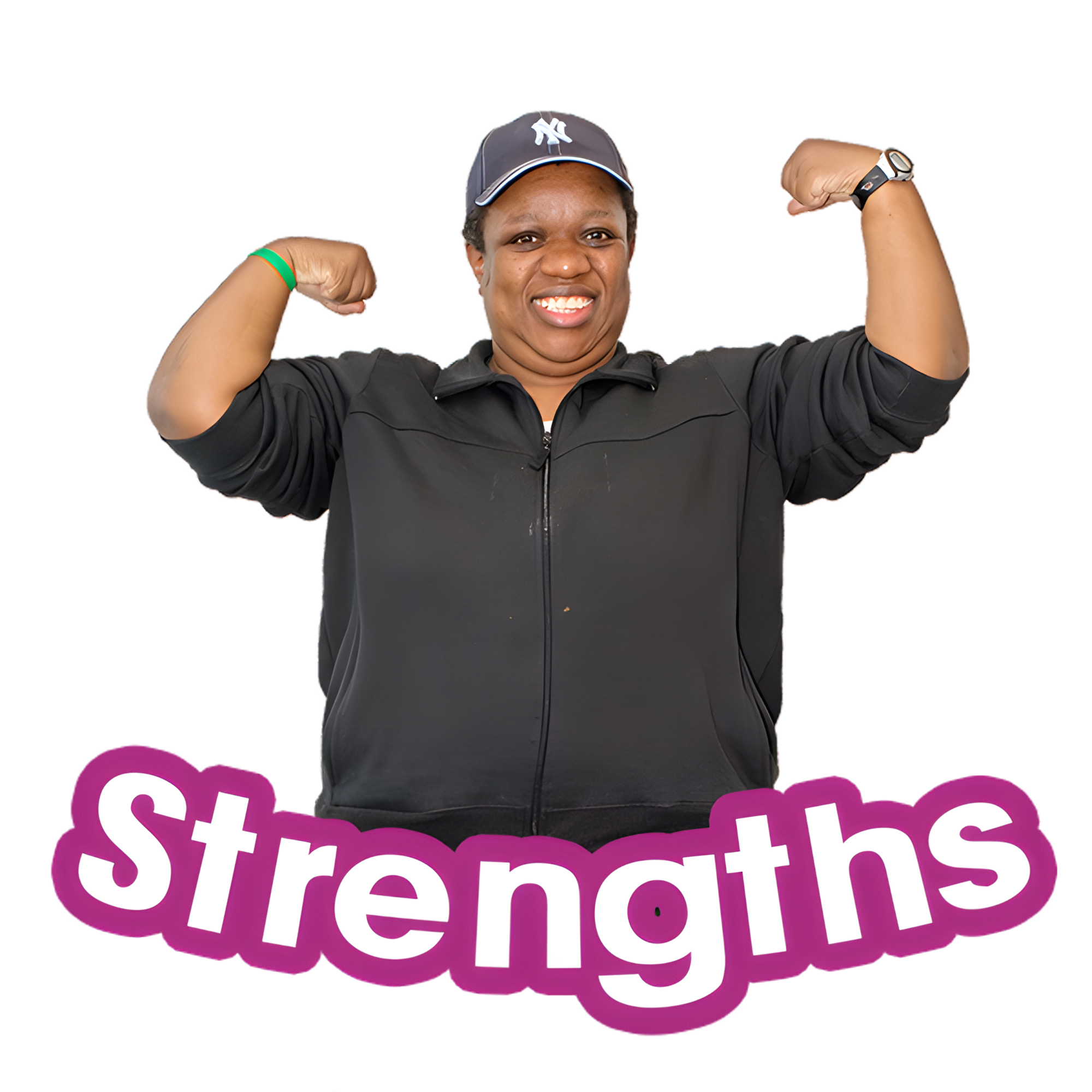
Strengths
We have different strengths like
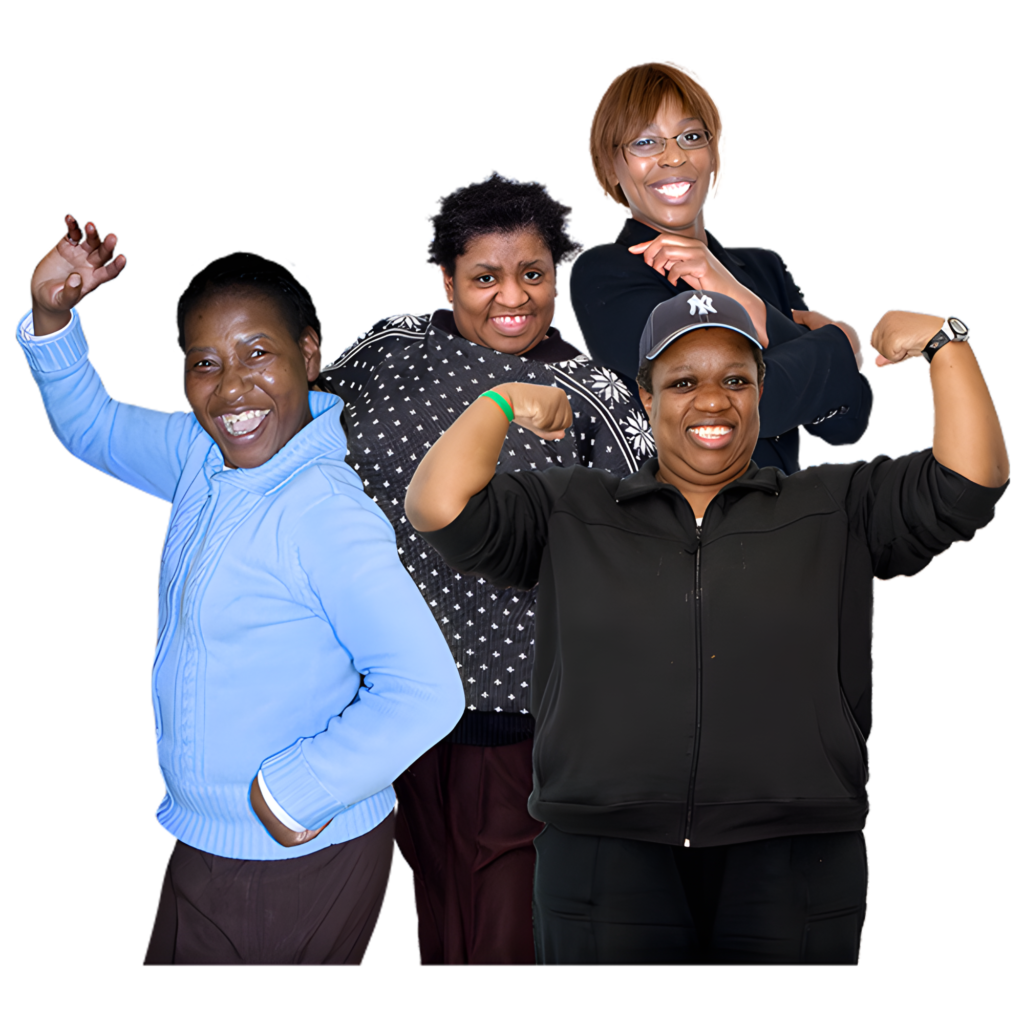
- strength to keep on going
- will power
- being creative
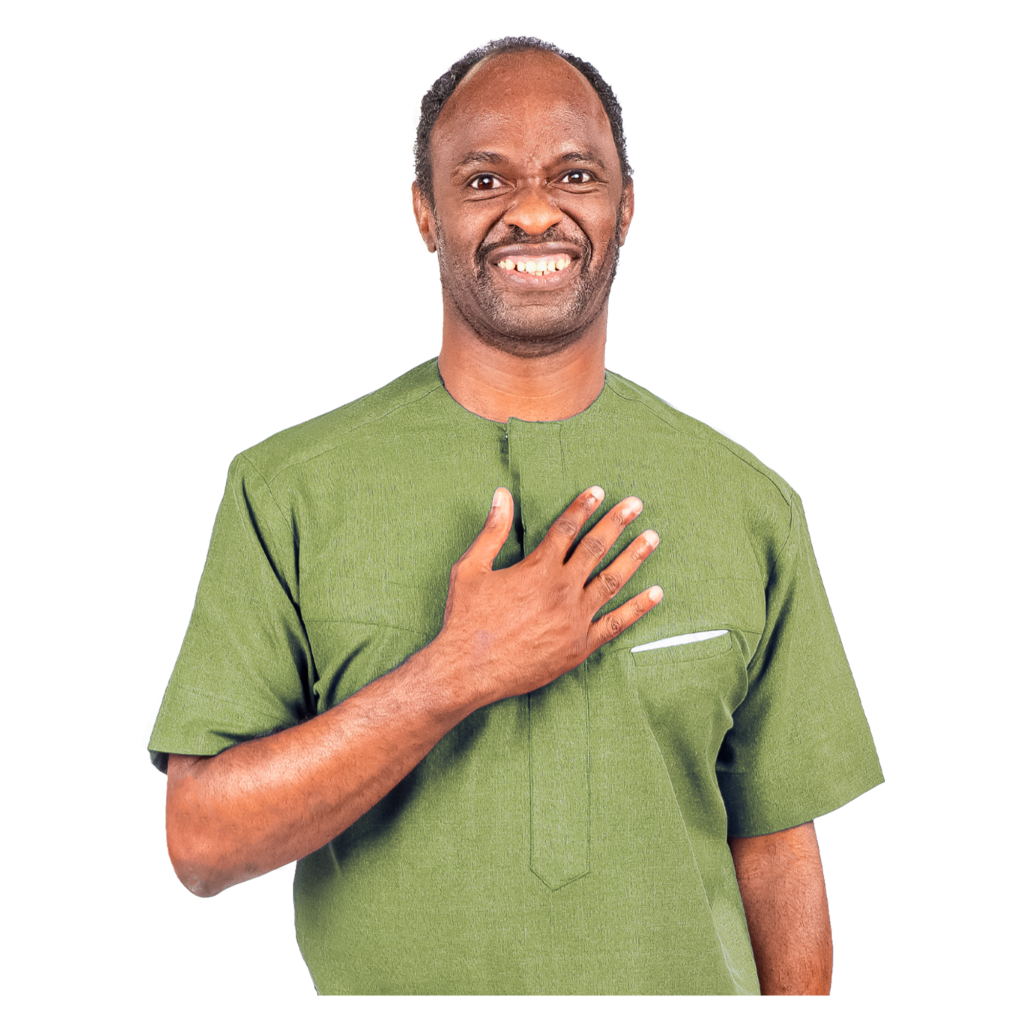
- honesty
- kindness
- and a sense of humor
We are able to think in different ways
We have strong values

We feel deeply for others
- because we had bad experiences
We do not want others to feel that way
We need chances to show what we can do
With person-centred support and chances
- we can reach our goals.
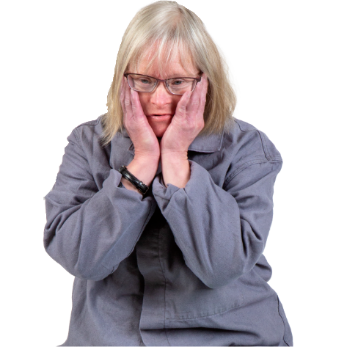
Struggles
We have different struggles
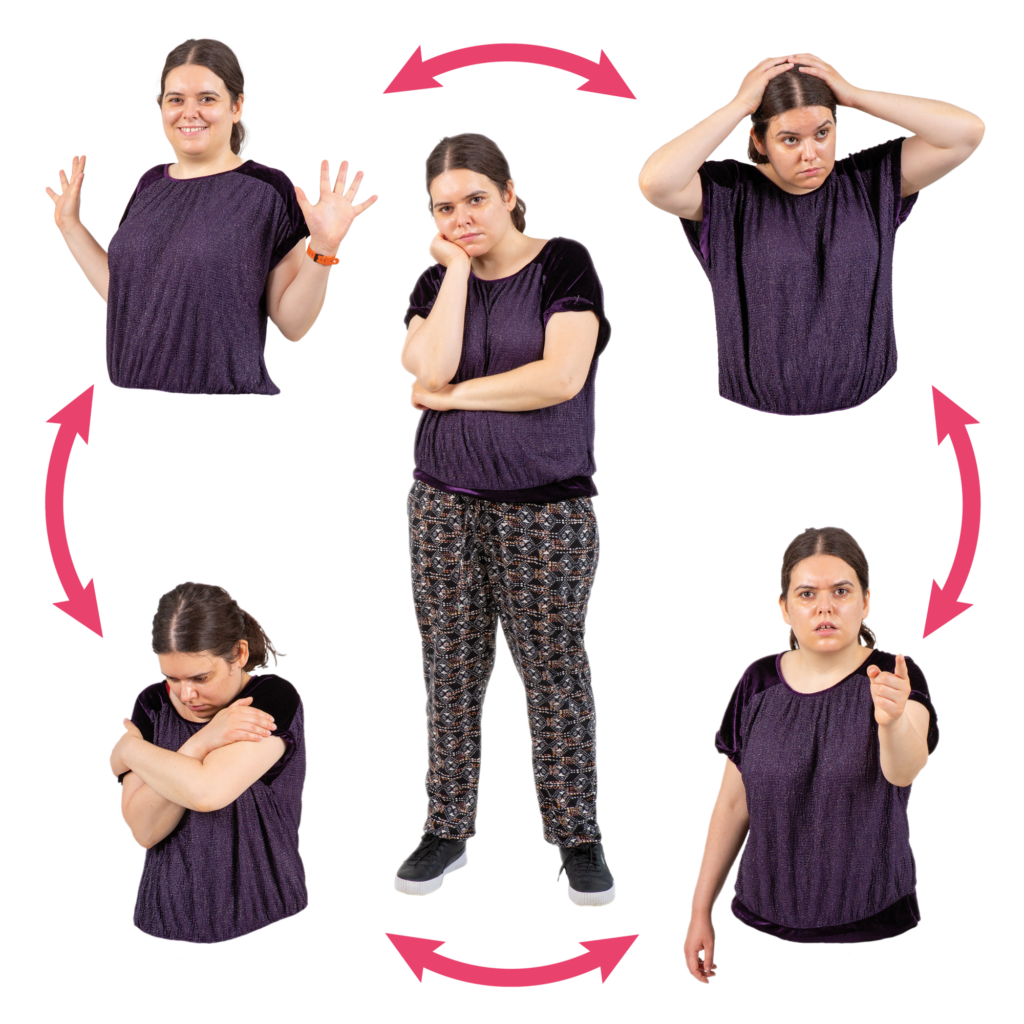
These struggles can range from low to very high
These can change in levels but are always there
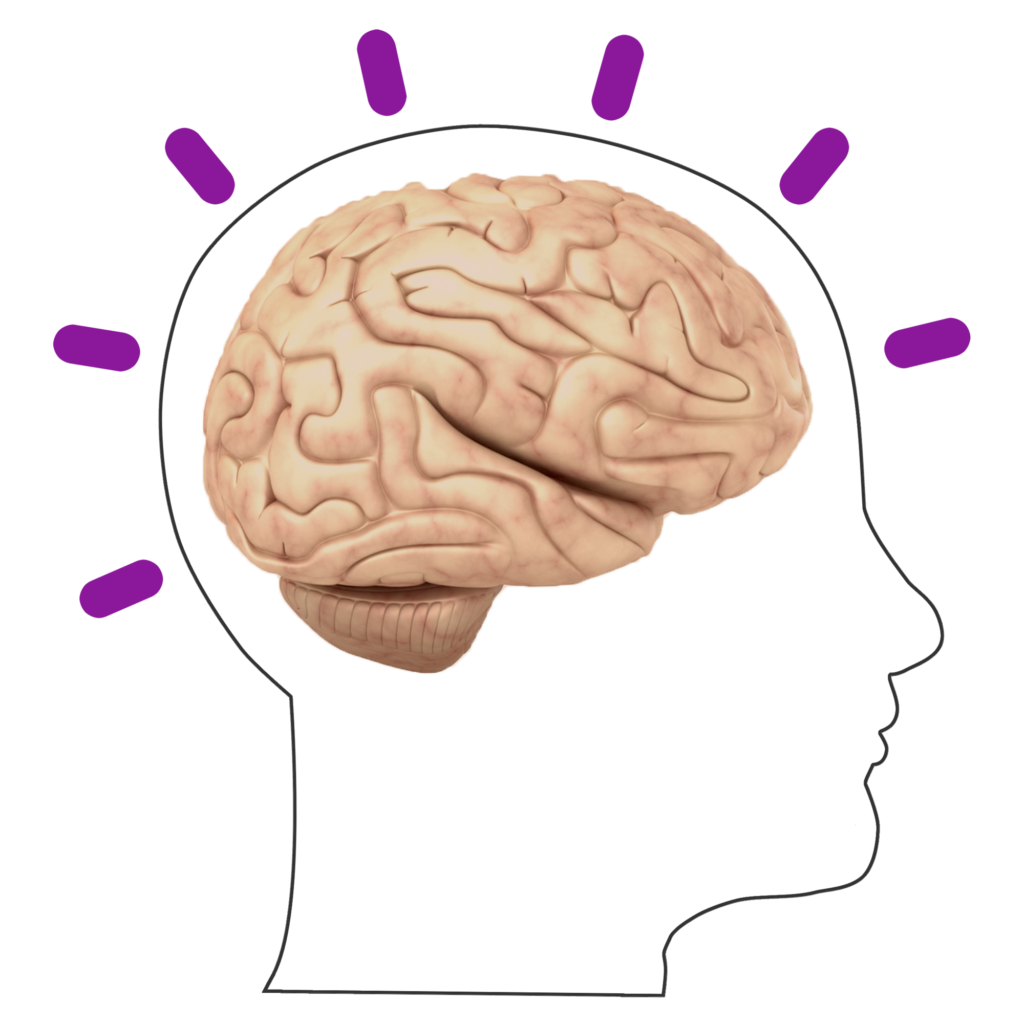
Struggles can be caused by intellectual disability
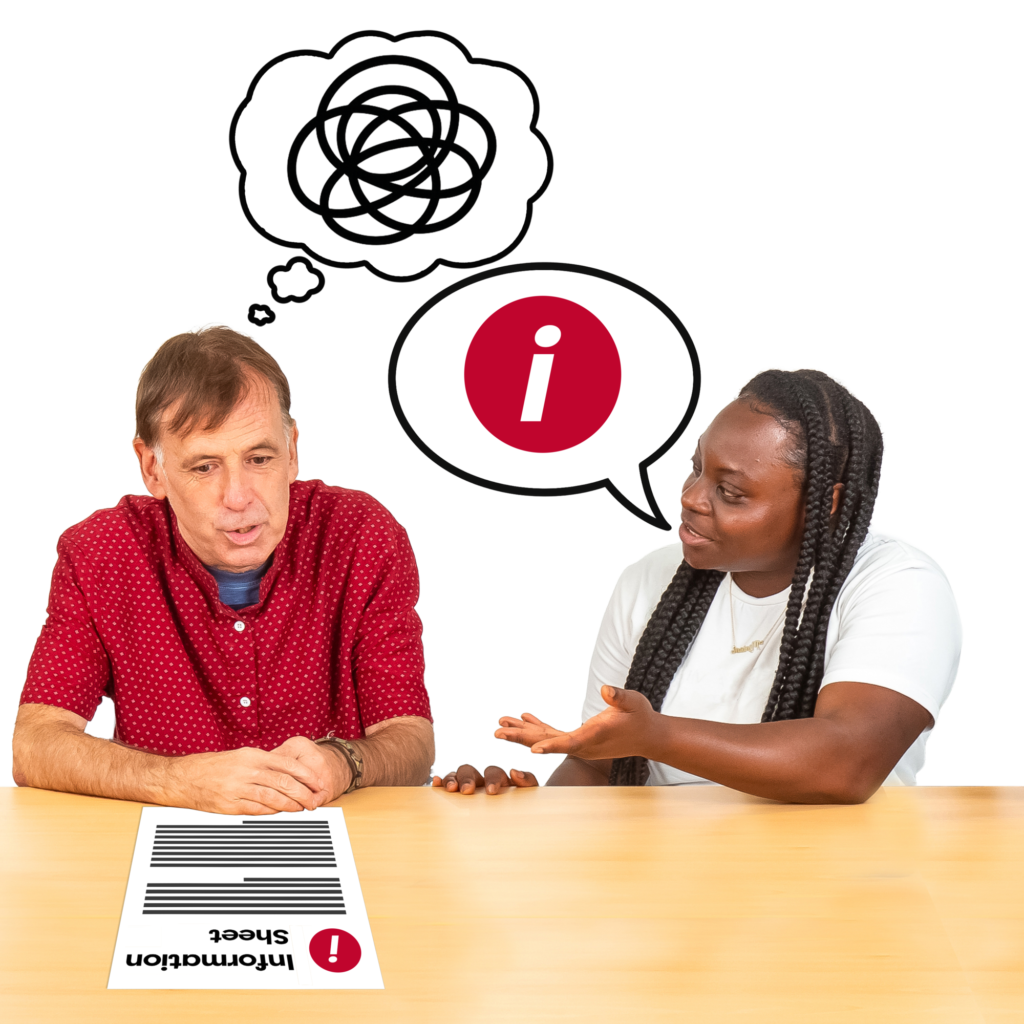
Struggles caused by intellectual disability can be:
- communication
- social skills like meeting new people

- memory
- understanding

- money skills
- maths skills
- reading
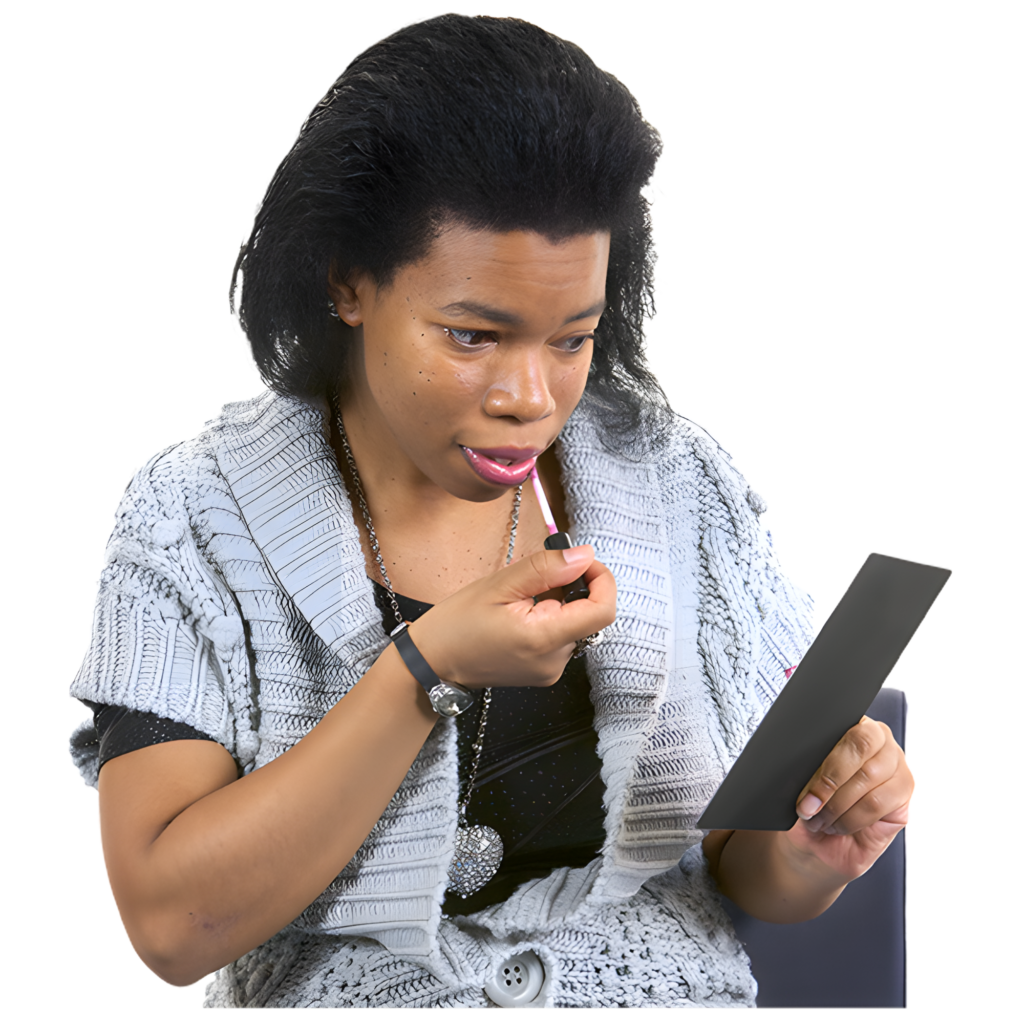
- writing
- self care
- movement skills
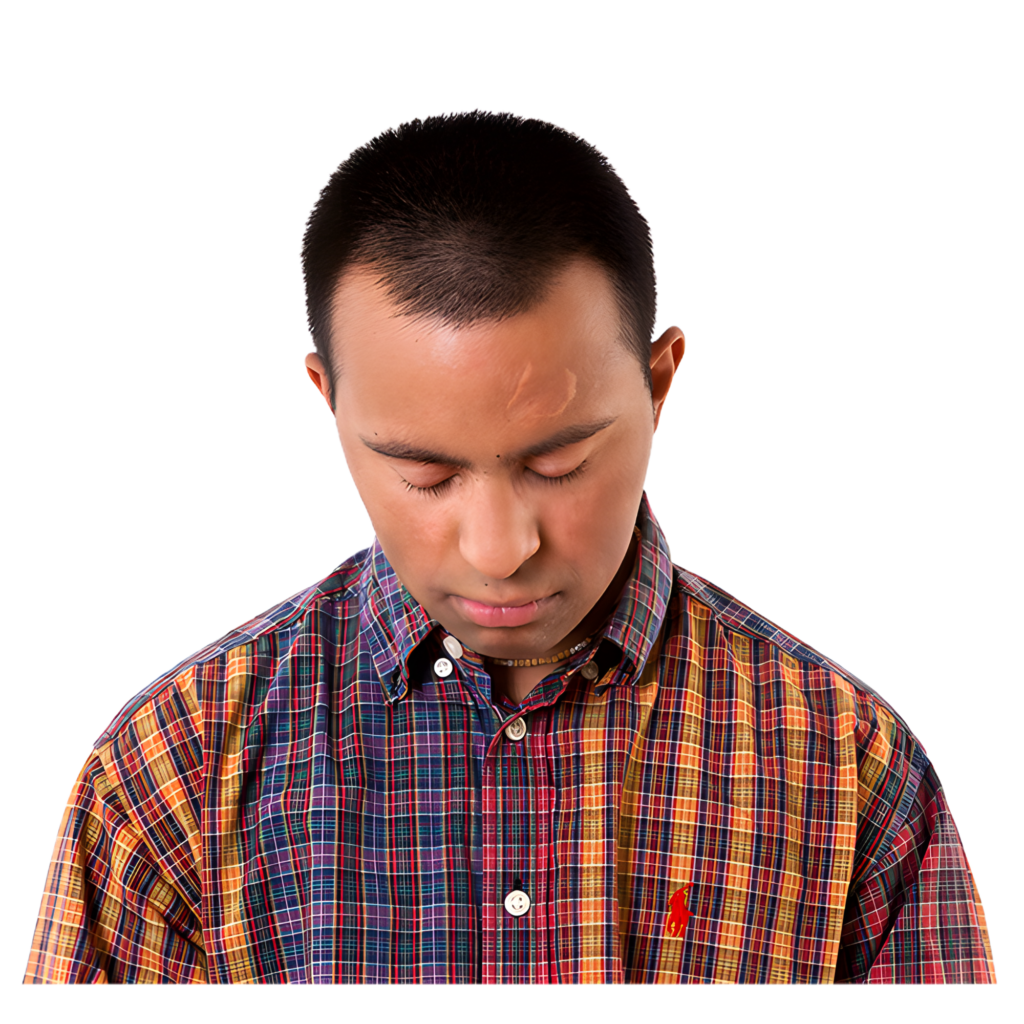
- emotional skills
- low confidence
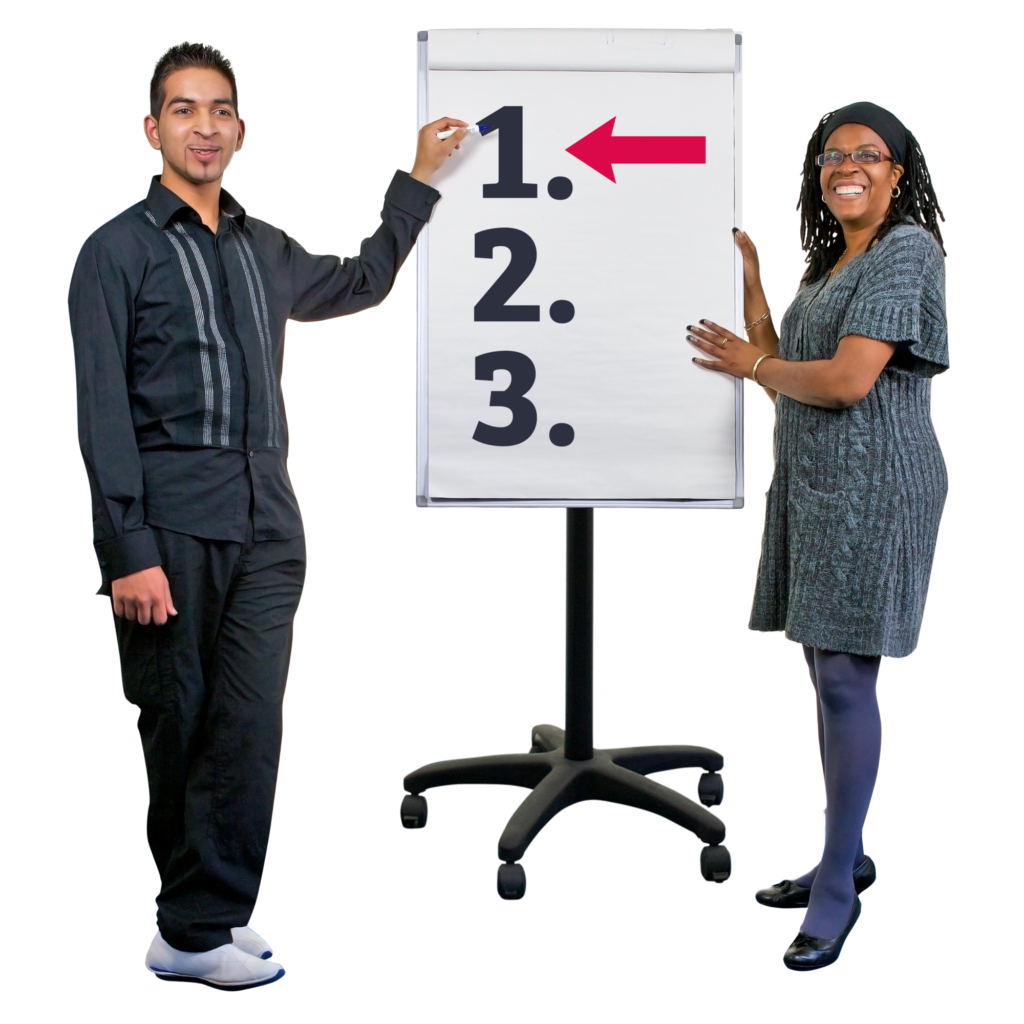
We can also find doing big tasks hard
- and it can help to do it step by step
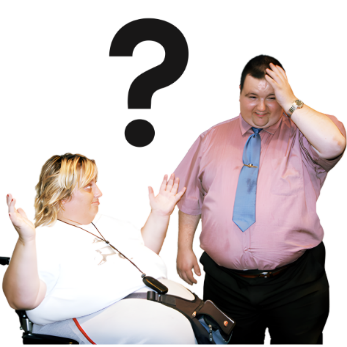
We can also struggle to:
- solve problems
- make choices
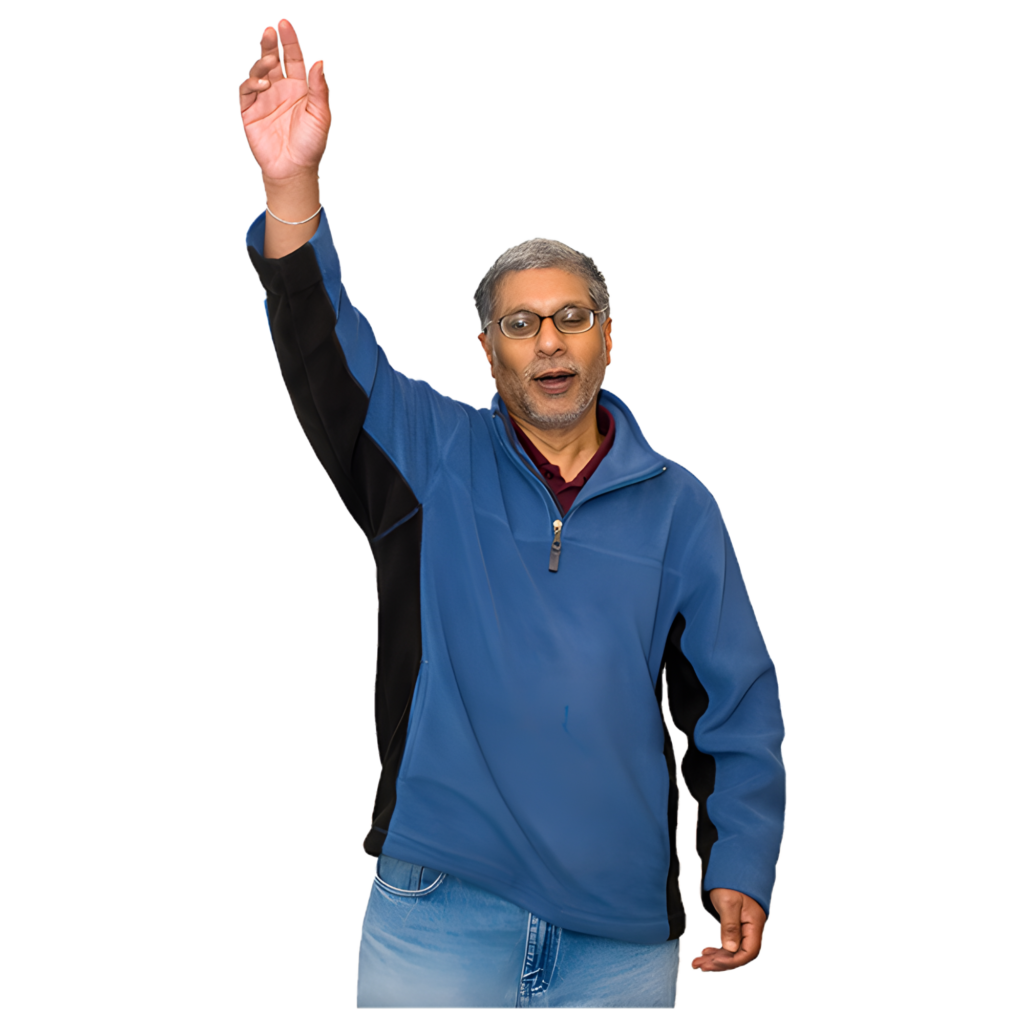
- speak up
- make complaints
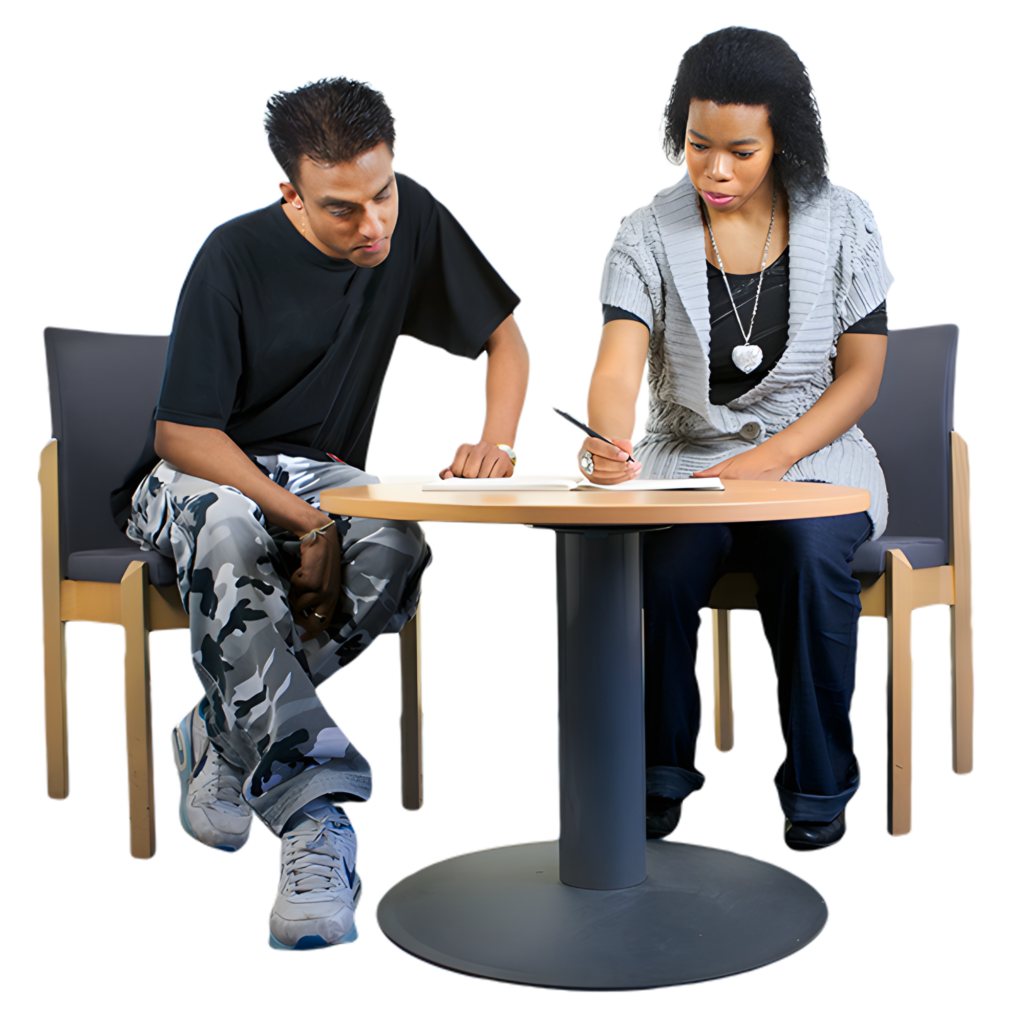
- control feelings
- do things without support
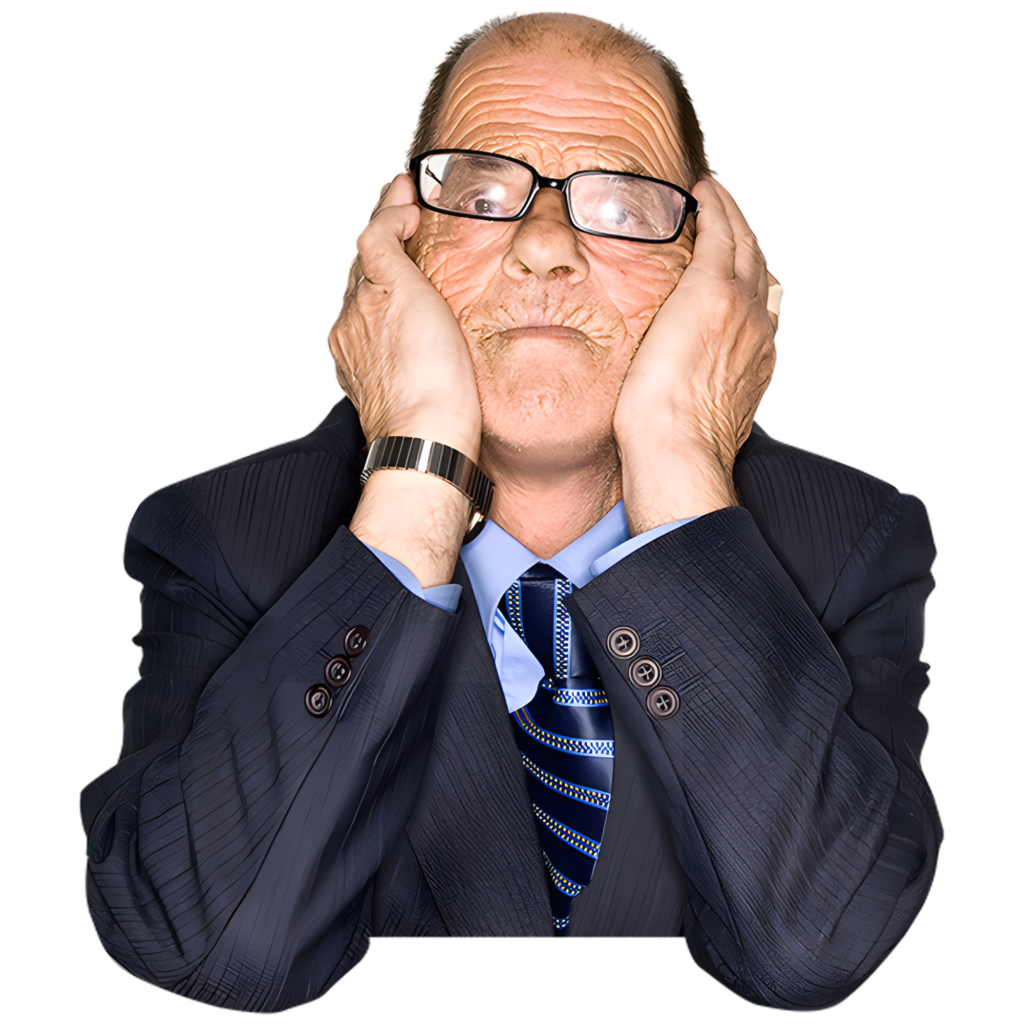
Reading about struggles can make you
- feel worried or stressed
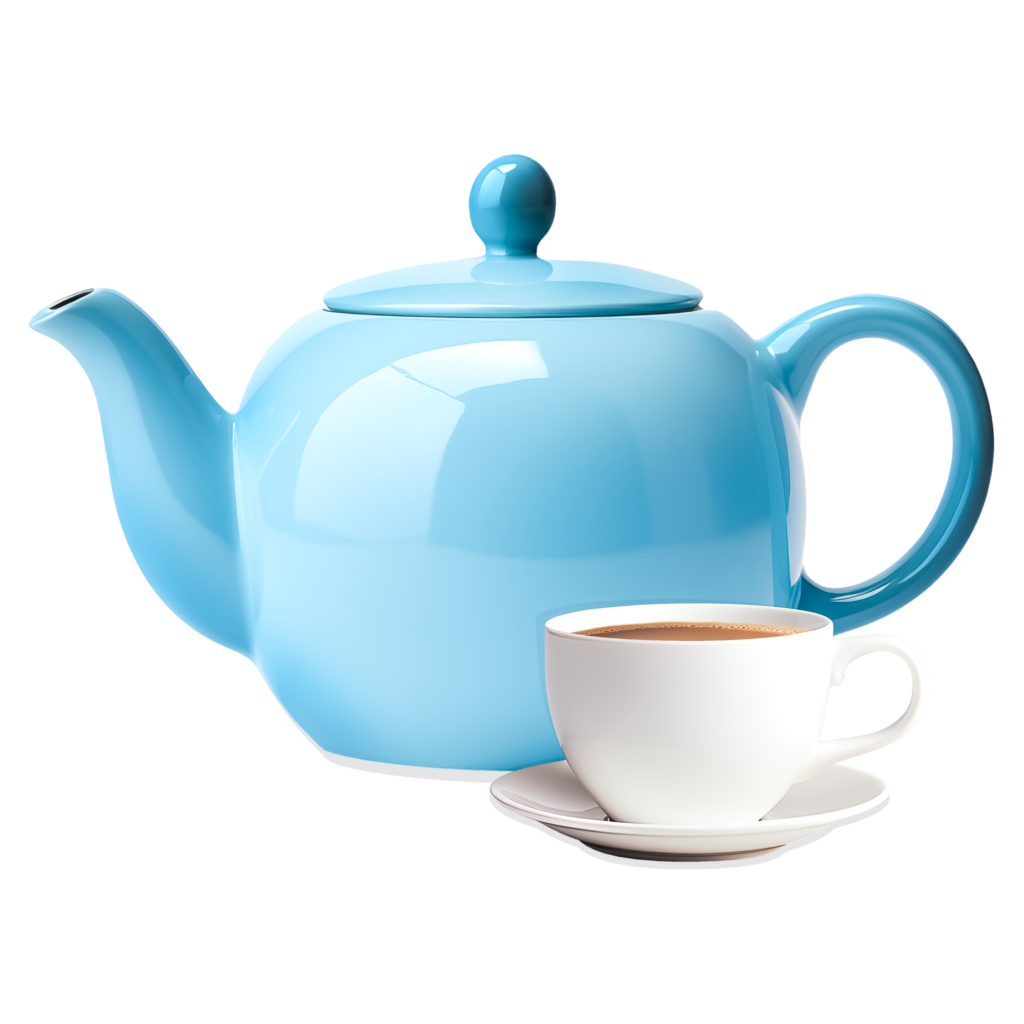
Take a moment to calm down
- drink a cup of tea
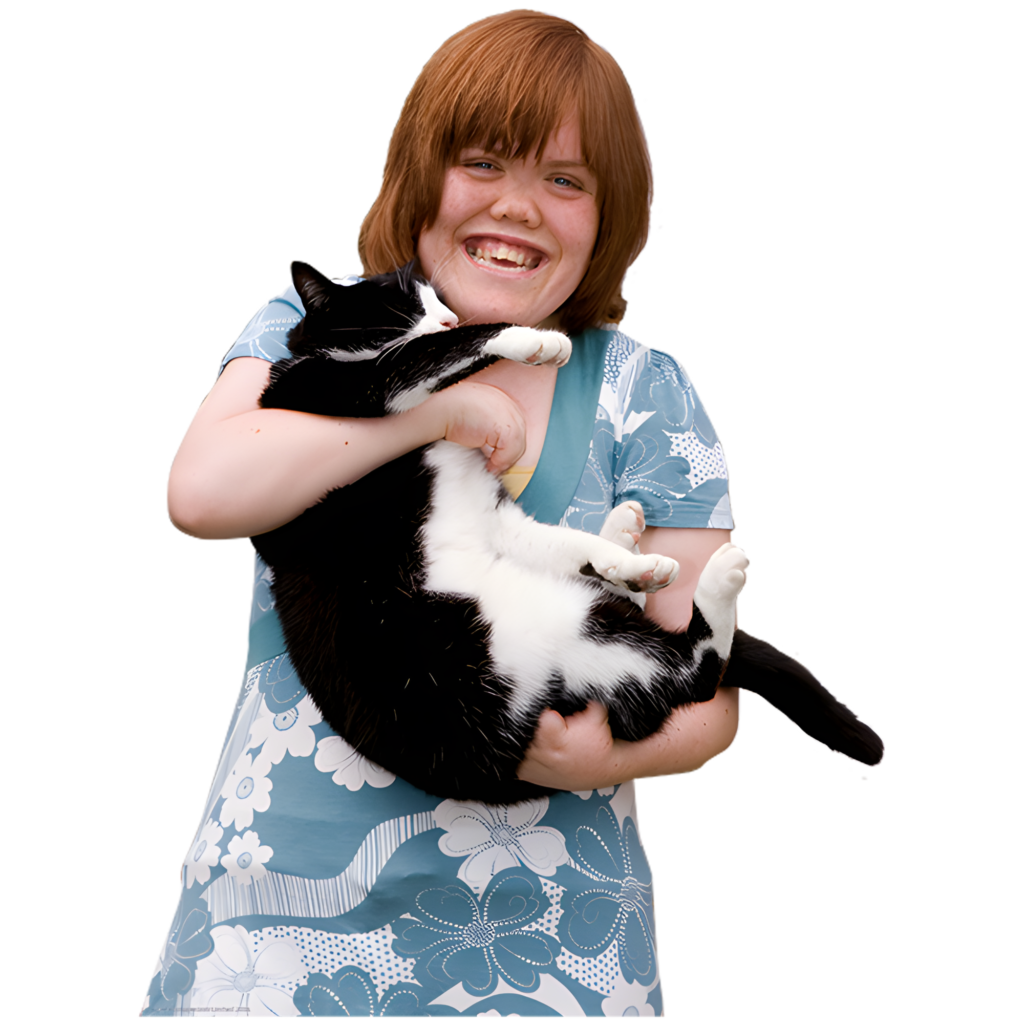
- do crafts
- cuddle your pet
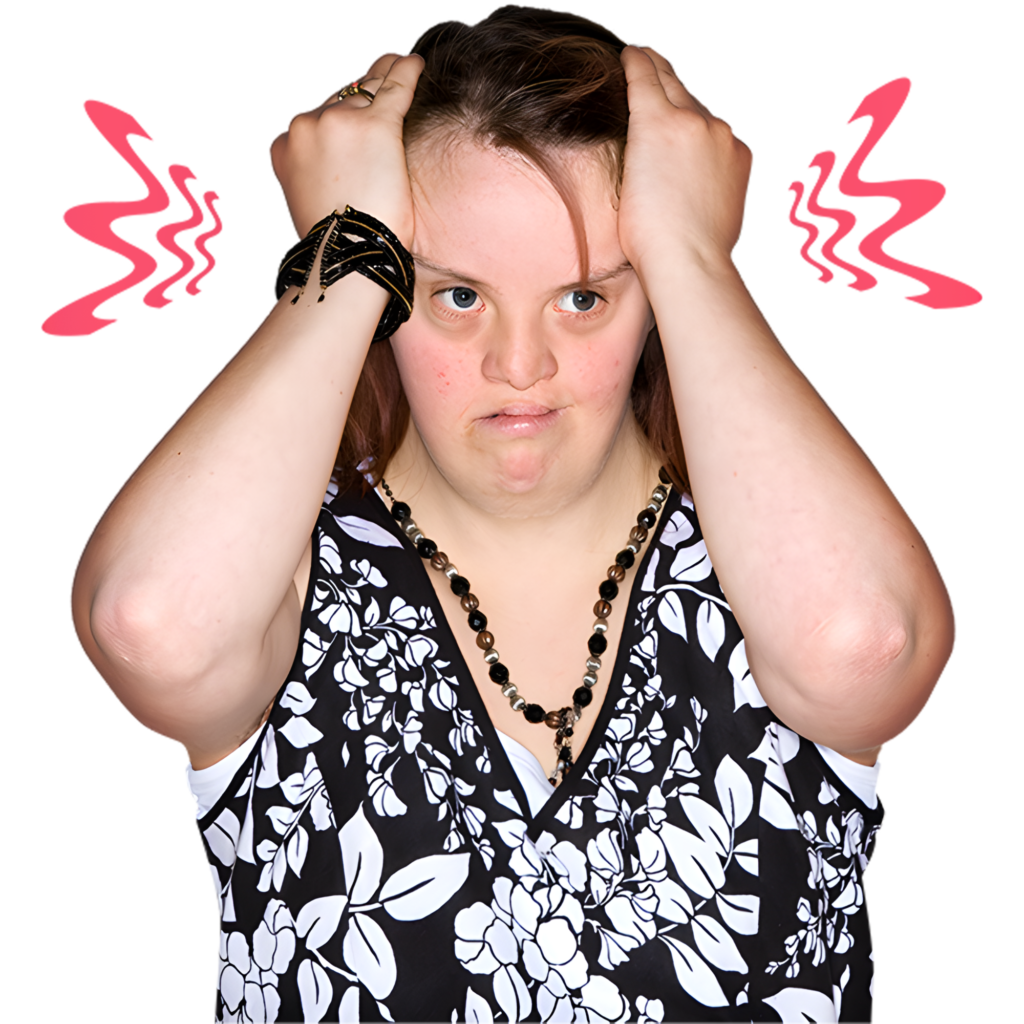
We now will continue talking about struggles
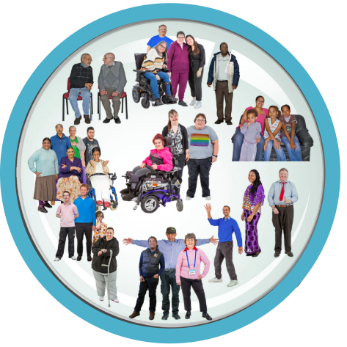
Struggles can also be caused by society
Society means other people in your community

Society can give us extra challenges and struggles
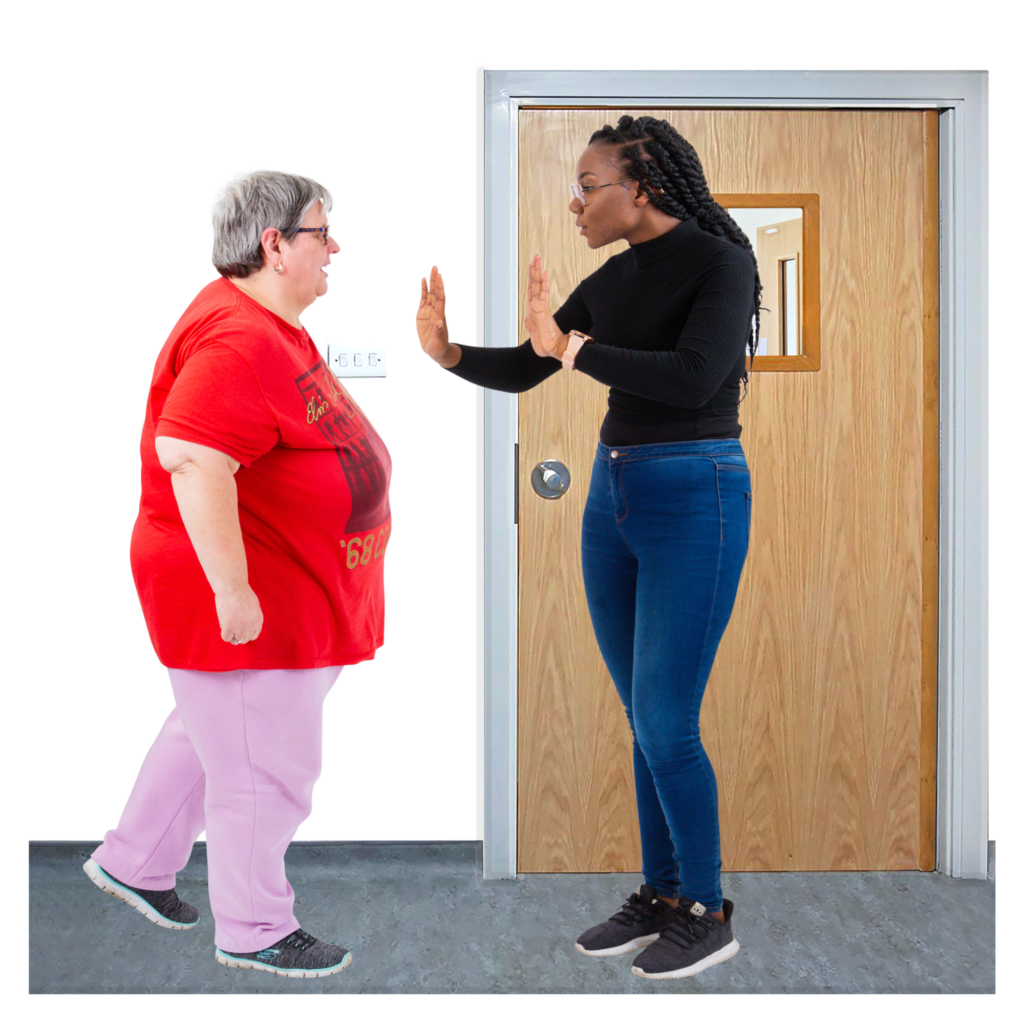
Struggles caused by society are called barriers
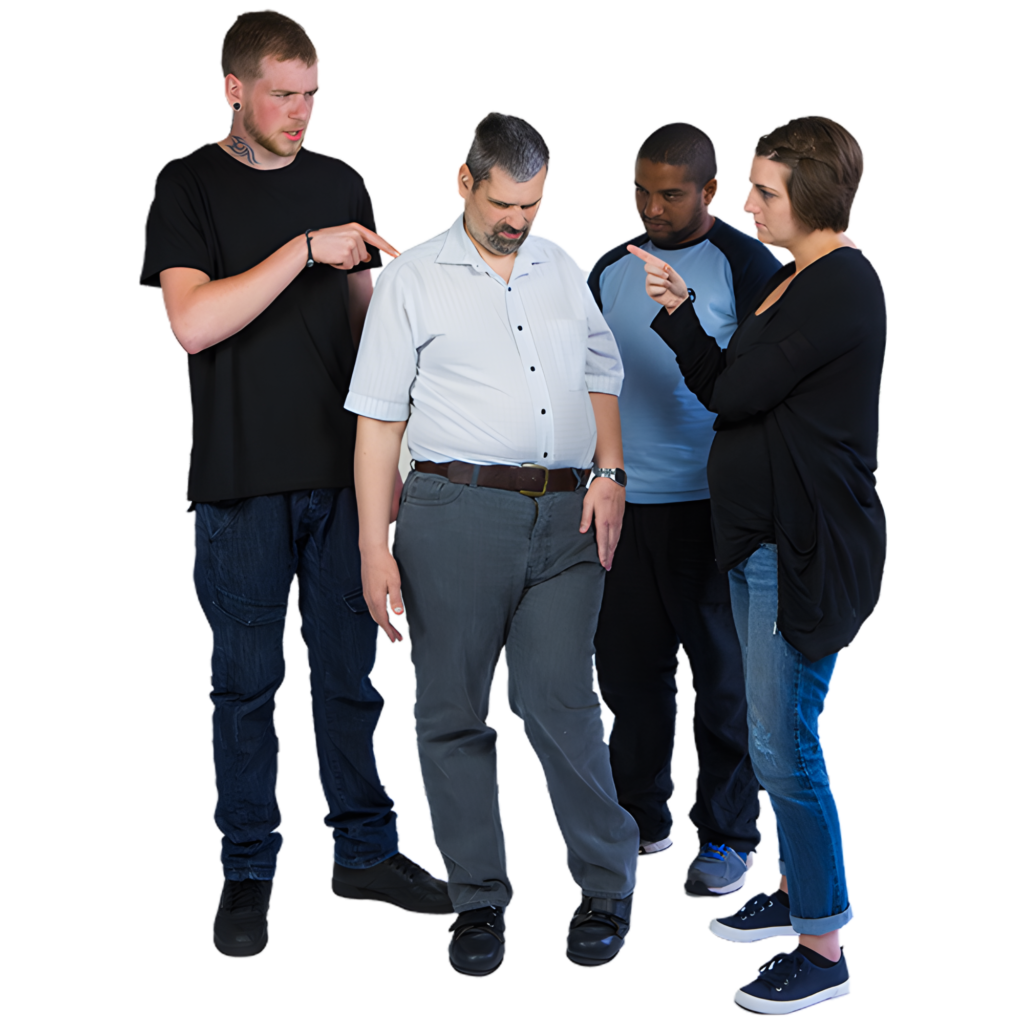
Society often sees people with intellectual disability
- in a negative way
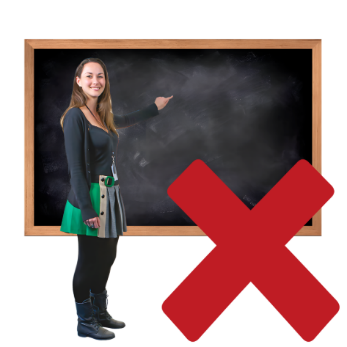
As a result we might not get a chance to:
- access education
- be employed
- learn life skills
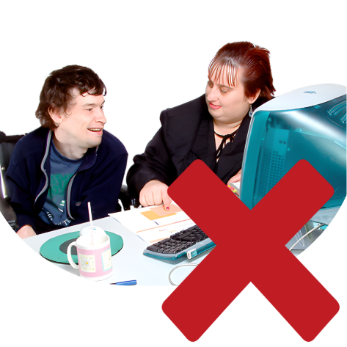
- fit into community
- access services
- fill in forms correctly
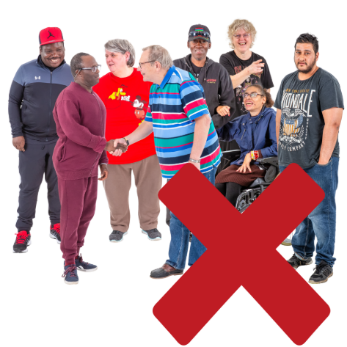
- get support from services to get government funding
- make friends
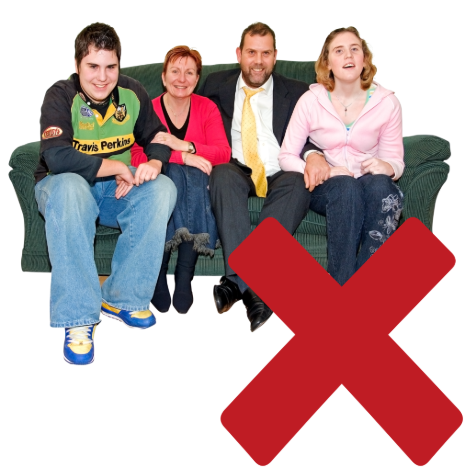
- have relationships
- have children
- engage in next steps of life

We often face discrimination

People often
- look down at us
- think we cannot do much
- judge us quickly
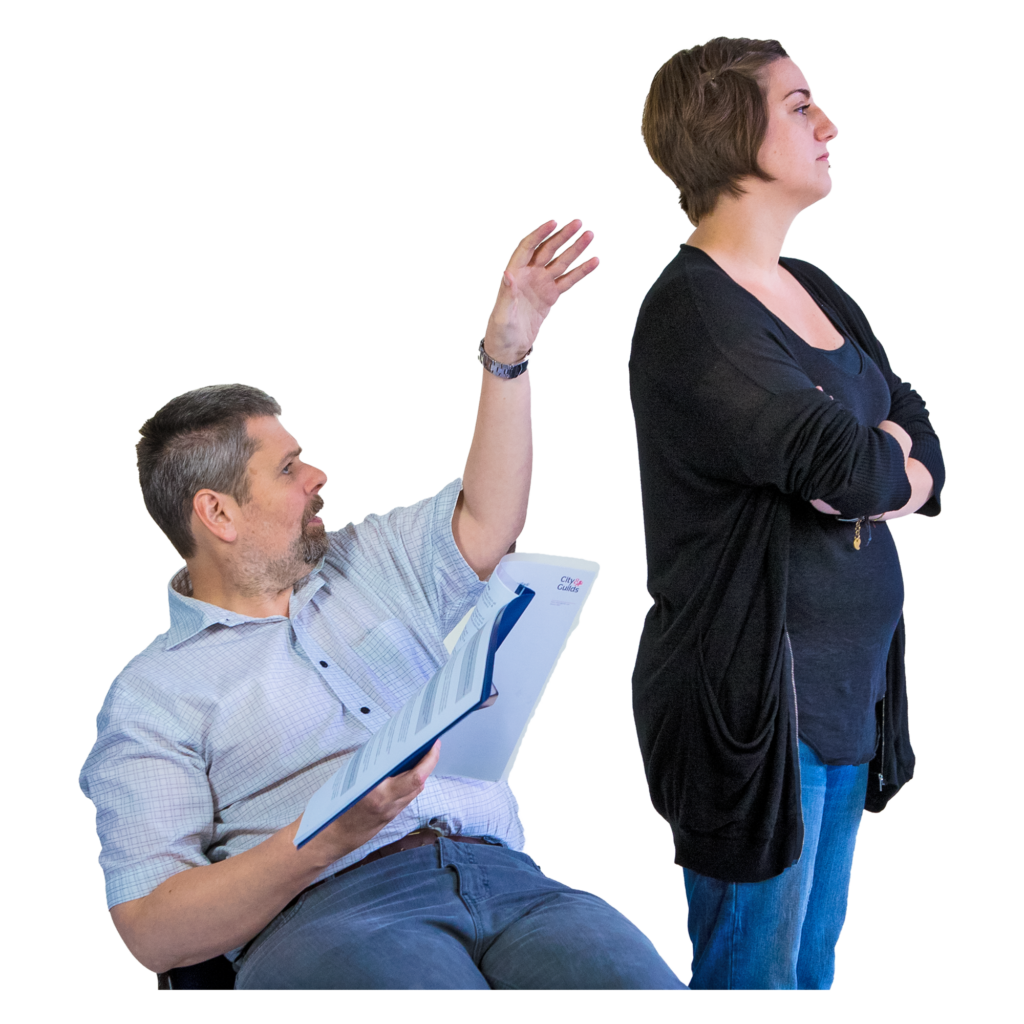
- take advantage of us
- speak over us
- speak for us

- speak to our support person instead of us
- tell our story for us

- do not listen to us
- overpower us
- misunderstand us
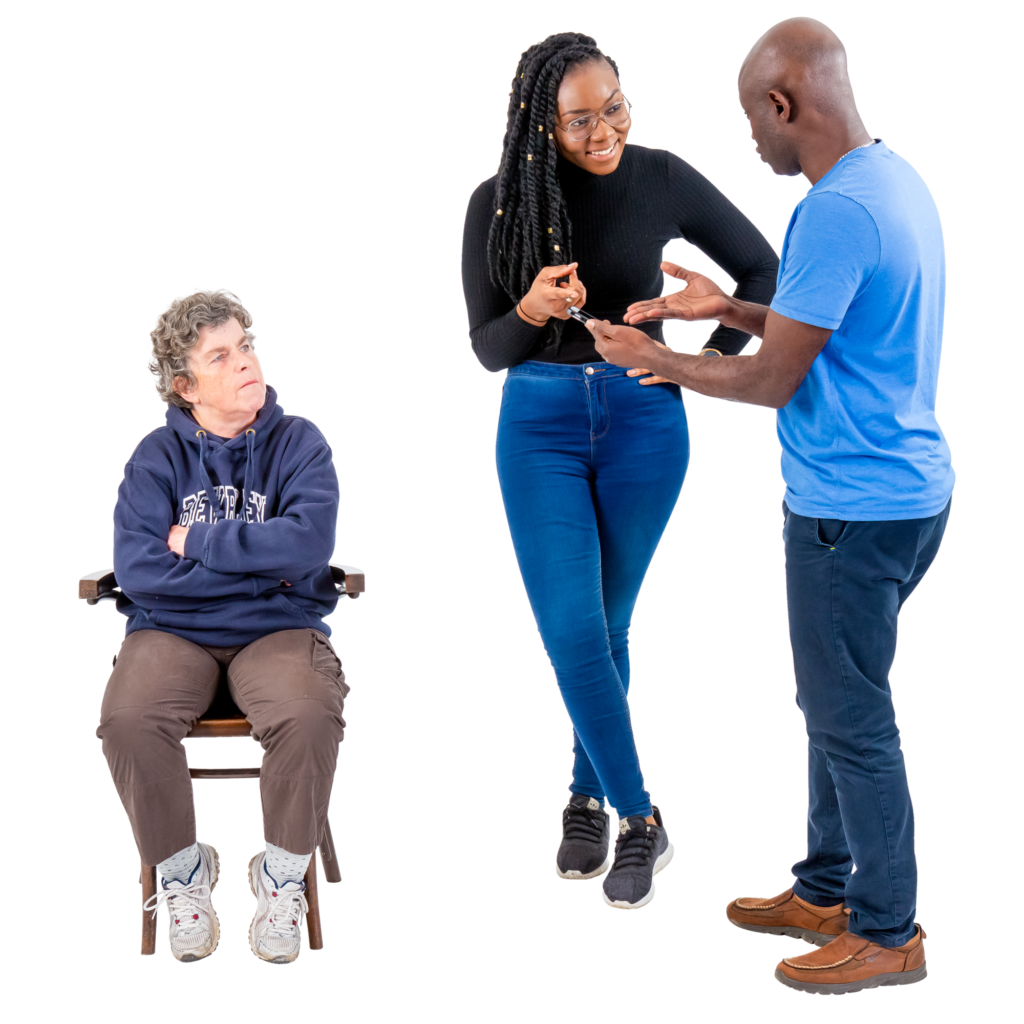
And sometimes people
- limit us
- make choices for us
- make decisions for us
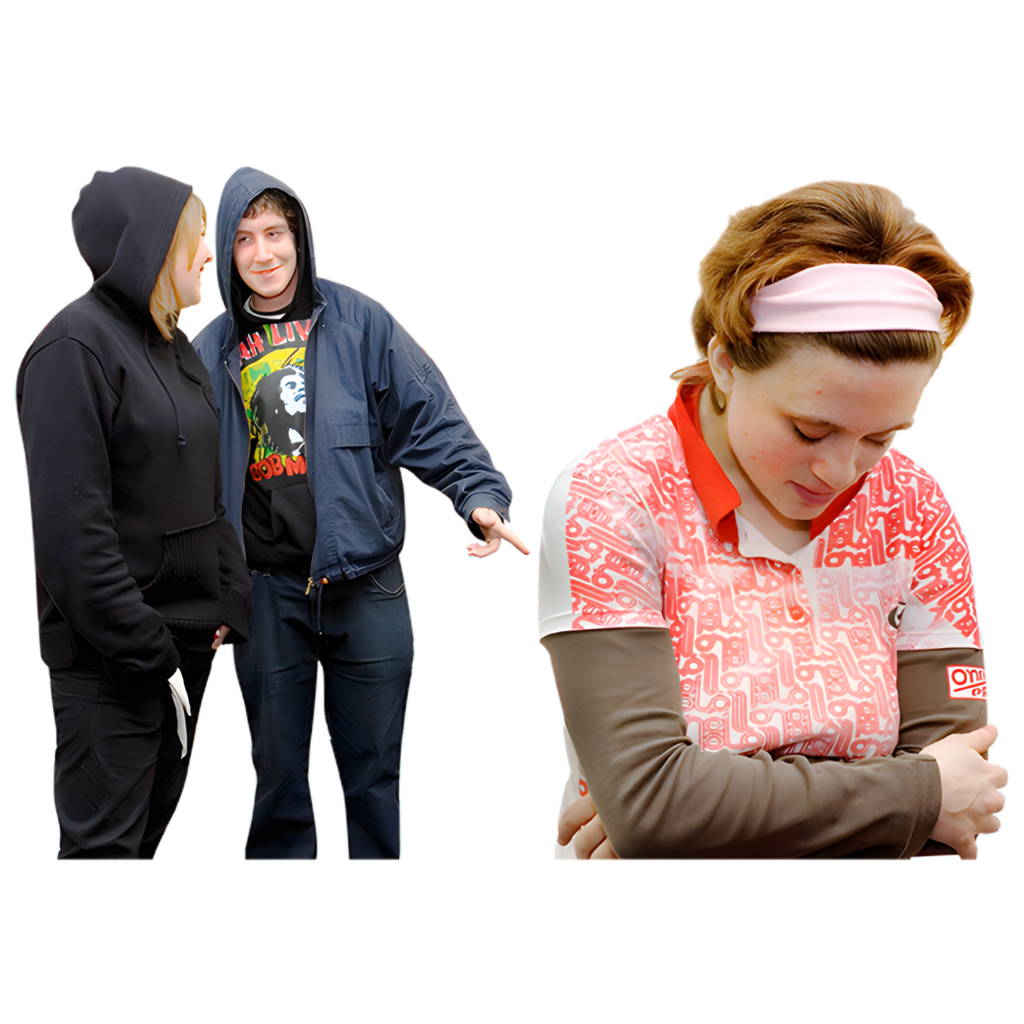
People can also make us feel
- less
- broken
- not wanted
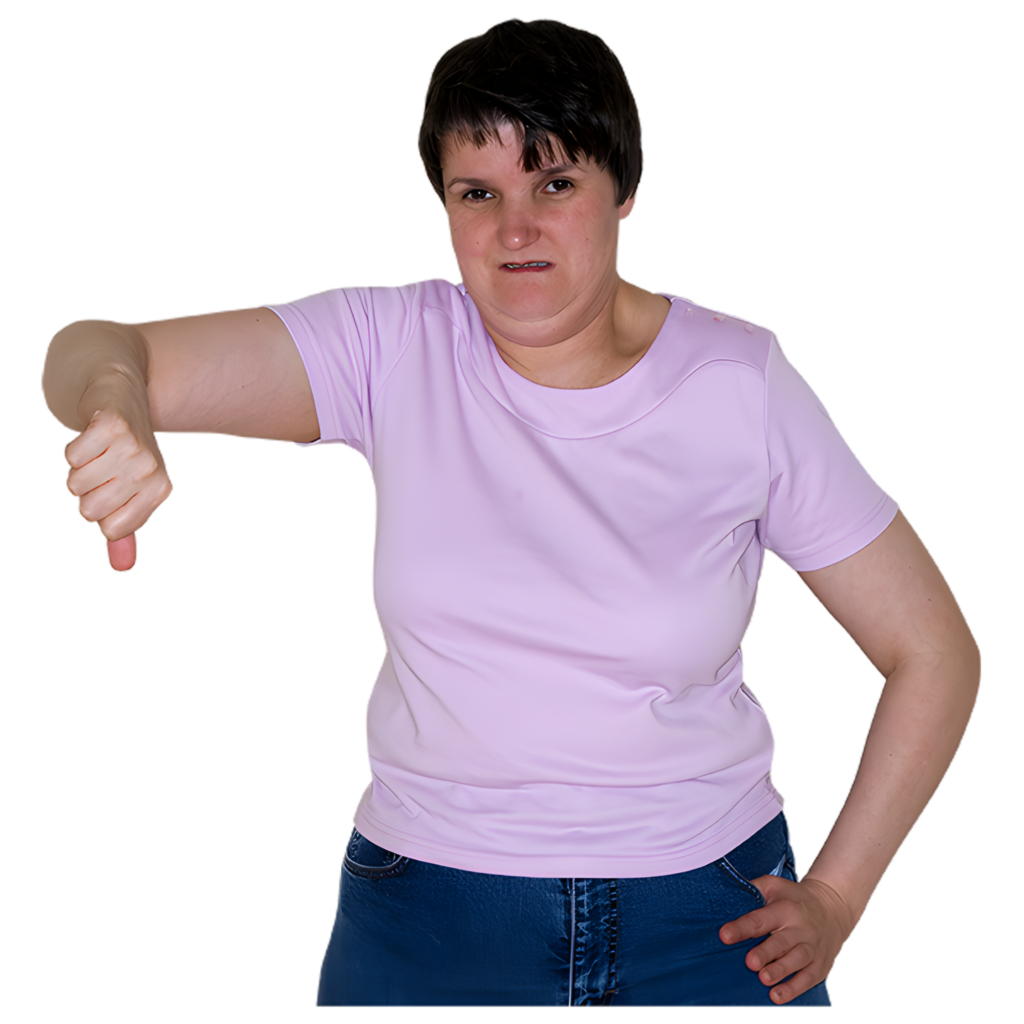
- like we are invisble
- like we are not equal
- our needs do not matter
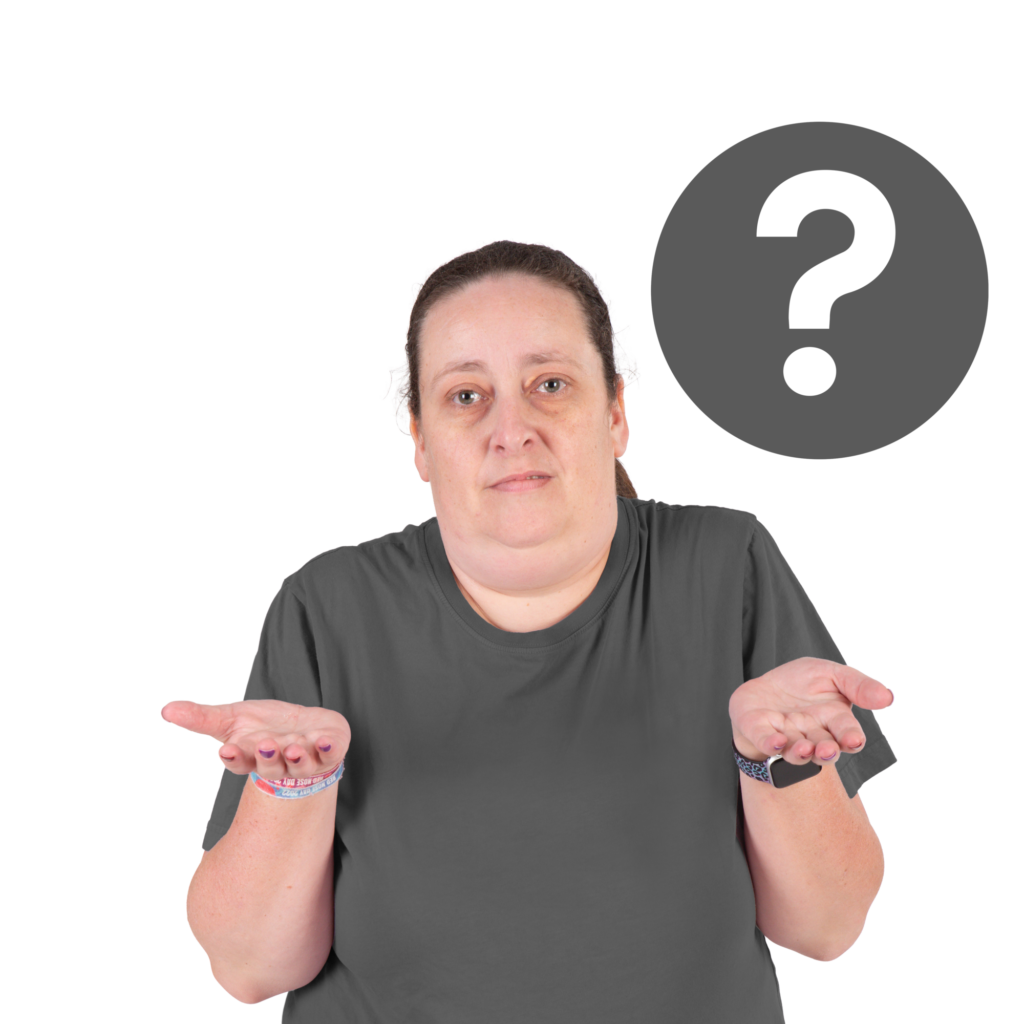
As a result we
- do not believe in ourselves
- feel we must say “yes” all the time

- do not fit into society
- stop trying to reach our goals
- limit ourselves by what others think of us
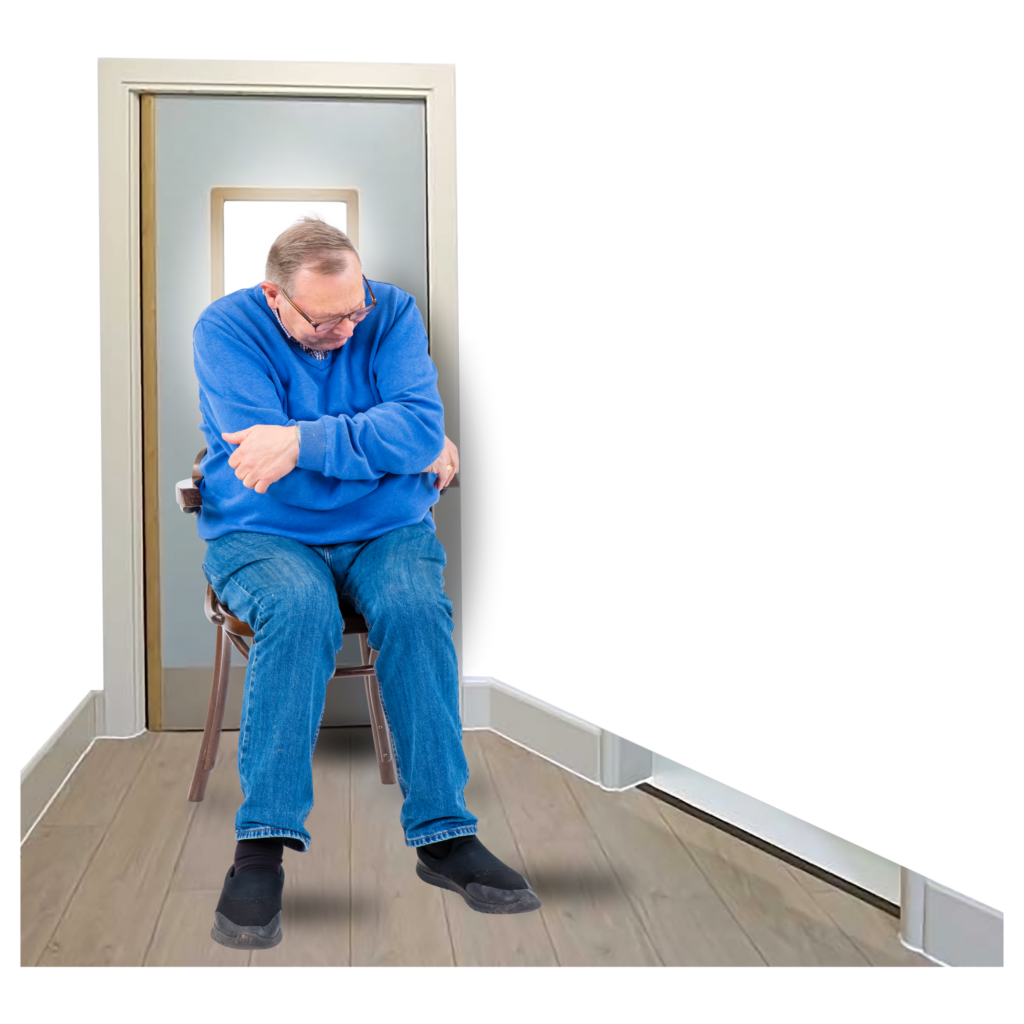
- burn out trying to change ourselves
- lose understanding of who we think we are
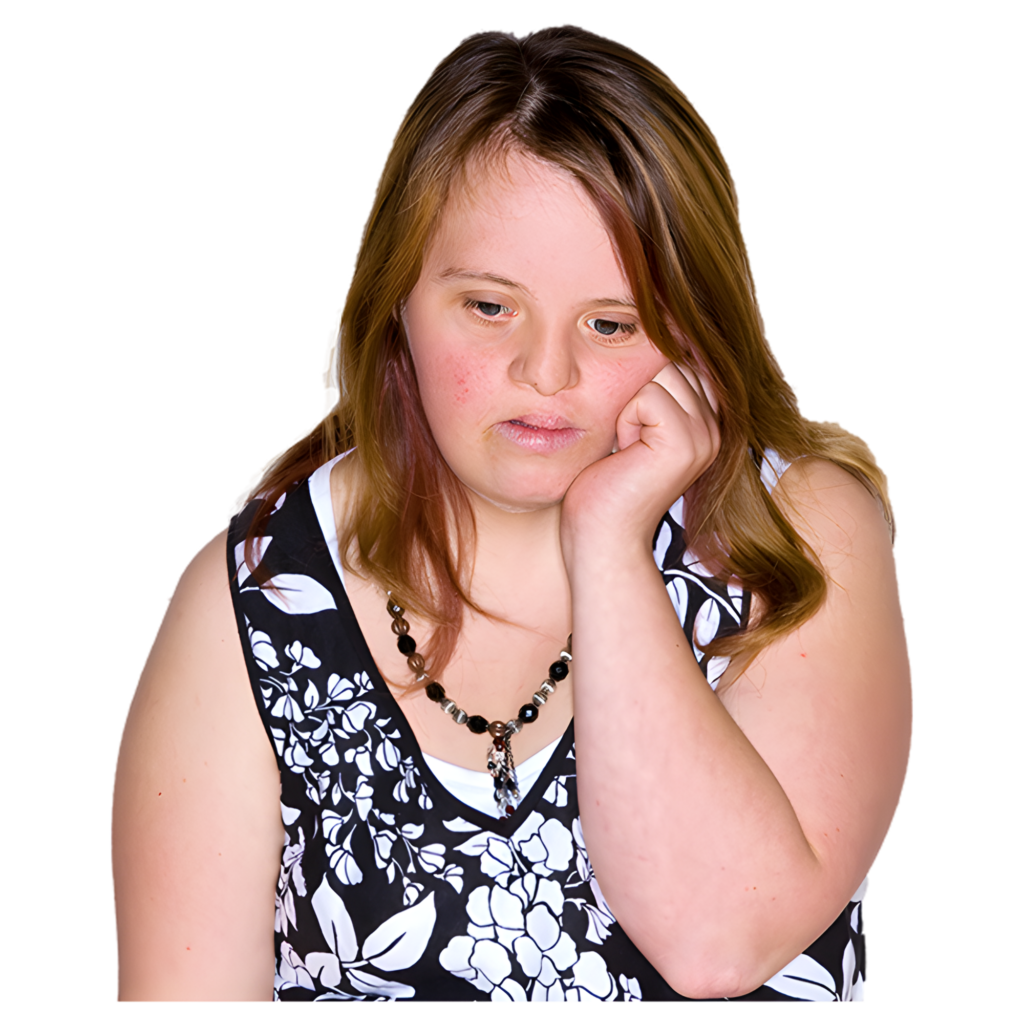
- lack confidence in ourselves
- do not have hope for the future
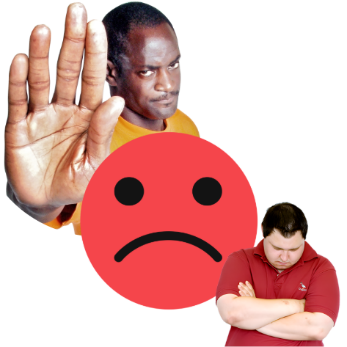
We are at greater risk of mental health issues
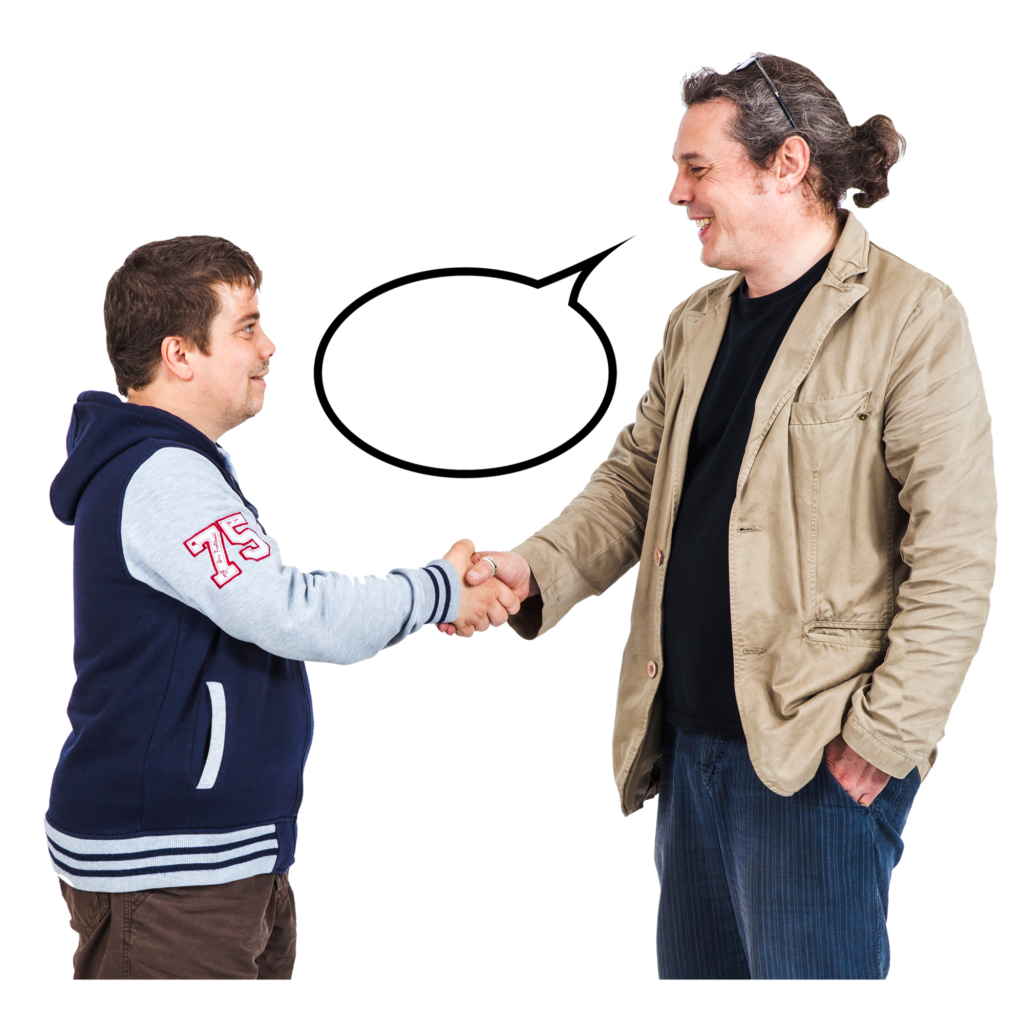
We often trust too much
- when it comes to relationships and scams

We often trust people who have more power
- health care workers
- teachers and other education staff
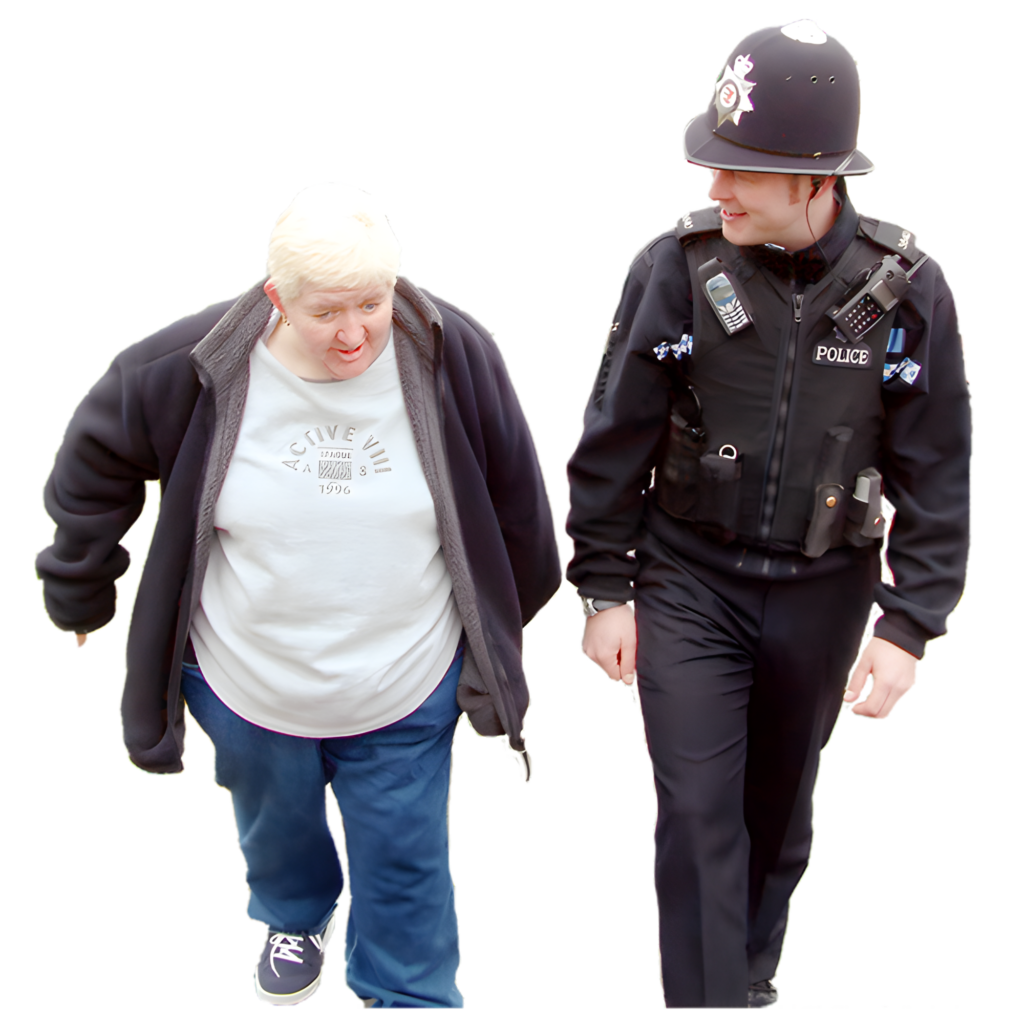
- bosses
- police
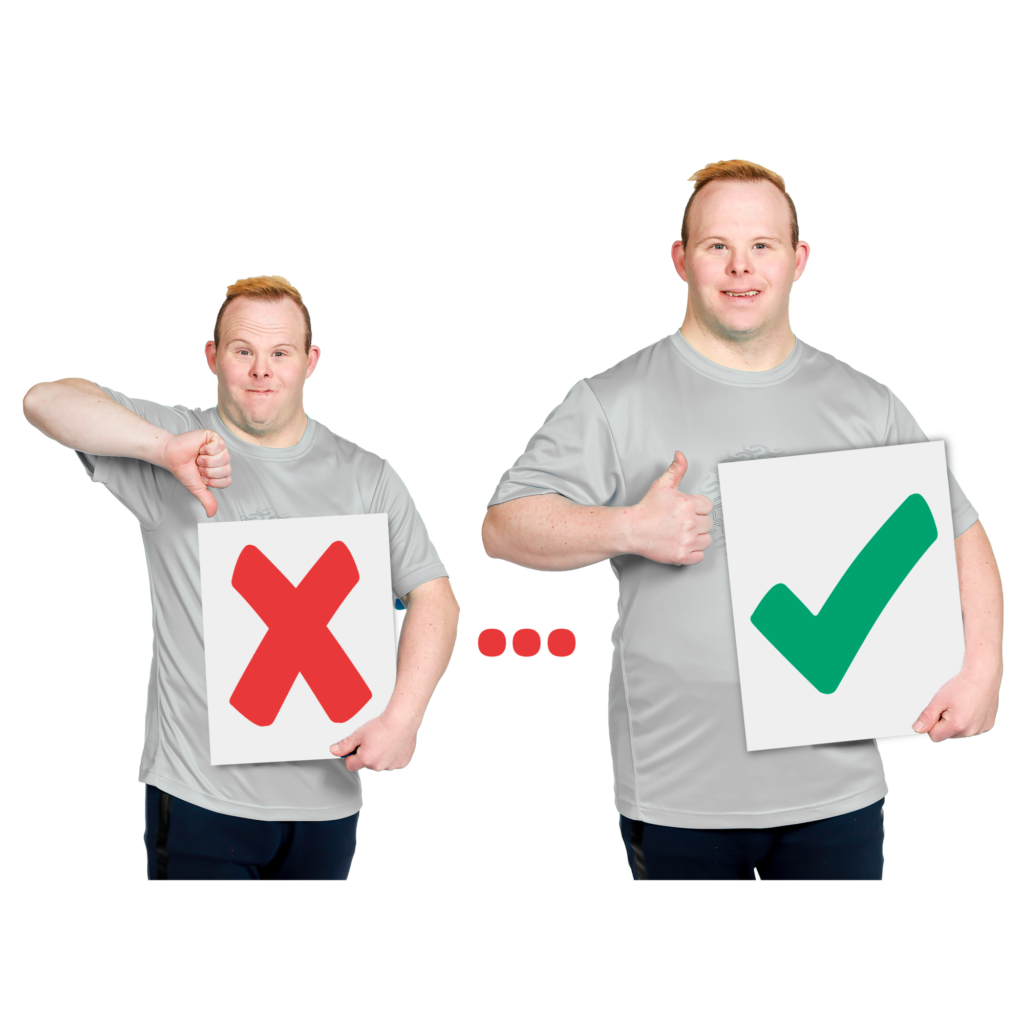
We need this to change
It is not us who need to change
It is the society who needs to change.
Who made this booklet
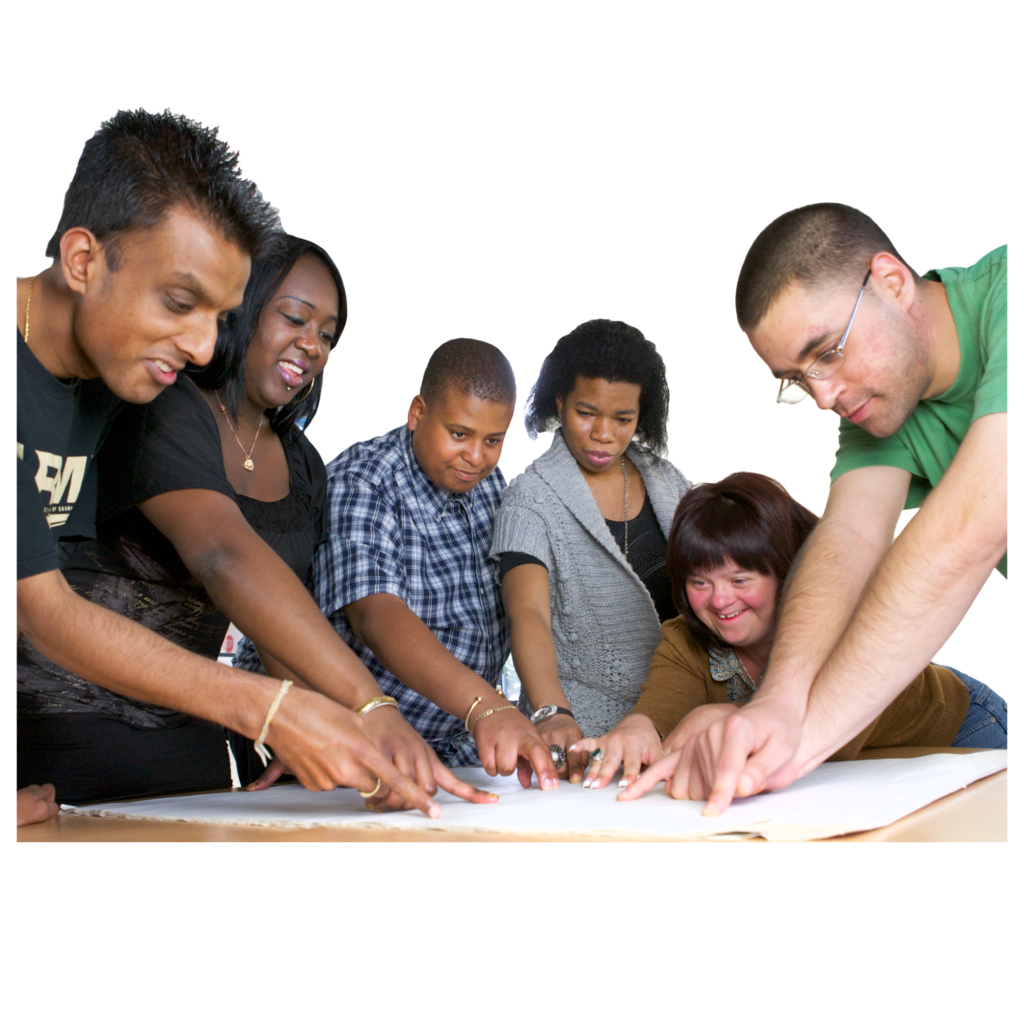
People with intellectual disability made this booklet
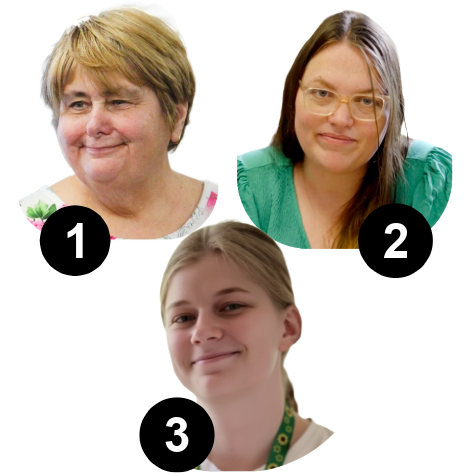
1. Julie Loblinzk Refalo OAM
2. Skie Sarfaraz
3. Sam Hurd
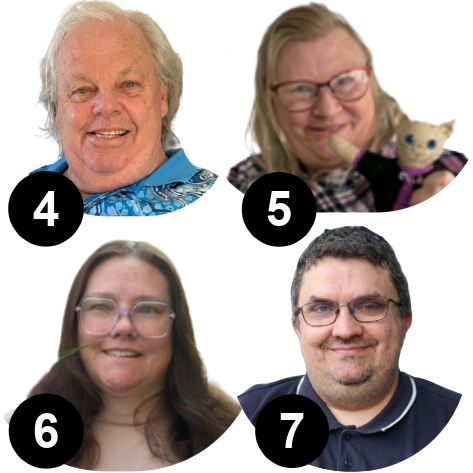
4. Mark Podmenik
5. Maxine Podmenik
6. Tammy Carlon
7. Luke Wheatley
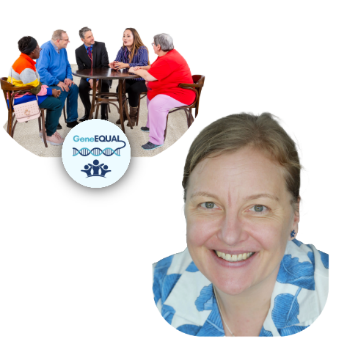
Together with Iva Strnadová and the GeneEQUAL team.
GeneEQUAL is a program to support people with intellectual disability
- get better health care
You can download our booklet here